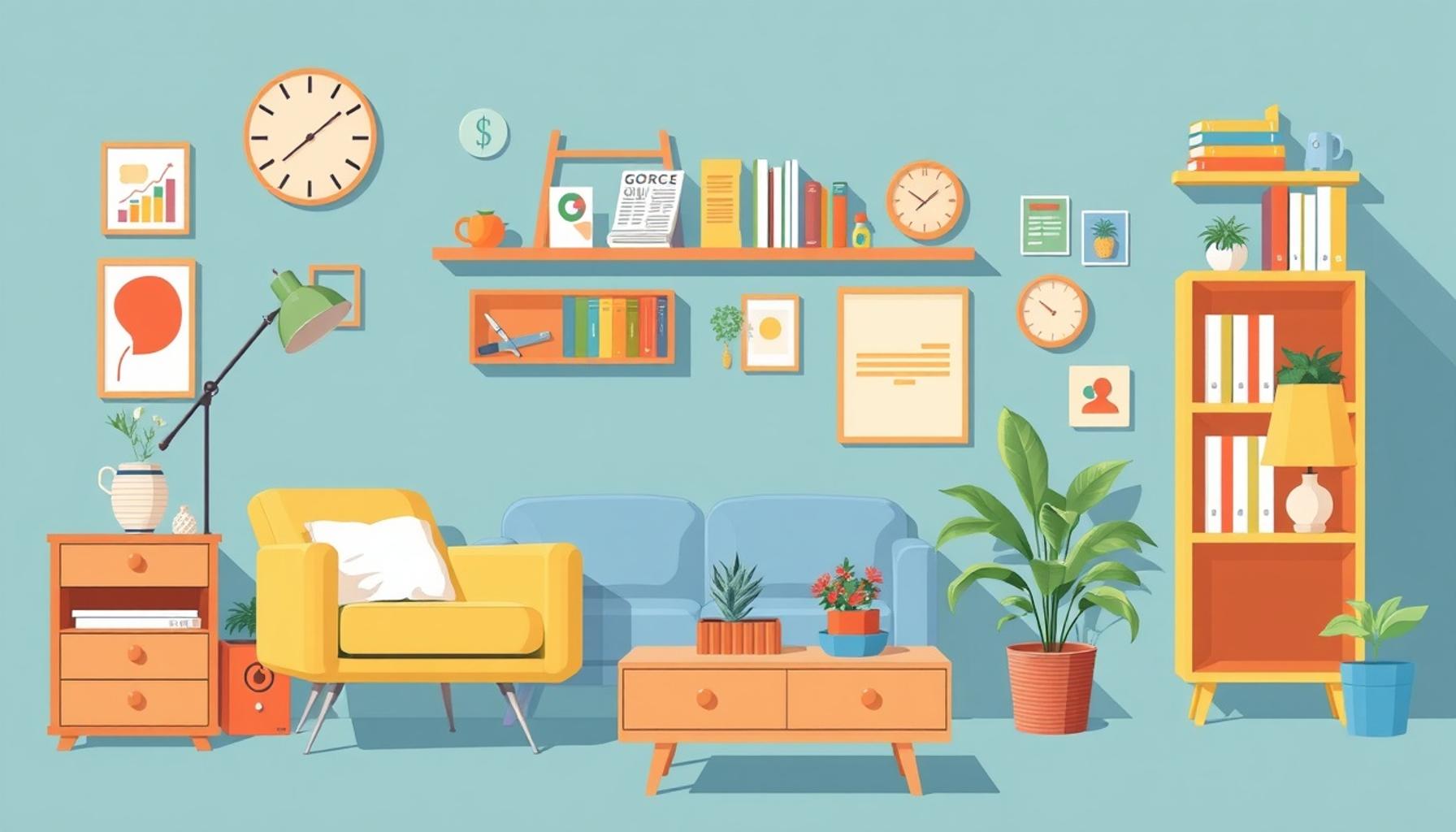
Visual Organization: Space Optimization Tips for Creating a Minimalist and Aesthetically Pleasing Environment

The Impact of Clutter on Daily Life
In today’s fast-paced world, a cluttered environment can significantly contribute to feelings of stress and distraction. Research indicates that messy spaces invoke anxiety, making it challenging to focus and be productive. Thus, discovering how to enhance your surroundings through visual organization can lead to a more balanced and aesthetically pleasing life. Implementing minimalism in your home or workspace not only simplifies your environment but profoundly impacts your mental well-being.
Reasons to Embrace Minimalism
- Improved Focus: A tidy space fosters concentration. Studies have shown that cluttered environments can overwhelm the brain, making it hard to filter out distractions. A well-organized room can diminish anxiety and promote a mindset conducive to high productivity.
- Aesthetic Appeal: Minimalistic designs emphasize simplicity and calmness. For example, a room painted in soothing, neutral colors with fewer decorative items can create a serene atmosphere that feels inviting and refreshing.
- Efficiency: Optimizing your space allows for easier navigation, saving valuable time. Rather than sifting through piles of belongings, a well-organized area enhances the flow of daily activities, such as finding important papers or kitchen utensils quickly.
Space Optimization Techniques
Creating a minimalist environment involves strategic choices about what to keep and what to eliminate. Here are some techniques that can transform your home or office into a haven of tranquility:
- Decluttering: Start by identifying items that no longer serve a purpose. Adopt the ‘one in, one out’ rule, which helps prevent accumulating what you don’t need. Consider donating or recycling unwanted items to streamline your space.
- Functional Furnishings: Selecting multi-use furniture can drastically maximize usability. For instance, using a coffee table that doubles as storage can keep your living space organized while still offering functionality.
- Thoughtful Decoration: Use only a few carefully selected pieces that add value, such as artwork or family photos, rather than overcrowding the walls. This can create a more open feeling and prevent overwhelming the senses.
The Holistic Benefits of Minimalism
As you delve into these organization tips, consider how a well-curated area reflects your personal values and lifestyle choices. By embracing minimalism, you not only influence your immediate environment but can also foster greater mental clarity and well-being. A simplified life encourages mindfulness, allowing individuals to focus on what truly matters. In America, where the hustle and bustle can often lead to disorganization, adopting these strategies offers a reprieve from chaos—an invitation to breathe in the simplicity and beauty of a well-ordered life. Take a step towards minimalism, and discover how it can transform your daily experiences, making them not just manageable, but truly enjoyable.
DISCOVER MORE: Click here for expert tips on maximizing small spaces
Essential Steps for Transforming Your Space
Adopting a minimalist approach to space organization goes beyond simply removing excess items. It requires a thoughtful strategy that prioritizes functionality, aesthetics, and serenity. By implementing the right techniques, you can create an environment that not only looks good but also significantly enhances your daily living experience. Here are some essential steps to guide your journey towards a beautifully organized and minimalist space:
Start with a Vision
Before you dive into decluttering, take a moment to visualize how you want your space to look and feel. This overarching vision will serve as a guiding light for your organization efforts. Consider qualities such as open space, color schemes, and the overall atmosphere you wish to promote. Engaging in this reflective process can help you make clear decisions about what to keep and what to let go. Documenting your vision, whether through sketches or mood boards, can also provide motivation and clarity throughout the decluttering process.
Implement the 80/20 Rule
An important principle in achieving effective visual organization is the Pareto principle, or the 80/20 rule. This concept suggests that 80% of your results come from 20% of your efforts. Applied to your space, this means that you likely use only a fraction of your possessions regularly. Begin by identifying the items that fulfill your daily needs and bring you joy. Focus on displaying and keeping these treasured items while eliminating the rest—this targeted approach can help you create a more intentional and visually pleasing environment.
- Prioritize Functionality: When organizing, place items you frequently use within easy reach. For instance, in the kitchen, keep essential utensils and cookware near the stovetop to simplify meal preparation.
- Designate Zones: Arrange your space into functional zones. For example, create a dedicated reading area with a comfortable chair and shelving for books. This not only fuels productivity but also offers rest areas for mental relaxation.
- Utilize Vertical Space: When floor space is limited, think upwards. Wall-mounted shelves can display books, plants, and decorative items without cluttering surfaces.
Invest in Quality Over Quantity
In the quest for minimalism, consider choosing high-quality, timeless pieces that resonate with your style. Whether it’s furniture or decor, investing in fewer but better items can make a more significant impact than filling your space with cheaper, mass-produced goods. This philosophy not only reduces clutter but also enhances the aesthetic quality of your environment. Build a collection of items that invoke joy and inspire creativity, making your space a true reflection of your personality.
As you integrate these principles into your approach to visual organization, you will begin to notice an evolution in your living or working space. The process of decluttering, strategizing, and investing thoughtfully leads to a more harmonious atmosphere—one where peace and creativity can flourish. Embracing these simple yet dynamic techniques is the first step towards a minimalist environment that captures the essence of beauty and order.
| Space Optimization Techniques | Key Benefits |
|---|---|
| Decluttering & Minimalism | Promotes relaxation and productivity by removing unnecessary distractions. |
| Functional Furniture | Maximizes available space while maintaining aesthetics, creating a visually pleasing environment. |
Visual organization is paramount in achieving a minimalist and aesthetically pleasing atmosphere. To start, decluttering your surroundings not only enhances the overall appearance of a space but also fosters a sense of peace and increases productivity. Items that no longer serve a purpose should be repurposed, donated, or recycled, facilitating a breath of fresh air into your home or workspace.In addition, investing in functional furniture can amplify both efficiency and elegance within interiors. For instance, selecting pieces that offer dual purposes – like a coffee table that doubles as storage – not only optimizes space but also reduces visual chaos. This creates a seamless blend of usability and beauty, formulating an environment that invites harmony and aesthetic appeal.As you navigate the realm of visual organization, consider how each decision you make can lead toward not just a tidy environment but a sanctuary for both mind and spirit.
DISCOVER MORE: Click here to enhance your space
Enhancing Functionality Through Thoughtful Arrangement
Creating a minimalist and aesthetically pleasing environment is not solely dependent on eliminating clutter; how you arrange the items you keep plays a crucial role. The way in which you organize your space can enhance not just its appearance, but also its functionality. Here are several strategies to effectively optimize your space while maintaining a visual appeal:
Choose a Color Palette
Color schemes are fundamental in establishing the overall mood and harmony of a space. A cohesive color palette can transform an area from chaotic to serene. Consider opting for neutral tones such as whites, grays, and soft earth hues that evoke calmness and elegance. Accent these with occasional pops of color, such as deep greens or navy blues, through decorative elements like pillows or artwork. This visual organization approach allows you to maintain a clean look while infusing personality into your space. Additionally, studies have shown that color psychology plays a significant role in enhancing mood and productivity, making your environment not only beautiful but also supportive of your well-being.
Incorporate Multi-Functional Furniture
Investing in multi-functional furniture is a smart financial decision that also contributes to space optimization. Consider pieces such as ottomans that open for storage, coffee tables that can elevate for dining, or foldable desks that can be tucked away when not in use. These designs not only minimize clutter but also allow your space to adapt easily to different needs throughout your day. In fact, the rise of small living spaces, particularly in urban areas, has spurred designers to craft innovative solutions that maximize utility without sacrificing style. By selecting adaptable furniture, you encourage a flexible lifestyle that aligns with the core principles of minimalism.
Create Visual Anchors
Visual anchors are focal points within a room that draw the eye and help to ground a space. Furniture arrangements, large art pieces, or statement plants can serve as anchors, adding depth and distinction to your decor. For instance, in a living room, you might use a large canvas painting or a bookshelf as your focal point, directing attention away from less aesthetically pleasing aspects of the room. This technique minimizes visual clutter by giving the eye a designated point to rest on, making the overall environment more pleasing and organized.
Adopt the “One In, One Out” Philosophy
To maintain your minimalist space, consider adopting the “one in, one out” philosophy. This means that for every new item you bring into your home, you must let go of one existing item. This practice not only curbs over-accumulation but also encourages thoughtful consumption. It forces you to evaluate the purpose and value of each item you own. By adhering to this principle, you create a streamlined and intentional living environment that feels inherently organized and uncluttered.
- Establish Maintenance Routines: Regularly scheduled maintenance can keep your space in optimal condition, allowing you to reevaluate belongings before they become overwhelming.
- Embrace Natural Light: Use curtains or blinds that let in maximum natural light to create an airy atmosphere. Incorporating mirrors can also reflect light, enhancing the feeling of openness and making your space appear larger.
- Limit Decorative Accessories: Select a few meaningful decorative items that complement your chosen color scheme and style. Lesser accessories can prevent your space from feeling cluttered and overwhelming.
By strategically enhancing functionality and visual appeal through thoughtful arrangement, color choices, and sustainable habits, you lay the groundwork for a minimalist environment that encapsulates beauty and order. The synergy of these organizational strategies results in a space that not only looks extraordinary but feels refreshing to inhabit.
DISCOVER MORE: Click here for expert tips on organizing your space
Conclusion: Embracing Minimalism for a Harmonious Space
In a world that often feels cluttered and chaotic, embracing the principles of visual organization becomes essential for creating a serene and aesthetically pleasing environment. By focusing on thoughtful arrangement, color selection, and the use of multi-functional furniture, you can significantly enhance both the functionality and visual appeal of your space. The strategies discussed not only facilitate a well-organized atmosphere but also encourage a sense of calm and clarity, making your home a sanctuary of simplicity.
Moreover, the adoption of mindful practices, such as the “one in, one out” philosophy and regular maintenance routines, reinforces a sustainable approach to living minimally. With each intentional choice—from the colors that envelop your walls to the accessories that adorn your shelves—you invite an aesthetic that not only mirrors your personality but also fosters well-being. Natural light and thoughtfully chosen focal points contribute to a refreshing ambiance that captivates and inspires.
As you embark on your journey towards a more minimalist lifestyle, remember that less truly can be more. Engage with your environment by selecting items that resonate with you and serve a purpose, ensuring that each piece plays a role in crafting your ideal living space. With these space optimization tips, step into the clarity of an organized home that offers both beauty and functionality, encouraging you to live your best life.

Beatriz
Beatriz Johnson is a seasoned financial analyst and writer with a passion for simplifying the complexities of economics and finance. With over a decade of experience in the industry, she specializes in topics like personal finance, investment strategies, and global economic trends. Through her work on our website, Beatriz empowers readers to make informed financial decisions and stay ahead in the ever-changing economic landscape.