Family Minimalist Lifestyle: Space Optimization Strategies for Organizing Toys and Common Areas
The Benefits of Adopting a Minimalist Family Lifestyle
In an era where consumerism often reigns supreme, families can find liberation by embracing a family minimalist lifestyle. This approach not only reduces clutter but also offers a sense of control and peace that many families inadvertently crave. The process of managing possessions, especially toys and everyday items, can become overwhelming, leading to frustration and stress within the home environment.
Decluttering is the cornerstone of minimalism. Families can start by organizing regular decluttering sessions—perhaps during spring cleaning or after major holidays when toys and gifts are abundant. The aim should be to evaluate each item’s utility and emotional value. Consider the “one in, one out” rule: for every new toy or item brought into the home, another should be donated or discarded. This not only helps in maintaining a balanced inventory but also encourages children to appreciate their belongings, making them more intentional about their choices.
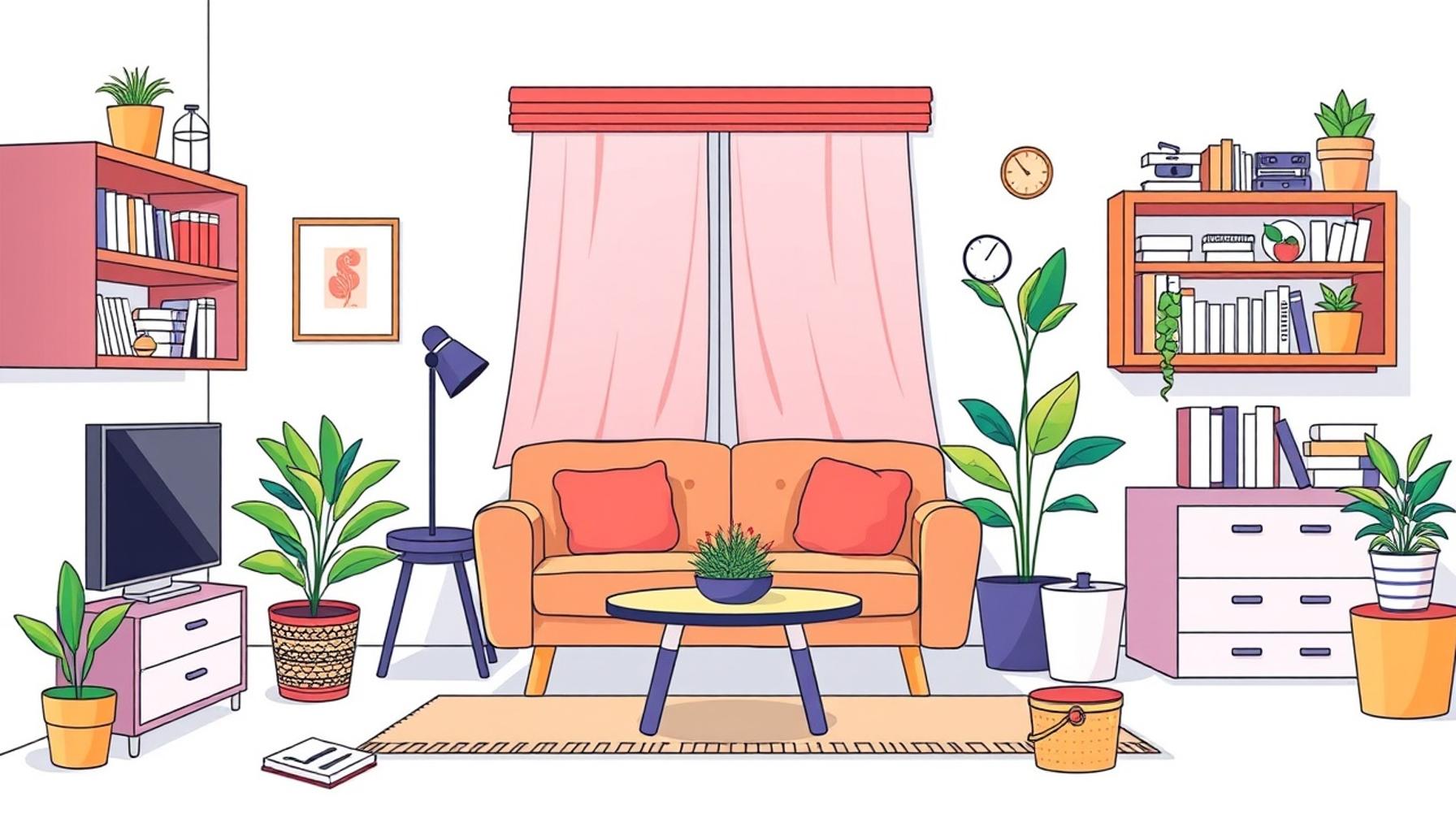
Another vital aspect of minimalism is implementing creative storage solutions. In the United States, where homes often come with limited square footage, using multifunctional furniture can maximize space. For instance, opting for a sofa that doubles as a bed or a coffee table with storage can significantly enhance a family’s living area. Additionally, utilizing vertical storage with shelves can free up floor space, making rooms feel more expansive and organized. Consider investing in decorative baskets that can hold toys and blankets, effectively blending functionality with aesthetics.
Establishing defined zones within the home is equally crucial. By creating specific areas for play, relaxation, and work, families can foster a sense of order. Designating spots for children’s activities, such as a reading nook or crafting corner, encourages them to keep the clutter contained. Adults can also benefit from this structure—having a designated work-from-home area can enhance productivity while preventing the spread of work into personal spaces.
Transitioning towards a minimalist lifestyle is more than just an organizational tactic; it signifies a shift in mindset. By prioritizing experiences over possessions, families can cultivate deeper connections with one another. For instance, rather than accumulating toys, parents might choose to invest in activities like family game nights or outings to local parks. This shift not only minimizes material burden but also enriches family dynamics.
As you embark on this journey, remember that the pursuit of minimalism is personal and should align with your family’s unique needs and values. The freedom that comes from a simplified lifestyle can lead to greater mindfulness, lower stress levels, and a more harmonious home where everyone thrives.
Effective Strategies for Decluttering and Organizing
To establish a family minimalist lifestyle, it is essential to adopt effective strategies for decluttering and organizing, particularly when it comes to toys and common areas. With children, it’s easy for playtime items to accumulate and dominate living spaces. However, with intentional planning, families can create environments that embody simplicity and functionality.
To start, families should consider implementing a systematic approach to toy organization. Here are some practical steps to get started:
- Inventory Assessment: Take stock of all toys and categorize them based on age, type, and frequency of use. This ensures that only the most valuable items remain in the home.
- Toy Rotation: Instead of overwhelming children with all their toys at once, rotate them. This method keeps playtime fresh and exciting while minimizing clutter, making it easier for kids to maintain their interest in their belongings.
- Condensed Storage Solutions: Invest in transparent bins or labeled containers that can store toys logically and practically. Having a designated area in the living room or playroom for these containers can help children learn responsibility in managing their belongings.
- Encourage Participation: Involve children in the decluttering process. Ask them to help decide which toys they love and want to keep, creating a sense of ownership and responsibility.
Transitioning to a minimalist approach offers several advantages in organizing common areas as well. Families often use shared spaces for multiple activities, so incorporating a few simple strategies can make a world of difference:
Designate Specific Areas: Common areas should serve distinct functions. For instance, create a cozy corner for reading, a designated area for playing games, and a clear workspace for family projects. This designation not only streamlines organization but also teaches children to respect shared spaces.
Furniture Arrangement: The layout of furniture plays a crucial role in optimizing space. By arranging seating to facilitate conversation and interaction while keeping walkways open, families can ensure a more inviting atmosphere. Consider using ottomans and benches that can double as storage to keep frequently used items nearby but neatly tucked away.
Create a Routine: Establishing a cleaning and organization routine will help maintain the minimalist lifestyle. For example, setting aside 10-15 minutes each day for quick tidying can prevent mess accumulation and foster a sense of collective responsibility among family members.
Ultimately, the journey toward a minimalist family lifestyle is about creating a home environment that reflects your family’s values while promoting tranquility and joy. As you adopt these space optimization strategies, you will discover the profound impact of a simplified living space on your family’s overall well-being.
| Category 1 | Category 2 |
|---|---|
| Space-Saving Furniture | Transformable pieces like ottomans or coffee tables with storage |
| Organizational Tools | Baskets, bins, and labeling systems to minimize clutter |
Maximizing space within your home is a fundamental component of a Family Minimalist Lifestyle. One effective area to focus on is the use of space-saving furniture. Incorporating transformable pieces, such as ottomans and coffee tables with built-in storage, can reduce visible clutter while providing practicality for families. These multifunctional items not only add aesthetic value to common areas but also promote organized play zones for children, facilitating easy clean-up.Moreover, effective use of organizational tools further enhances space optimization strategies. Baskets, bins, and an efficient labeling system can create designated spots for toys and other items, ensuring they are easily accessible yet neatly stored away. This approach not only teaches children responsibility and organization skills but also contributes to a serene living environment. As families adapt to these principles, they can cultivate a home that reflects their values while nurturing a lifestyle that prioritizes function and harmony. These innovative strategies invite you to explore further and discover how your family’s common areas can transform into organized, livable spaces.
Maximizing Aesthetics and Functionality
Beyond just practicality, a family minimalist lifestyle can enhance the aesthetic and emotional environment of your home. Creating spaces that are not only organized but also inviting is critical for family cohesiveness. Understanding how to optimize both aesthetics and functionality in common areas and toy organization can help solidify this lifestyle.
Embrace Multi-Functional Furniture: As families often seek to maximize their space, investing in versatile furniture is a game changer. Consider adopting furniture pieces that serve multiple roles, such as a coffee table that doubles as a storage unit for books and games, or a sofa with hidden compartments. For children, select items like bean bags that are lightweight for easy movement and can also serve as decorative accents when not in use. A well-chosen piece can reduce clutter while adding character to the room.
Utilize Vertical Space: Many homes have walls that can be utilized for storage without sacrificing floor space. Wall shelves, hanging organizers, or hooks can be ideal for displaying toys, books, or art supplies. This vertical orientation not only declutters surfaces but creates visual interest and encourages children to engage with their items. Moreover, using clear containers or labeled boxes can transform a simple shelf into an organized visual library, making it easier for kids to find what they need and put things back in place.
Incorporate Baskets and Bins: Using stylish baskets can significantly enhance the appearance of any room while functioning as practical storage solutions. Choose materials and colors that match the decor of your common areas. By placing baskets in easily accessible spots, families can encourage kids to clean up with ease. For instance, grouping similar items into labeled baskets—like “games,” “crafts,” or “reading materials”—can maintain order without overwhelming children with choices or mess.
Mindful Decor: To reinforce the minimalist concept, consider the principles of mindful decor. Select a few carefully curated pieces of art or family photos that evoke joy rather than overwhelming your walls with clutter. Encourage children to showcase their artwork in a dedicated area which allows them to take pride in their creativity while keeping the home feeling fresh. This approach fosters appreciation for what is displayed and cements the idea that less can indeed be more.
Seasonal Decorations: To further maintain a minimalist aesthetic, families can rotate seasonal decorations. Instead of cluttering surfaces year-round, choose a few elements that reflect the changing seasons or holidays and store the rest. This not only keeps your space fresh but also teaches children the concept of temporariness and helps create anticipation for traditional seasonal activities.
Establish “Quiet Zones”: Not all zones require the same level of energy and activity. Families can create “quiet zones” in common areas—dedicated spots that foster relaxation or focused activities, such as reading or homework. By utilizing soft lighting, plush seating, or calming colors, these spaces encourage mindfulness and provide a respite from the chaos often associated with family life.
As families navigate the minimalist lifestyle, these strategies for enhancing aesthetics alongside functionality can lead to an inspiring environment that promotes happiness and harmony. Embracing these space optimization techniques creates a living space that not only reflects family values but also nurtures growth and well-being.
Conclusion
Adopting a family minimalist lifestyle not only enhances your home’s organization but also positively impacts the emotional health and cohesion of family members. Through carefully selected space optimization strategies—ranging from embracing multi-functional furniture to effectively utilizing vertical space—you can create a harmonious living environment that fosters creativity and reduces clutter.
By incorporating baskets and bins, establishing mindful decor, and rotating seasonal decorations, you invite a sense of freshness and order into your common areas. Furthermore, the creation of “quiet zones” can provide sanctuaries for relaxation amidst an otherwise energetic family atmosphere. These techniques not only maintain organization but also teach children valuable lessons about responsibility and appreciation for their environment.
Ultimately, the quest for minimalism is more than just about physical space; it is about nurturing a lifestyle that cherishes intentionality and simplicity. By leveraging these space optimization strategies, families can redefine their living areas, thus promoting not only a functional aesthetic but also messages of mindfulness and togetherness. Investigating and implementing these approaches can evolve your home from merely a living space into a sanctuary that supports family bonds and personal growth. Explore these ideas and see how minimalism can transform your family’s everyday life for the better.

Beatriz
Beatriz Johnson is a seasoned financial analyst and writer with a passion for simplifying the complexities of economics and finance. With over a decade of experience in the industry, she specializes in topics like personal finance, investment strategies, and global economic trends. Through her work on our website, Beatriz empowers readers to make informed financial decisions and stay ahead in the ever-changing economic landscape.