Relaxation Spaces: Creating Minimalist Environments that Promote Calm and Mental Clarity through Space Optimization
The Importance of Creating Relaxation Spaces
In the modern landscape heavily influenced by the relentless pace of life, creating relaxation spaces has become an essential undertaking for anyone seeking balance and clarity. With the constant demands from work, social commitments, and other responsibilities, the tendency is to overlook the necessity for personal sanctuaries. Minimalist environments play a pivotal role in alleviating clutter, thereby nurturing our mental well-being. By employing simple strategies, you can convert your living spaces into genuine havens of peace and tranquility.
Why Embrace Minimalism?
At its core, minimalism is about harnessing the art of simplicity while simultaneously promoting a sense of calm. The principle encourages individuals to let go of the unnecessary, creating room for focus on what truly matters in life. The advantages of adopting a minimalist approach are widespread and impactful:
- Reduced Stress: A decluttered environment has been shown to lower anxiety levels significantly. Studies indicate that people living in such spaces experience less daily stress, contributing to overall psychological well-being.
- Enhanced Focus: When distractions are minimized, concentration improves. This is particularly beneficial in home offices or study areas, where the goal is productivity.
- Improved Aesthetics: Simple, clean designs evoke feelings of tranquility and peace. For example, Scandinavian design principles showcase how simplicity can be both functional and beautiful, enhancing the comfort of any room.
Strategies for Crafting Relaxation Spaces
To truly maximize the advantages of relaxation spaces, consider implementing the following strategies:
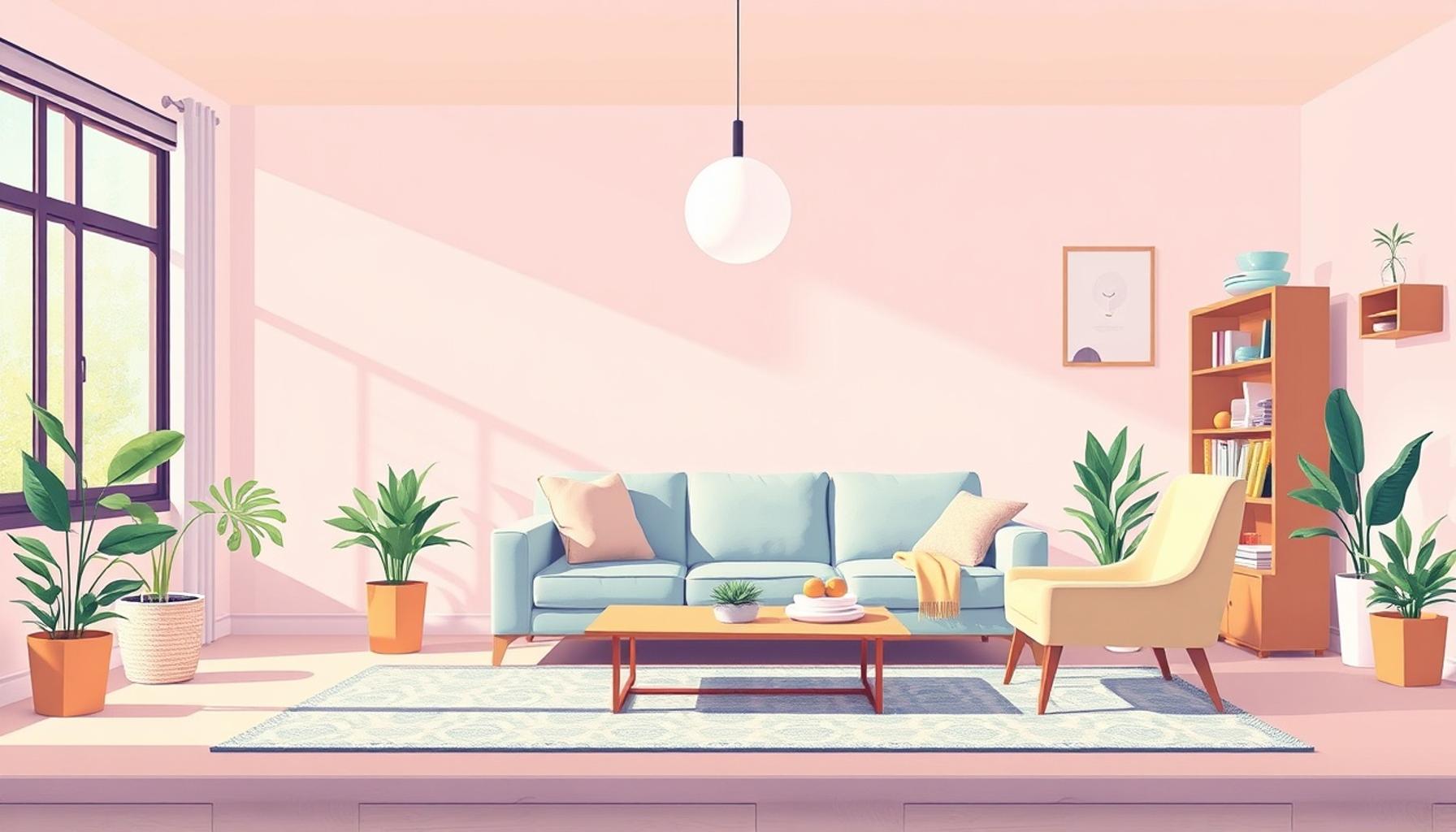
- Natural Light: Incorporate large windows and skylights to invite light into your home. Light-colored walls can also create a bright ambiance that lifts the spirit, making spaces feel larger and more airy.
- Mindful Furniture Selection: Opt for versatile and functional pieces that serve dual purposes. For instance, a stylish ottoman can provide seating while also offering storage for blankets and cushions.
- Calming Color Palettes: Implement soft whites, grays, and earthy tones throughout your interior design. These color schemes have been shown to elicit feelings of calmness and stability, crucial for a serene environment.
The process of transforming your environment transcends mere aesthetics; it is about crafting a mindful sanctuary conducive to relaxation and peace. Investing in these minimalist techniques allows you to cultivate a space that not only enhances mental clarity but also uplifts your spirit. Imagine returning home after a long day to a space that reflects serenity and balance—by embracing these principles, you can effectively create an oasis in the midst of chaos.
DISCOVER MORE: Click here for expert tips on organizing toys and living spaces
Transforming Your Home into a Sanctuary
As our lives become increasingly fast-paced, the importance of having designated relaxation spaces within our homes cannot be overstated. These areas serve as crucial escapes where we can unwind, reflect, and make room for mental clarity. To achieve this transformation, one must begin by understanding how our environments influence our mood and mindset. A minimalist environment not only lessens distractions but also clarifies purpose, allowing us to embrace simplicity.
Understanding Space Optimization
Space optimization in the context of relaxation spaces revolves around utilizing every inch effectively while prioritizing comfort and ambiance. Consider how each area in your home can serve a dual purpose. For instance, your living room can both entertain guests and provide a cozy corner for reading. Implementing these principles allows you to create an environment that flows well and promotes tranquility. Below are key strategies to enhance space optimization:
- Declutter Regularly: The first step in creating a peaceful atmosphere is removing items that no longer serve you. Allocate time weekly or monthly to reassess belongings, ensuring that each piece in your space brings joy or utility.
- Utilize Vertical Space: When floor space is limited, think vertically. Wall-mounted shelves not only save space but also showcase cherished items, creating a sense of personality and comfort without contributing to clutter.
- Open-Concept Design: If possible, consider restructuring your home to embrace an open-concept layout. This approach enhances natural light flow and fosters a sense of spaciousness that is often absent in closed-off designs.
Additionally, incorporating elements of nature into your relaxation spaces can immensely contribute to mental clarity. By inviting the outdoors in, whether through plants, natural materials, or inspired design, you can create an organic connection that cultivates calm. Research supports that exposure to nature improves mood and reduces stress, making greenery an ideal companion to your minimalist aesthetic.
Moreover, lighting plays a significant role in shaping the atmosphere of your relaxation space. Soft, adjustable lighting can be pivotal in creating a calming environment. Avoid harsh fluorescents and aim for warm-toned bulbs that mimic natural light; consider using dimmers to adapt the intensity according to your mood and activities.
By employing these space optimization techniques, you can develop an environment that supports both mental clarity and relaxation. The journey towards crafting such a haven is not only about aesthetic enhancement but also about fostering a lifestyle that prioritizes serenity amid life’s chaos. Visioning your home as a retreat rather than just a place to live can be the first step in making profound changes.
| Advantages | Details |
|---|---|
| Promotes Mental Clarity | Minimalist environments reduce clutter, which can lead to better focus and creativity. |
| Enhances Emotional Well-Being | A calming space promotes feelings of peace, helping to lower stress and anxiety levels. |
In today’s fast-paced world, creating relaxation spaces can significantly influence our overall mental health. The integration of minimalist design not only enhances the aesthetics but also serves a functional purpose, contributing to a clearer mindset. For instance, by utilizing neutral color palettes and comfortable furnishings, one can foster tranquility, allowing individuals to escape from the chaos of daily life.Moreover, the importance of space optimization cannot be overstated. Techniques such as decluttering and organizing furniture can create a seamless flow in the environment, which aids in better personal reflection and mindfulness practices. Incorporating elements such as natural light and plants can also elevate the mood of these minimalist spaces, making them ideal for relaxation and mental rejuvenation. This intentional design lends itself to emotional stability, offering a sanctuary from external pressures, encouraging people to step back, breathe, and reclaim their inner calm.
DISCOVER MORE: Click here to find out how to optimize your space</
The Role of Color and Texture in Creating Calm
In addition to decluttering and optimizing space, the selection of color and texture significantly enhances the calming effect of relaxation spaces. Colors can evoke emotions and influence our state of mind, making their careful consideration essential in crafting a minimalist environment. For instance, soft blues and greens are known for their soothing qualities, often associated with nature and serenity. When applied to walls or furnishings, these colors can help create a visually tranquil setting.
Choosing the Right Palette
When designing your relaxation spaces, neutral tones can act as a backdrop that allows for the introduction of pops of color through accessories like cushions or art without overwhelming the senses. Shades like beige, ivory, and light gray provide a sense of calm while allowing your mind to breathe. Pair these colors with textured materials—think soft linens, plush wool, or smooth woods—that foster a cozy and inviting atmosphere.
According to studies conducted by the International Journal of Environmental Research and Public Health, the incorporation of color psychology into interior design can lead to reduced anxiety levels. Therefore, strategically using color in your relaxation spaces can be more than aesthetic; it can be therapeutic.
Investing in Quality Over Quantity
In a minimalist environment, every piece serves a purpose or brings joy. Thus, investing in high-quality, multifunctional furniture becomes a priority when creating relaxation spaces. Opt for pieces that not only fit your aesthetic but also cater to comfort, such as a plush, ergonomic chair that invites you to unwind with a good book. Additionally, consider furniture that can be easily moved or reconfigured for different activities; a lightweight side table can double as a meditation seat or a snack tray during a movie night.
Furthermore, incorporating sound-absorbing materials—like thick rugs or heavy drapes—can also optimize your space while contributing to an atmosphere of tranquility. These items help to minimize noise pollution, elevating the calm environment crucial for relaxation. The synergy between tactile elements and sound control creates a serene setting that delights the senses and promotes mental clarity.
Creating Intimate Zones
Even within small homes, carving out intimate zones for specific activities is vital. Dedicated areas for meditation, reading, or mindful breathing can enhance your ability to decompress. Use room dividers or open shelving to visually distinguish these zones. Adding visual boundaries can create the illusion of separate spaces, allowing for a clearer distinction between relaxation and everyday life. This separation can help mentally prepare you for a state of calm as soon as you step into these areas.
Incorporating technology thoughtfully can also be beneficial. Consider adding soft background music or natural soundscapes that can subtly encourage deeper relaxation. Smart lighting systems that change colors based on your mood can help to set the tone. By marrying these technical aspects with the principles of space optimization, you can further elevate your minimalist sanctuary, achieving a harmonious environment conducive to mental clarity and relaxation.
DISCOVER MORE: Click here to learn effective organizing tips
Embracing Minimalism for a Tranquil Life
In conclusion, the journey to creating relaxation spaces that promote calm and mental clarity lies in the thoughtful application of minimalist principles. By focusing on space optimization, individuals can foster serene environments that resonate with peace and simplicity. The careful selection of color palettes, the incorporation of quality furnishings, and the segmentation of functional zones play pivotal roles in establishing spaces that aid in unwinding from the hustle and bustle of daily life.
While aesthetic appeal is important, the mental and emotional benefits derived from these spaces should not be overlooked. Research supports that our surroundings can profoundly influence our stress levels and overall mental health. Therefore, as you embark on your design journey, embrace the idea that less is often more. Prioritizing multifunctional furniture and soft textures not only enhances comfort but also alleviates clutter, creating a haven for relaxation.
Moreover, consider the integration of technology as an ally in your quest for tranquility. Smart solutions that adjust ambiance can harmonize with the minimalist ethos, elevating your environment further. As you design personal sanctuaries within your home, remember that creating dedicated areas for introspection and mindfulness is equally crucial. In essence, your relaxation space should serve as a reflection of your needs and desires, ultimately guiding you to a more centered way of living.
As you explore the realms of minimalist design, may your relaxation spaces become true sanctuaries for clarity and calm—places where the mind can unwind and rejuvenate, paving the way for a balanced and fulfilling life.

Beatriz
Beatriz Johnson is a seasoned financial analyst and writer with a passion for simplifying the complexities of economics and finance. With over a decade of experience in the industry, she specializes in topics like personal finance, investment strategies, and global economic trends. Through her work on our website, Beatriz empowers readers to make informed financial decisions and stay ahead in the ever-changing economic landscape.