Transformation of Environments: The Impact of Colors and Textures on Space Perception in Minimalist Decorations
The Importance of Color in Interior Design
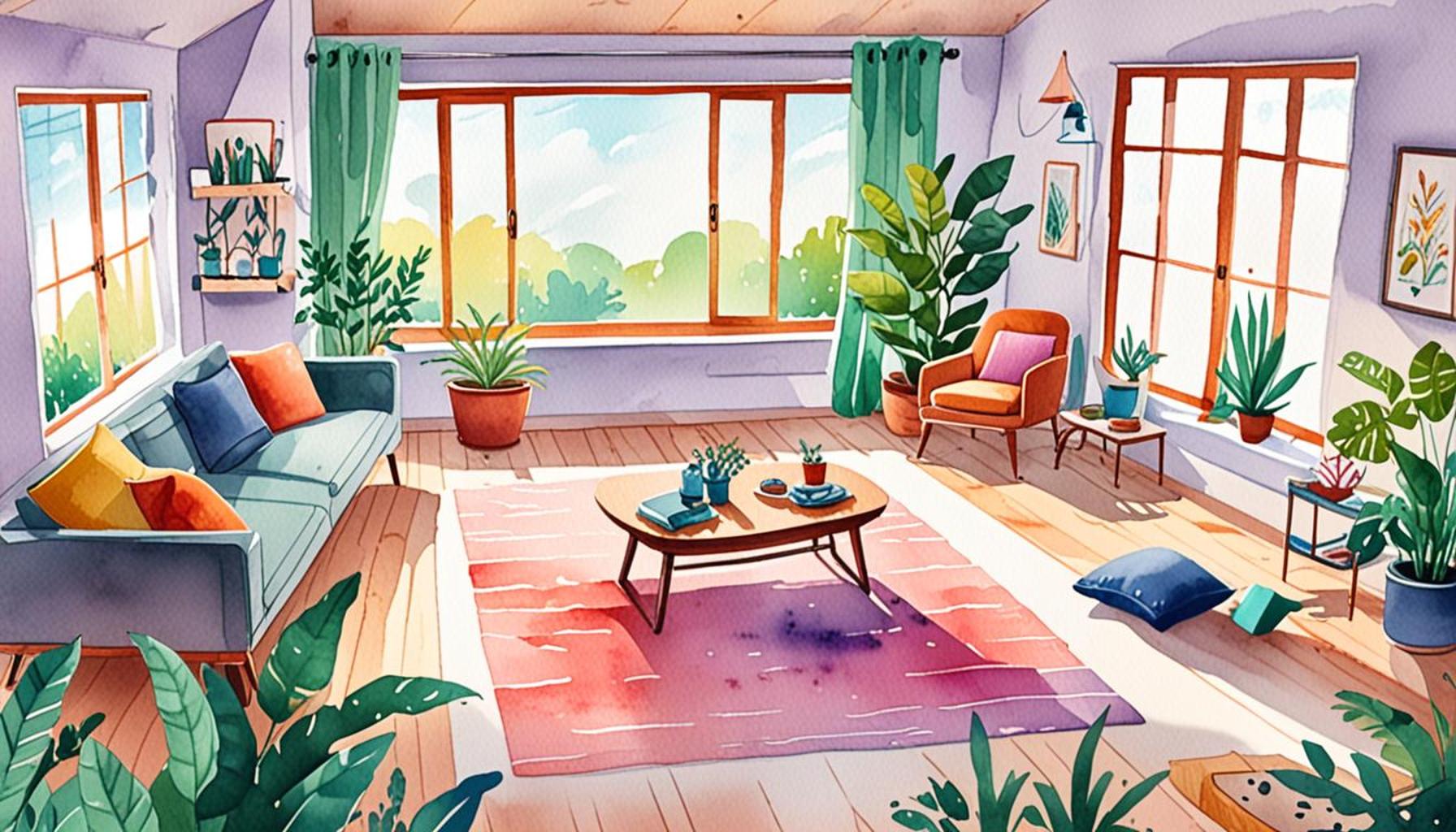
In the realm of interior design, colors and textures play pivotal roles in shaping our experience of space. Particularly in minimalist decorations, the thoughtful application of these elements can dramatically alter perceptions of size, comfort, and warmth. The right combinations not only enhance the aesthetic appeal but also influence mood and functionality.
Understanding Color Psychology
Consider the concept of color psychology—the study of how colors impact human behavior and emotions. For instance, soft blues and greens are widely recognized for their calming effects, making them ideal for bedrooms or meditation spaces. In contrast, vibrant yellows can induce a sense of energy and creativity, which is why they are commonly used in kitchens or workspaces. A well-documented study revealed that people who worked in areas decorated with bright colors reported higher levels of productivity and positivity.
The Role of Texture in Design
Texture variation is another crucial aspect that can transform a minimalist room into an engaging environment. By mixing smooth surfaces—like glossy ceramic tiles or polished woods—with more rugged, natural finishes such as reclaimed barn wood or stone, a designer can create a sense of depth and intrigue. For example, a stark white wall adorned with a handmade clay sculpture can provide a striking contrast that draws the eye, enhancing the overall aesthetic. Textures also play into the sensory experience; soft fabrics invite touch, while hard surfaces can evoke a sense of sturdiness.
Illusion of Space
The clever use of color can also manipulate our perception of space. Light colors, such as pale grays and off-whites, can make a room feel larger and more open, ideal for smaller apartments or rooms. Conversely, darker hues can create an intimate and cozy ambiance, perfect for creating a snug living room or reading nook. For instance, a deep navy accent wall paired with warm lighting can invite relaxation and conversation, making the space feel welcoming.
Minimalism’s Emphasis on Harmony
Beyond mere aesthetics, minimalism thrives on the harmony between elements, where each color choice and texture adds a layer of meaning. The minimalist philosophy encourages the elimination of clutter and focusing on essential items that bring joy or serve a purpose. This curated approach not only refines the visual appeal of a space but also influences how occupants interact within it, fostering a sense of peace and order.
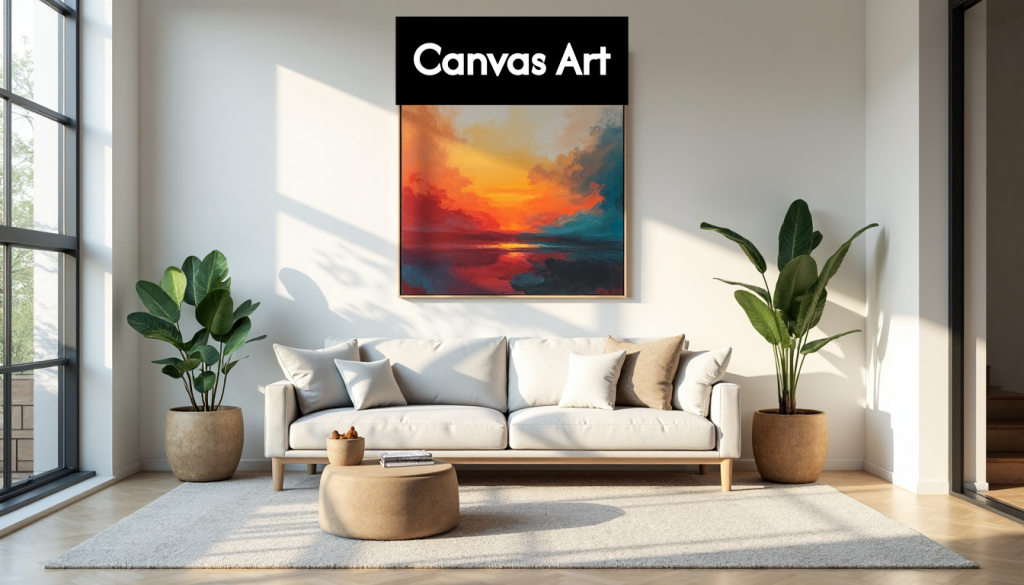
As we dive deeper into this exploration, you’ll discover how to harness the power of color and texture, redefining spaces for both functionality and emotional resonance. Whether it’s through a fresh coat of paint, a thoughtfully chosen piece of art, or a textured fabric, the potential to enhance your environment is within reach. Are you ready to transform your surroundings with consideration and creativity?
DIVE DEEPER: Click here to discover the power of gratitude in minimalism</p
The Impact of Color Choices in Minimalist Spaces
When it comes to minimalist decorations, every element has a pivotal role in defining the space. The choice of colors can evoke a range of emotions and feelings that directly correlate with how one experiences their environment. For example, a study conducted by the University of Minnesota indicated that color perception can trigger psychological reactions; thus, understanding the emotional weight that different colors carry is essential for successful interior design.
Neutral Tones and Their Emotional Weight
Neutral tones, such as whites, beiges, and grays, dominate the minimalist palette, promoting a sense of tranquility and harmony. These hues serve as a backdrop that allows other design elements, such as furniture and artwork, to shine. Furthermore, using these colors can create a calming atmosphere, making spaces feel open and airy. This is particularly beneficial in urban environments where space is limited. Here’s how specific neutral colors can affect perception:
- White: Represents purity and cleanliness, making rooms appear larger and more spacious.
- Beige: Offers warmth and comfort, establishing a cozy yet sophisticated ambiance.
- Gray: A versatile shade that can add depth and intrigue, often used as a balance between warmth and modernity.
The Use of Accent Colors
In the minimalist aesthetic, the deliberate use of accent colors can spark interest and focus attention on specific areas or features of a room. Accent colors, typically bolder than the neutral base, draw the eye and can be strategically placed to break the monotony without overwhelming the space. The bold integration of colors, such as a forest green vase or a ruby red throw pillow, introduces personality while maintaining a clutter-free environment.
Textures: An Extension of Color
While color captures attention, texture adds depth and warmth that contrasts against the clean lines of minimalism. The thoughtful implementation of various textures, including soft textiles and wood grains, can make a minimalist design feel more inviting. For example:
- Fabrics: Utilizing linen or cotton can soften the starkness of a minimalist room.
- Wood: Incorporating furniture made from reclaimed wood adds a tactile element and a sense of history.
- Stone: Stone features can provide a cool, modern contrast that emphasizes the clean aesthetics of minimalism.
Ultimately, the interplay of colors and textures in minimalist decorations creates a transformative environment tailored to how one interacts with their surroundings. As we move forward in this article, we will explore more nuances regarding how these elements can heighten the sensory experience of any space.
The Role of Colors in Minimalist Decor
Colors play a pivotal role in shaping our perception of space. When considering minimalist decorations, the choice of colors can either enhance or restrict the feeling of openness within a space. For instance, lighter shades such as whites, beiges, and soft grays can create an illusion of a larger space, making it feel airier and more inviting. Meanwhile, darker hues can be employed strategically to demarcate zones or create focal points, adding depth without overwhelming the aesthetic.
Moreover, the psychology of color influences mood and emotion. Warm tones like soft yellows and oranges evoke warmth and cheerfulness, while cool colors such as blues and greens are calming and promote relaxation. Interrogating how these color choices resonate with the inhabitants can lead to profound insights about personal preferences and overall well-being in minimalist settings.
Textures: A Touch of Depth
Texture adds dimension to minimalism, counteracting the starkness that can sometimes accompany such a design ethos. Integrating varied textures—be it through textiles, wall finishes, or furniture—gives the environment a tactile sense that invites interaction. For example, combining smooth surfaces with soft textiles can create visual interest while maintaining a cohesive look. This juxtaposition not only fosters a more dynamic environment but also encourages a deeper engagement with the space.
Furthermore, the effects of natural textures like wood or stone infuse a sense of warmth and comfort, grounding the minimalist concept in nature and offering a respite from the fast-paced modern world. Introducing these elements thoughtfully can transform a minimalist space from merely functional to a sanctuary of serenity.
| Color | Impact on Space |
|---|---|
| Light Colors | Create an illusion of spaciousness and openness. |
| Warm Tones | Evoke warmth and a sense of community. |
| Texture Variation | Adds depth and reduces starkness in minimalist decor. |
| Natural Materials | Infuse comfort and connect spaces to nature. |
Through the careful selection of colors and textures, one can master the art of minimalist transformation, creating environments that not only look aesthetically pleasing but also enhance everyday experiences. Understanding these elements empowers individuals to curate spaces that reflect their identity while elevating their engagement with their surroundings.
DISCOVER MORE: Click here to learn how to declutter your kitchen
Textures: The Unsung Heroes of Minimalist Design
While color often takes the spotlight in discussions about minimalist decorations, it is the role of textures that can significantly enhance the overall experience of a space. Textures can either soften or amplify the impact of colors, leading to a rich sensory experience that engages the inhabitants on multiple levels. A well-rounded minimalist design leverages the interplay of textures to create warmth and character, countering any potential sterility brought on by a monochromatic palette.
The Tactile Experience
Texture can transcend visual appeal by engaging the sense of touch, effectively transforming the ambiance of a room. The inclusion of varied textures can make a minimalist space feel more inviting. For instance, a smooth leather sofa might contrast beautifully with the roughness of woven baskets, creating a dynamic yet balanced environment. Here are some examples of how different textures contribute to fabricating an enhanced spatial perception:
- Velvet: Often regarded as a luxurious fabric, velvet can evoke a sense of opulence and comfort, especially in seating options and cushions.
- Rugged Elements: Incorporating materials like burlap or natural jute in rugs or decorative elements brings an organic feel that intrigues the senses.
- Glass: Transparent surfaces can visually expand a space, amplifying light, and creating a feeling of openness while adding a sleek edge to the décor.
The Role of Layering
Another effective method in minimalist design is the art of layering textures. This strategy allows designers to play with different materials while adhering to the principles of minimalism. The mix of textiles, from soft throws to intricate weaves, achieves a sophisticated visual dialogue. Layering textures can draw the eye around the room, leading to an immersive experience. For example:
- Textured Wall Finishes: A feature wall with a faux plaster or rough painted texture can create an intriguing focal point, contrasting against smooth furniture surfaces.
- Mixing Textures in Accessories: Combining various materials such as metallics, ceramics, and wood in vases or decorative bowls can catch the light in different ways, creating visual interest.
- Artisan Craftsmanship: Handcrafted items such as pottery or handmade ceramics introduce not only texture but also cultural richness, fostering a connection between the inhabitants and the environment.
The Importance of Balance
As with color, achieving a harmonious balance between different textures is paramount in maintaining the essence of minimalist design. Excessive variety can lead to visual chaos, counteracting the calming effect that minimalism is known for. A deliberate approach, pairing smooth surfaces with tactile elements, leads to a coherent appearance that feels intentional rather than haphazard. Guidelines suggest that for every major texture introduced, supporting textures should affirm this choice rather than compete with it.
Moreover, the psychological impact of textures cannot be overstated; they instill a sense of security and comfort, often prompting individuals to connect emotionally with their surroundings. This emotional bond is particularly essential in spaces where relaxation and focus are key, such as in bedrooms and offices. In essence, textures contribute not only to aesthetics but also to fostering a deeper connection with the environment.
As we continue our exploration of sensory environments, the next focus will shift towards integrating elements of nature within minimalist spaces, revealing the profound influence of natural materials in achieving a holistic design.
DISCOVER MORE: Click here to learn how technology can simplify your organization</p
Conclusion: The Symbiotic Relationship of Color and Texture in Minimalist Design
In the realm of minimalist decorations, the transformation of spaces hinges significantly on the careful interplay of colors and textures. While colors serve to set the emotional tone of a room, evoking feelings ranging from tranquility to vibrancy, textures amplify this impact by introducing depth and tactile experiences. The integration of varied textures, from soft textiles to robust materials, not only enriches the visual landscape but also humanizes minimalist design, making it more approachable.
Furthermore, the art of layering textures offers a unique opportunity for designers to maintain simplicity while enhancing complexity, drawing the eye and inviting interaction. Each element, whether it’s a sleek glass tabletop or a tactile woven basket, plays a critical role in creating an immersive environment that resonates with the psychological needs of its inhabitants. The importance of achieving harmony between these elements cannot be overstated, as it underpins the essence of minimalism—a tranquil refuge from the clamor of everyday life.
As we delve deeper into the nuances of space perception, it is essential to consider how these elements affect our emotional and psychological well-being. Individuals are naturally drawn to environments that stimulate their senses while fostering a sense of calm. Ultimately, the transformative power of colors and textures in minimalist decorations not only shapes our physical surroundings but also profoundly enhances our daily experiences. This invites designers and homeowners alike to explore new dimensions of their spaces, embracing the subtle yet impactful journey of transformation.