The Psychological Impact of Decluttering on Mental Health and Well-Being

Understanding the Benefits of Decluttering
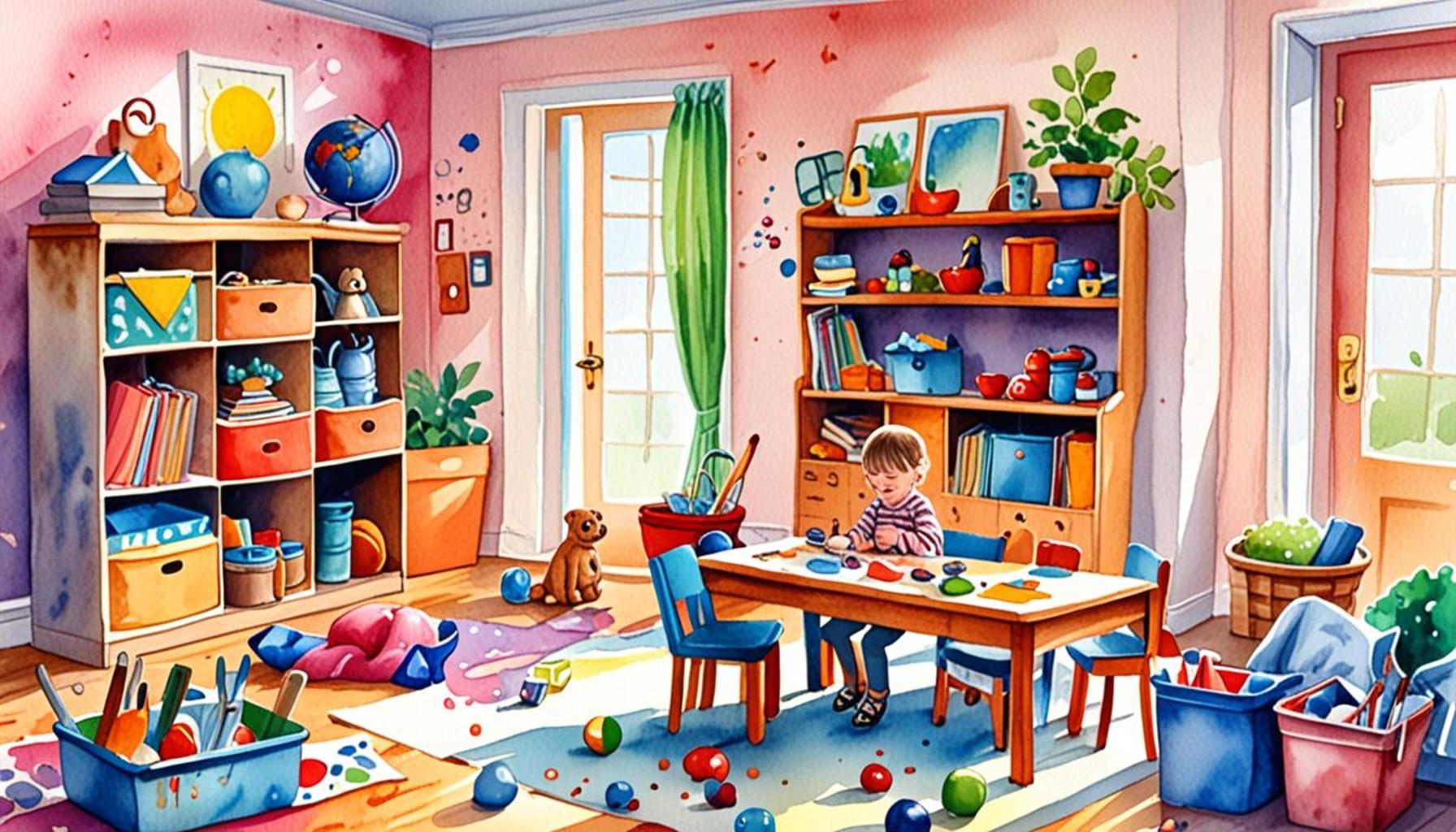
Living in a cluttered space can greatly impact one’s mental health. Many people underestimate the psychological weight that excess belongings can carry. The act of decluttering serves not just as a means to organize, but also to refresh the mind. Avalanches of objects can quickly build up in our homes, creating not just physical barriers, but emotional hurdles as well. By actively engaging in decluttering, individuals can enhance their living environment and positively influence their psychological well-being.
The Connection Between Clutter and Stress
Clutter creates visible and mental distractions. Studies suggest that individuals surrounded by disarray may experience:
- Increased stress levels – A messy environment can lead to heightened anxiety. Research from the Princeton University Neuroscience Institute indicates that clutter can compete for your attention, which can lead to lower mental performance.
- Lowered focus – Disorganization can disrupt concentration and productivity. When your surroundings are chaotic, your brain feels compelled to process this chaos, making it increasingly difficult to focus on the task at hand.
- Negative emotions – Clutter often cultivates feelings of embarrassment or guilt. Individuals may feel like failures for not maintaining a clean space, leading to a cycle of negative self-talk.
Psychological Benefits of a Clear Space
On the flip side, decluttering can lead to a variety of psychological benefits. These can include:
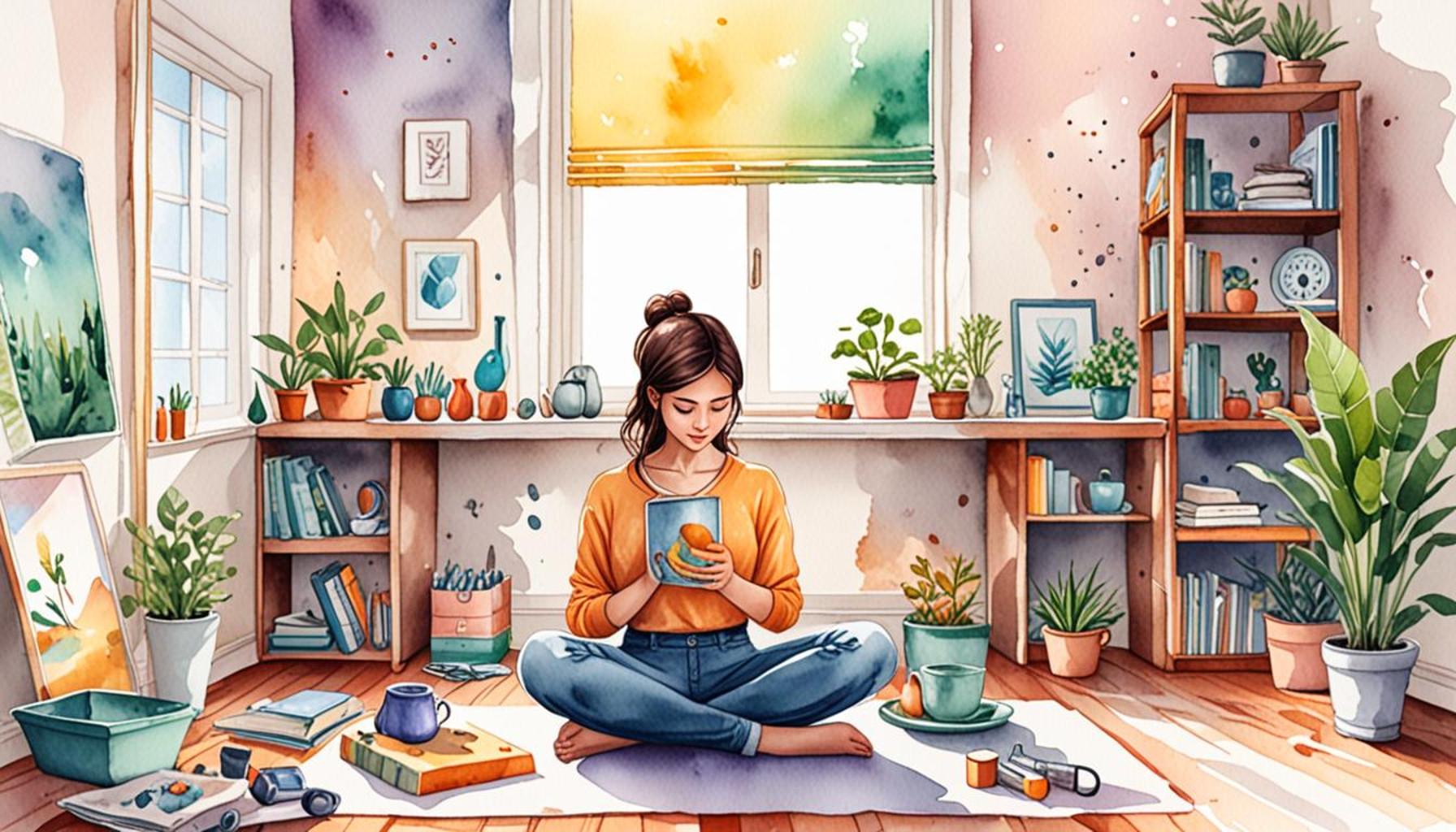
- Improved mood – A tidy space can invoke feelings of calm and control. Many people report feeling more positive immediately after decluttering as they reclaim their living spaces.
- Enhanced creativity – A clear mind leads to increased innovation and fresh ideas. In environments free of distractions, individuals often discover they can think more clearly and creatively, making room for new ideas.
- Sense of accomplishment – Completing a decluttering project can foster a feeling of success. The act of letting go of unnecessary items not only creates space but also serves as a tangible reminder of one’s ability to take control and make changes.
As we delve into this topic, we will explore how decluttering affects both mental health and overall well-being. Understanding these impacts may inspire a change in how we view our living spaces and ourselves. Integrating decluttering practices can lead to a more organized lifestyle, allowing individuals to focus on what truly matters. In today’s fast-paced society, where distractions are abundant, the benefits of a clean and clear space cannot be overstated. Discovering strategies to simplify one’s environment may unfold new pathways to tranquility and productivity in everyday life.
DIVE DEEPER: Click here to discover how an organized space can enhance your relationships</a
The Transformative Power of a Tidy Space
Decluttering extends far beyond the removal of excess items; it cultivates a profound shift in perspective that can significantly benefit mental health. Several psychological mechanisms are at play when individuals decide to embark on a decluttering journey. For many, the act of sorting through possessions is symbolic, offering an opportunity to confront emotions linked to the items we hold onto. This emotional release can pave the way for greater clarity and peace of mind.
Emotional Liberation Through Letting Go
The process of decluttering often involves a confrontation with the past. Many individuals find themselves emotionally attached to items that no longer serve a purpose, be it clothing from a previous era or memorabilia from long-lost friendships. By letting go of these possessions, individuals can experience a form of emotional liberation. This detachment encourages individuals to reflect on their current lives and values, thus enhancing their sense of self-awareness.
Creating Intentional Spaces
Decluttering is also about the creation of intentional spaces that align with one’s current goals and lifestyle. When individuals take the time to organize their environments, they redefine their spaces based on what truly matters to them. These spaces become reflections of their aspirations and desires, which can have a positive impact on mental well-being. Organizing a workspace, for example, can lead to increased productivity and motivation, ultimately resulting in a more fulfilling work experience.
Promoting Mindfulness and Well-Being
Decluttering can significantly enhance mindfulness, which is a vital aspect of mental well-being. Engaging in activities like sorting, organizing, and cleaning can serve as a form of mindfulness practice. This intentional focus on the task at hand promotes a state of awareness that reduces feelings of anxiety and promotes relaxation. Studies have shown that individuals who practice mindfulness exhibit lower levels of stress and an improved overall mood.
Community and Shared Inspirations
Additionally, decluttering can foster social connections. In many communities across the United States, organizing events or group decluttering sessions have gained popularity. These gatherings not only offer individuals an opportunity to declutter their homes but also serve as a communal support system. Sharing strategies and experiences with others can strengthen relationships while simultaneously reinforcing the psychological benefits of a clutter-free environment.
As we explore the intricacies of how decluttering impacts mental health, it becomes evident that the psychological benefits are not merely a coincidence. The act of creating order from chaos resonates deeply within us, unlocking pathways to enhanced well-being and a more fulfilling life. Embracing a tidy living space may very well be the first step toward a transformative journey in achieving peace of mind and positive mental health.
| Category | Description |
|---|---|
| Enhanced Focus | Decluttering your environment allows for reduced distractions, enabling individuals to concentrate better on their tasks and goals. |
| Emotional Clarity | Less clutter often leads to decreased anxiety levels, providing a clearer mental space to process emotions and make thoughtful decisions. |
The idea that a tidy space can promote *psychological well-being* is not just anecdotal; studies show that clutter can contribute significantly to stress and overwhelm. When individuals take the step to declutter, they often experience a boost in mood accompanied by a sense of achievement. The act of letting go of unnecessary possessions can be liberating, fostering a fresh perspective on life.Furthermore, decluttering can be an empowering process that leads to improved self-esteem. It encourages individuals to assess what is truly important in their lives, resulting in more conscious and intentional living. As our spaces become more organized, so do our thoughts and emotions, paving the way for a healthier mindset and overall well-being.Additionally, decluttering can be a form of *mindfulness practice*. It encourages individuals to be present in the moment, focusing on each item and the emotions it evokes. This reflective process can enhance emotional resilience and provide insights into personal values and priorities, further contributing to mental wellness.
DISCOVER MORE: Click here to learn how minimalism supports sustainability
Unlocking Calmness Through Orderly Environments
The connection between physical environments and mental states is gaining increased recognition in psychology. A cluttered environment can serve as a constant source of distraction and stress, contributing to feelings of overwhelm. Research, including studies from the Princeton University Neuroscience Institute, indicates that groups of items in disarray can impede the brain’s ability to focus, leading to diminished productivity and anxiety. In contrast, a tidy and orderly space can foster a sense of calm, making it easier for individuals to concentrate on tasks and engage meaningfully with their surroundings.
Effects on Anxiety and Stress Levels
Decluttering may also act as a buffer against anxiety. A survey conducted by the National Institute of Mental Health (NIMH) revealed that individuals who reported high levels of clutter in their homes frequently experienced increased stress and anxiety levels. This can prompt a vicious cycle, wherein clutter exacerbates feelings of unease, which then produces even more clutter as individuals struggle to cope. By creating a clutter-free environment, individuals can lower their innate stress response, leading to more effective emotional regulation and improved coping mechanisms. Studies have found that a well-organized living space can reduce cortisol levels, the hormone linked to stress, thereby enhancing overall mental health.
The Link Between Decluttering and Happiness
Interestingly, decluttering is also linked to happiness and satisfaction in life. A study by the University of California, Los Angeles, showed that individuals who reported having free and organized spaces also expressed higher levels of happiness and life satisfaction. This correlation emphasizes how our physical surroundings can influence our emotional states. When people take control by clearing out the unnecessary and organizing their spaces, this sense of agency and accomplishment can significantly boost self-esteem and foster positive feelings. With each item that is cleared, individuals unlock a potential for embracing newfound joy and clarity.
Benefits of Minimalism
The rise of minimalism has added another layer to the discussion of decluttering. Minimalism encourages individuals to focus on quality rather than quantity, urging them to curate their possessions carefully. This intentional approach relates not only to physical belongings but also to mental clutter. By adopting a minimalist mindset, one cultivates the habit of questioning what truly adds value to life. Research suggests that minimalism can lead to reduced anxiety and greater overall happiness by allowing space for meaningful experiences over material possessions.
Long-term Sustainable Change
Importantly, the effects of decluttering can lead to long-term behavioral changes that enhance mental well-being. As individuals consistently embrace the act of organizing their environments, they often develop a sense of routine and discipline that extends beyond physical spaces. This newfound consistency can enhance habits related to self-care, productivity, and social interactions. The integration of regular decluttering practices can create a lifeline to better mental health, fostering resilience in facing life’s challenges. By sharing these benefits, communities can inspire others to approach decluttering as a means of improving overall well-being.
Through various facets, the *psychological impact of decluttering* becomes increasingly prevalent, providing an avenue for deeper self-exploration and healthier living. The essential act of organizing one’s space transcends mere aesthetics, leading toward a richer, more fulfilling life both mentally and emotionally. Exploring these themes can provide individuals with profound insights into achieving personal harmony through the lens of decluttering.
DISCOVER MORE: Click here to unlock the benefits of decluttering
Conclusion: The Transformative Power of Decluttering
In a world increasingly characterized by chaos and overstimulation, the *psychological impact of decluttering* emerges as a beacon of hope for individuals seeking greater mental health and well-being. Through the insights garnered from various studies, we see a clear link between organized environments and improved emotional states. Decluttering not only alleviates stress but also serves as a catalyst for enhanced productivity, emotional regulation, and overall happiness. The intentional act of clearing physical spaces leads to the conscious curation of one’s life, allowing individuals to prioritize what truly matters.
Moreover, embracing minimalism offers a potent framework for this transformation, as it encourages individuals to shift their focus from the accumulation of possessions to the enrichment of experiences. This shift cultivates a sense of agency and ownership over one’s environment, fostering self-esteem and resilience against life’s inevitable challenges. As people embark on their decluttering journeys, the practice itself can become a therapeutic ritual, paving the way for long-lasting habits and behavioral changes that intrinsically enhance well-being.
Ultimately, the act of decluttering goes beyond mere aesthetics; it represents a profound opportunity for self-discovery and growth. By sharing our experiences and encouraging others to embrace this practice, we can foster a community dedicated to improving mental health through organized living. In a society where clutter can often feel suffocating, let us unlock the path to clarity and fulfillment through intentional decluttering.