The Importance of Space Planning: How to Create Functional and Pleasant Environments with Less
Understanding Space Planning
In our fast-paced world, effective space planning has become essential for creating environments that are both functional and inviting. With the rise of minimalism, many people are discovering the benefits of utilizing less space efficiently. However, achieving a harmonious balance in design requires careful thought and planning. A strategic approach to space planning not only optimizes the use of available area but also enhances the quality of life for those within it.
Key Benefits of Effective Space Planning
- Maximized Functionality: Well-planned spaces enhance usability and ensure every square foot serves a purpose. For instance, in small apartments, multifunctional furniture such as Murphy beds or extendable dining tables can transform a limited area into a versatile living environment.
- Enhanced Aesthetics: Thoughtful design can transform a cluttered area into a serene retreat. Using light colors, mirrors, and strategic lighting can create an illusion of spaciousness, making even the coziest rooms feel open and airy.
- Improved Productivity: Efficient layouts can significantly boost focus and performance in work environments. For example, tech startups in Silicon Valley often design open office layouts with collaborative spaces that encourage teamwork and innovation, leading to increased productivity.
Consider how large cities, such as New York and San Francisco, creatively utilize limited space to accommodate their dense populations. High-rise buildings that incorporate green spaces, such as parks on rooftops, exemplify innovative solutions. The High Line in New York City—an elevated linear park—transforms abandoned rail tracks into a vibrant recreational space, demonstrating how urban planners can revolutionize city landscapes effectively.
Moreover, the application of space planning principles can result in substantial cost savings and a reduced environmental impact. By emphasizing quality over quantity, individuals and businesses can invest in designs that prioritize utility while embracing simplicity. Efficient use of materials and energy can lead to sustainable living, which is becoming increasingly relevant in today’s environmentally-conscious culture.
This article will delve into vital strategies and practical tips for mastering space planning. Whether it involves decluttering a small bedroom or re-designing a corporate office floor, there are countless methods to explore. Let’s embark on a journey to transform cramped or chaotic environments into open, functional spaces with thoughtful consideration, inspiring creativity and enhancing overall tranquility.
DISCOVER MORE: Click here to learn about the journey of detachment

Strategies for Effective Space Planning
To fully embrace the benefits of space planning, it’s essential to implement effective strategies that guide the design process. These strategies not only focus on the aesthetics but also on creating more functional and pleasant environments. Here are some key strategies to consider:
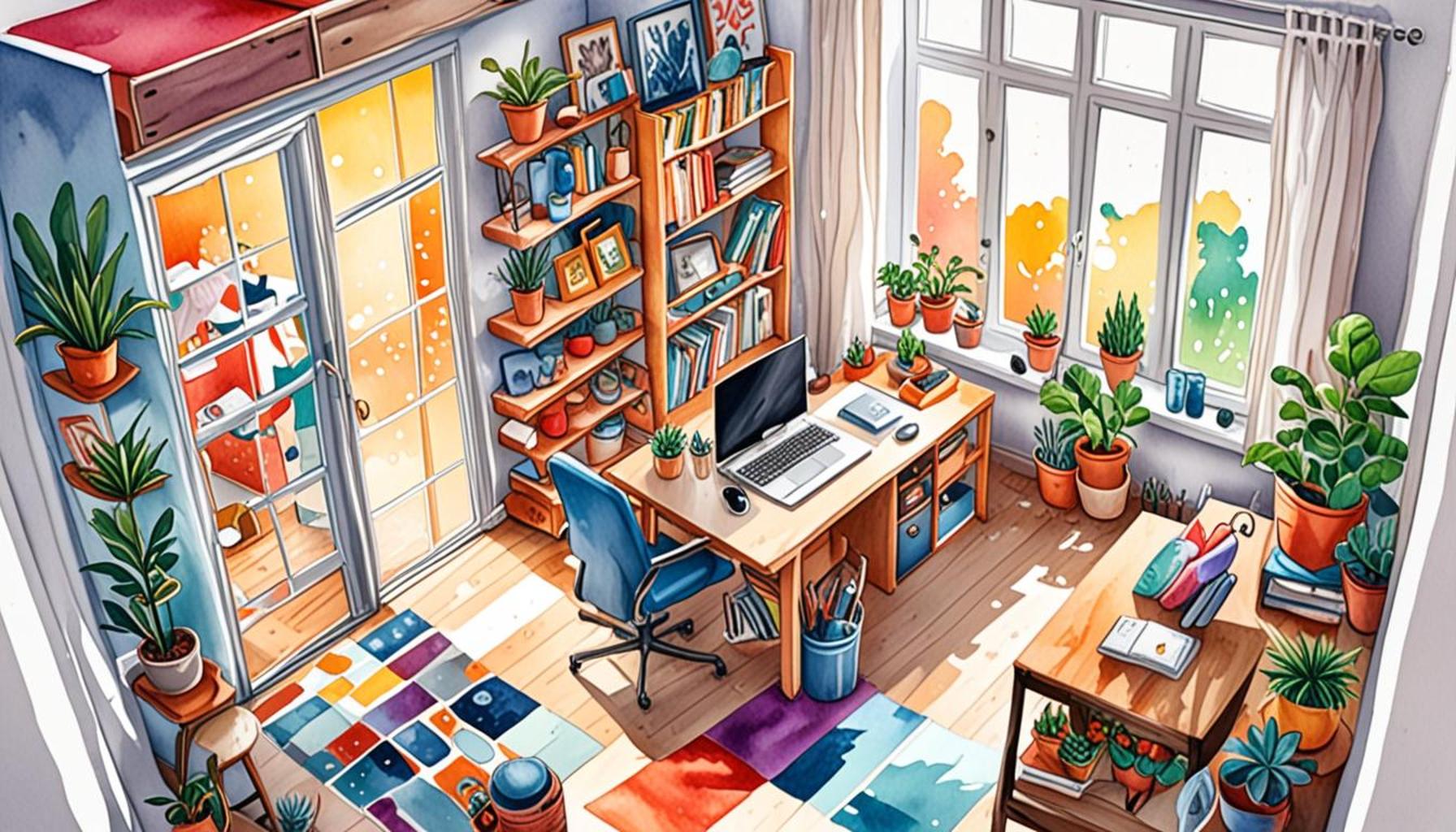
- Assess Your Needs: Begin by evaluating how you currently use the space. Understand the activities that take place, everyday habits, and any challenges you face. For instance, a family with young children may require areas for play and storage, while a home office should prioritize a quiet and organized workspace.
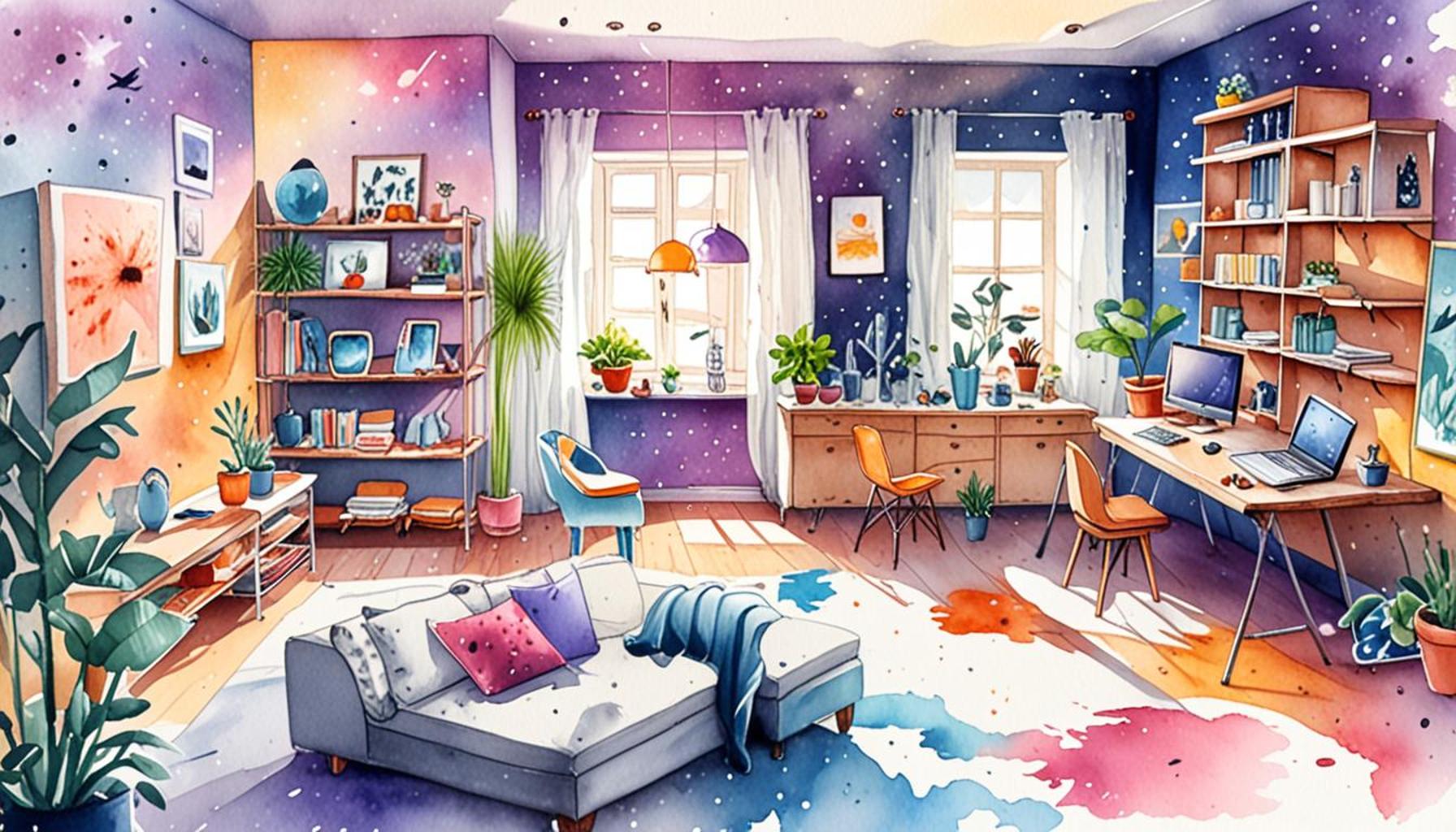
- Establish Zones: Creating distinct zones helps to define areas for different purposes, enhancing both functionality and flow. In open-concept areas, utilize furniture placement or rugs to distinguish between the living room, dining space, and workspace. This not only organizes the space but also provides a visual structure.
- Incorporate Natural Light: Maximizing natural light can profoundly impact a room’s ambiance. Strategically placing mirrors to reflect light and opting for sheer window treatments can create a more open and inviting environment. Well-lit spaces have been linked to improved mood and increased productivity.
- Choose Multi-Functional Furniture: Invest in furniture that serves more than one purpose. For example, consider a sofa bed for guests or a coffee table with storage capabilities. This strategy minimizes clutter and maximizes use without overwhelming the space.
- Maintain Flow: Ensure that pathways within the area are unobstructed and make sense. An accessible flow contributes to a more enjoyable experience in any space. For example, in a kitchen, the “kitchen work triangle” (the optimal distance between the sink, stove, and refrigerator) supports both efficiency and ease of movement.
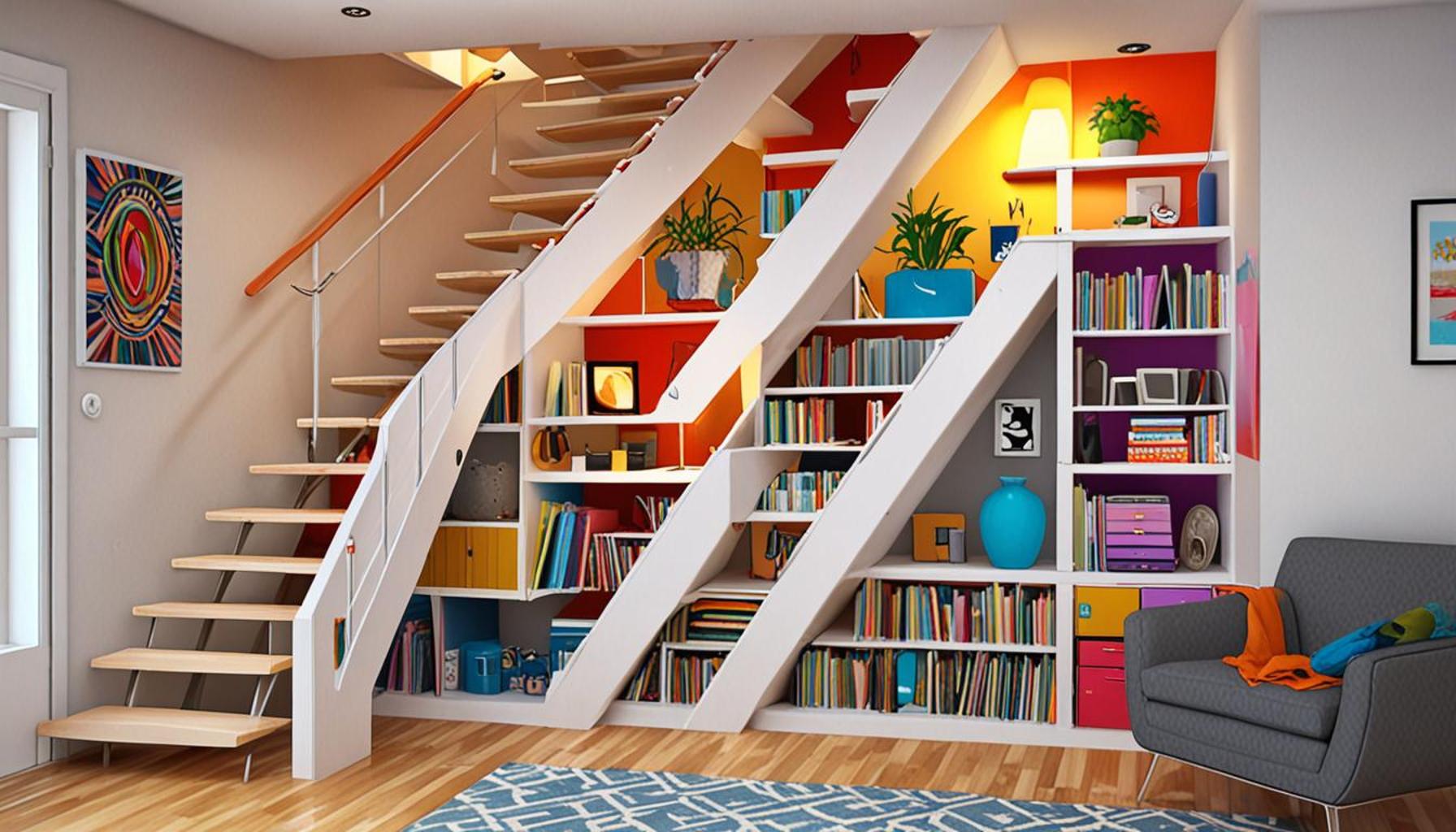
- Utilize Vertical Space: In small areas, using vertical storage solutions can help maximize available space. Shelves, wall-mounted cabinets, and hooks can store items up high while leaving the ground free for easier traffic and movement.
These strategies emphasize not only the importance of space planning but also how designing with intention can lead to better quality living. With the right focus, individuals can transform their environments into functional places that encourage relaxation and productivity, all while using less space.
As the landscape of living and working continues to evolve, so does the importance of space planning. More people are seeking smaller homes as urban living becomes the norm, making it crucial for designers and individuals alike to understand the principles that contribute to effective layouts. As we explore further into the art of space planning, you’ll discover how thoughtful design can make a significant difference in enhancing the overall living experience.
The Key Elements of Effective Space Planning
When considering space planning, there are several important elements that can make or break the functionality and aesthetic of an environment.
1. Understanding the Flow of Space
A major advantage of effective space planning revolves around understanding how people move within a space. This concept, known as “flow,” ensures that areas are designed to promote accessibility and efficiency. By mapping out walking paths and utilizing furniture strategically, you can create a rhythm that enhances interaction and minimizes disruption.
2. Maximizing Usable Area
Another significant aspect is the efficient use of available square footage. The challenge of designing smaller spaces is met with clever storage solutions and multi-functional furniture, which allow you to maximize every inch without clutter. For instance, integrating built-in cabinetry or using ottomans with hidden storage can transform what seems like a confined area into a spacious haven.
3. The Role of Lighting
Lighting plays a critical role in space planning. Natural light is invaluable, contributing not only to a more open feel but also elevating mood and productivity. Carefully placed artificial lighting can highlight specific areas and create visual interest. Combining various lighting sources, such as ambient, task, and accent lighting, optimizes both functionality and aesthetics.
4. Color and Texture
The choice of color and texture also influences a space’s perception. Lighter colors can make a space feel larger, while the right textures can offer warmth and comfort. When planning a space, consider how colors can establish a mood, from serene to invigorating, thereby impacting how individuals interact within the environment.
5. Personalization
Lastly, incorporating elements that reflect personal style allows individuals to connect to their surroundings deeply. Whether it is through artwork, plants, or textiles, personal touches can create a sense of belonging and enhance emotional well-being. In summary, each of these elements contributes to creating functional and pleasant environments, and the importance of attentive space planning cannot be overstated in achieving a harmonious balance of necessity and beauty.
DISCOVER MORE: Click here to learn about the power of minimalism
Leveraging Technology in Space Planning
In today’s digital age, the integration of technology has revolutionized the way we approach space planning. With advanced design software and mobile applications, both professional designers and everyday users can create efficient and appealing layouts with unprecedented ease. Utilizing these technological tools not only facilitates accurate measurements but also enables immersive visualization, allowing users to better conceptualize their future environments.
- 3D Modeling Software: Advanced 3D modeling programs like SketchUp and AutoCAD provide detailed visual representations of space. Users can manipulate layouts in real-time, adding walls, furniture, and other elements to understand how these changes might affect functionality. Engaging with these tools fosters a more informed decision-making process that emphasizes efficiency and aesthetic appeal.
- Augmented Reality (AR) Apps: Innovative AR applications such as IKEA Place allow users to visualize furniture in their existing spaces through their smartphones. By simply pointing their camera at a room, users can see how different items fit within the environment, ensuring the chosen pieces align with the established zones for maximum effectiveness.
- Space Planning Software: Tools specifically aimed at space planning, like RoomSketcher or SmartDraw, allow users to design layouts from scratch. Such software often includes templates tailored for common spaces, making it easier to create functional designs that cater to specific needs, whether it’s for a home, office, or venue.
The incorporation of technology doesn’t just streamline the layout process; it also enables effective collaboration. Professionals can share designs with clients through digital platforms, facilitating feedback and adjustments efficiently. Moreover, this collaborative approach can extend to contractors and suppliers, ensuring that everyone involved is on the same page and working towards a cohesive implementation of the design.
Adapting to Flexible Spaces
Another essential aspect of contemporary space planning is adaptability. The demand for versatile environments has surged, especially in response to the recent trends in remote work and multifunctional living spaces. Designing areas that can serve multiple purposes is crucial for maximizing utility while minimizing unnecessary square footage.
- Convertible Spaces: Consider a guest room that doubles as a workspace. Incorporating a foldable desk or murphy bed can seamlessly transform the environment from a restful retreat to a productive area without extensive alterations. Such flexibility is not only practical, but it also aligns with the modern ethos of minimalism—living rich with less.
- Adjustable Furniture: Furniture that can adapt to various needs is becoming increasingly popular. Pieces like extendable dining tables or modular sofas can accommodate different group sizes and activities, ensuring that residents can host gatherings or enjoy quiet family dinners in a single, effective setup.
- Mobile Solutions: As urban living becomes more prevalent, compact, mobile furniture solutions—such as rolling carts or lightweight chairs—promote easy rearrangement and spontaneous gatherings while maintaining accessibility.
Through the lens of adaptability and technological integration, space planning becomes not only a practical necessity but also a dynamic art form. By focusing on how spaces can be customized and adjusted to fit evolving needs, individuals can create environments that are not only functional but also enriching and enjoyable to inhabit. This attentiveness to adaptability ensures that as life’s contexts change, our environments can effortlessly keep pace.
DISCOVER MORE: Click here to learn about the value of personal space</
Conclusion: The Future of Space Planning
In conclusion, the importance of space planning cannot be overstated. It serves as a fundamental framework for creating not only functional but also pleasurable environments that reflect our evolving lifestyles. As we have explored, the integration of technological advancements and the shift towards adaptable designs are reshaping our living and working spaces, making them more versatile and efficient.
As urban populations grow and we face the realities of living in smaller quarters, the need for functional space becomes paramount. By embracing techniques such as convertible spaces and adjustable furniture, individuals can maximize the utility of their environments while minimizing excess. These approaches dovetail perfectly with the principles of sustainability and minimalism, teaching us that less can truly be more.
Moreover, with the vast array of technological tools available today, such as 3D modeling software and augmented reality applications, we are empowered to visualize, plan, and execute our design ideas more effectively than ever. This not only streamlines the process but also fosters a collaborative atmosphere among designers, clients, and contractors.
As we look to the future, the challenge remains to balance functionality with aesthetic value in our living environments. By prioritizing smart space planning, we unlock the potential to create spaces that nourish our well-being and adapt to our changing needs. As you embark on your own space planning journey, remember: thoughtful design is the key to ensuring your environments are not only practical but also a joy to inhabit.