The Art of Saying No: How Minimalism Can Transform Your Time Management

Understanding the Importance of Time Management
In an age dominated by digital notifications, social media engagements, and an expectation to always be “on,” the ability to learn to say no has emerged as a crucial skill in personal development and well-being. Many individuals find themselves caught in a whirlwind of responsibilities, often saying yes to others at the expense of their own values and goals. This is especially prevalent in American culture, where the relentless pursuit of busyness can signal success. However, embracing a minimalist approach to time management can create a sanctuary of calm amidst the chaos.
Understanding the art of saying no requires honest self-reflection and a disciplined assessment of what truly matters to you. For instance, if spending time with family is your top priority, continuously agreeing to attend work-related events that take you away from that can lead to resentment and burnout. It’s about making conscious choices; learning to say no can be liberating and pave the way for deeper fulfillment.
Embracing minimalism offers several benefits, particularly when it comes to time management:
- Focus: By eliminating non-essential quests and distractions, you can zero in on what truly matters, whether that’s personal projects, family time, or self-care. This deliberate focus can boost productivity and satisfaction in daily activities.
- Clarity: A simplified schedule leads to improved decision-making. By streamlining commitments and prioritizing what brings genuine joy, it becomes easier to navigate through life’s myriad options and challenges.
- Intentional Living: Aligning your schedule with personal values fosters a sense of control and purpose. Rather than letting the demands of others dictate your time, you take charge, ensuring your commitments reflect what you hope to achieve in life.
Adopting this minimalist mindset can profoundly transform your relationship with time. It encourages a shift from a reactive approach—where you sporadically manage obligations—to a proactive stance that prioritizes activities enriching your life. For instance, rather than feeling pressured to attend every social gathering, you can select a few events that truly resonate with you.
In the sections to follow, we will delve into concrete strategies and real-life examples that illustrate how mastering the skill of saying no can lead to a more intentional and fulfilling life. This journey not only minimizes the overwhelm of unnecessary commitments but also cultivates a lifestyle steeped in purpose and satisfaction.
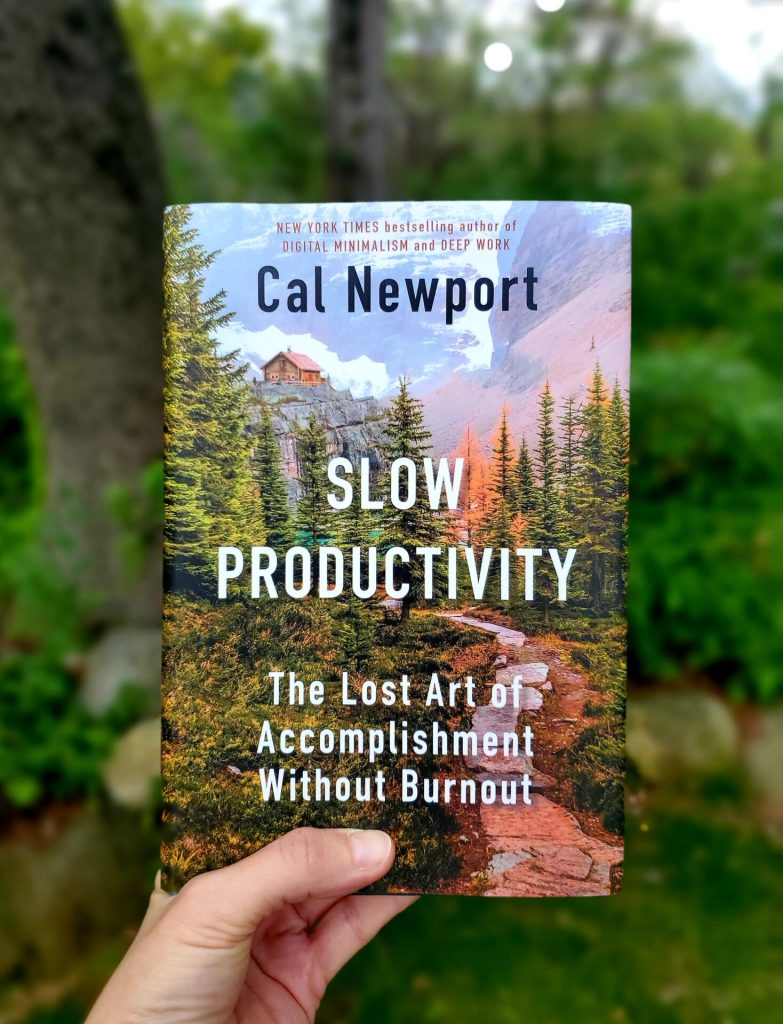
DISCOVER MORE: Click here to learn how to create serene spaces
Embracing Minimalism: A Path to Effective Time Management
The hustle and bustle of daily life often leads to a overwhelming schedule filled with commitments that can drain your energy and time. As responsibilities accumulate, the ability to say no becomes essential for maintaining a balanced life. Embracing minimalism is not just about decluttering your physical space; it also extends to how you manage your time and commitments. By prioritizing what is truly essential, you can carve out more space for activities that genuinely enhance your life.
Minimalism encourages a clear definition of priorities that resonate with your values. This process begins with understanding the role that time management plays in your pursuit of happiness and fulfillment. Here are some core principles that encapsulate the minimalist approach to managing time:
- Identify What’s Important: Take the time to evaluate your current commitments. What aligns with your core values? Whether it’s family, health, or personal growth, recognizing these priorities helps you decide which requests to decline.
- Set Boundaries: Learning to say no means establishing boundaries that protect your time. When someone asks you for a favor or an invitation arises, ask yourself if it serves your goals. If the answer is no, feel empowered to decline.
- Practice Mindfulness: Engaging in mindfulness practices can sharpen your focus on what truly matters. This awareness may foster a deeper appreciation for your time, prompting you to resist the urge to say yes out of obligation.
- Assess the Cost of Saying Yes: Each time you accept a new commitment, consider the time and energy it will require. What will be sacrificed as a result? Weighing the costs against your priorities can guide your decision-making.
This minimalist mindset invites you to shift from reacting to demands placed upon you to proactively managing your commitments. For instance, instead of automatically accepting invitations to social gatherings, evaluate which ones genuinely create joy or foster deeper connections. This selective approach can lead to a more enriching social experience, enhancing both the quality of your relationships and your overall satisfaction with life.
Moreover, studies suggest that saying no can significantly improve mental health by reducing stress and anxiety associated with overcommitment. A 2021 survey by the American Psychological Association revealed that nearly 70% of respondents felt overwhelmed by their commitments, highlighting the need for better time management strategies. By saying no more frequently, you not only advocate for your own well-being but also set a precedent for those around you, encouraging a culture that values intentional choices over mere busyness.
In subsequent sections, we’ll explore practical techniques and real-life success stories to illustrate how mastering the skill of saying no can truly revolutionize your relationship with time. This transformative journey will empower you to embrace minimalism as a guiding principle for a more fulfilling and intentional life.
The Art of Saying No: How Minimalism Can Transform Your Time Management
In today’s fast-paced world, the ability to decline unnecessary commitments is a powerful tool. Embracing minimalism helps individuals focus on what truly matters, leading to improved productivity and balance in daily lives. By mastering the skill of saying no, you streamline your priorities and enhance your time management capabilities.
Understanding how to say no without guilt is essential. Minimalism encourages individuals to evaluate their commitments more critically. This evaluation can help identify activities that drain energy and time without adding significant value. By saying no, you create space for opportunities aligned with your goals, promoting a more fulfilling lifestyle.
Moreover, asserting your boundaries fosters respect from others. When you communicate your limits clearly, you cultivate relationships that appreciate your time and efforts. This shift not only improves collaboration but also facilitates deeper connections with those who share your values.
The emotional benefit of minimalism cannot be overlooked. The relief of shedding unnecessary obligations liberates mental space, allowing for creative thought and mindfulness. You become more attuned to your own needs and priorities, resulting in better decision-making and emotional well-being.
| Category | Advantages |
|---|---|
| Time Freedom | By saying no, you create more time for meaningful activities that enhance your life. |
| Enhanced Focus | With minimal distractions, your concentration improves, leading to greater productivity on essential tasks. |
Practicing the art of saying no is a transformative step towards personal growth. As minimalism takes root in your routine, the ability to prioritize becomes second nature, resulting in an overall enhancement of your time management skills. Seek opportunities to implement these concepts, and watch how your life evolves into one of intention and purpose.
DISCOVER MORE: Click here to dive deeper
Building the Confidence to Say No
One of the key challenges many individuals face when trying to master the art of saying no is overcoming the internal barriers that often accompany it. Fear of disappointing others, feeling guilty, or worrying about potential repercussions can create a mental tug-of-war that leads to a cycle of overcommitment. To break free from this cycle, it’s essential to cultivate a mindset of confidence and assertiveness when it comes to protecting your time.
The ability to assertively say no can significantly enhance your relationships, both personally and professionally. Studies have indicated that setting clear boundaries often leads to increased respect from peers and family members. When you confidently express your limits, you may even inspire others to do the same, fostering an environment where everyone prioritizes their well-being.
- Practice Assertive Communication: Communicating your decision to say no in a polite and respectful manner is crucial. Phrases like, “I appreciate the offer, but I have other commitments,” or “I’m unable to take that on right now,” can convey your message without causing offense. The more you practice these expressions, the more natural they will become.
- Anticipate Reactions: Understanding that people may react with surprise or disappointment can help you prepare yourself emotionally. By anticipating such responses, you can respond calmly, reaffirming your commitment to honoring your time and priorities.
- Reflect and Learn: Each time you say no, reflect on how it made you feel. Did it free up time for that important task you had been postponing? Or, did it elevate your mood by allowing you space to engage in activities you genuinely enjoy? Recognizing the positive outcomes reinforces your ability to say no in the future.
Implementing minimalism in your time management requires a consistent effort to protect your schedule. Time is a finite resource, and just as you would thoughtfully curate your physical possessions, you should equally curate your commitments. For instance, if you find that evening meetings are consistently draining your energy and impeding your family time, reevaluate your participation in such events. Taking a minimalist approach means considering whether each commitment adds value or detracts from your overall quality of life.
Moreover, consider the role of technology in your quest for minimalism. Overloading yourself with notifications from emails, social media, and group chats can lead to constant distractions, making it difficult to focus on what truly matters. By setting digital boundaries, you can significantly control how much time is consumed by your devices, allowing you to funnel that energy into the aspects of life that bring you joy and fulfillment.
Research highlights that people who practice minimalist time management show a marked improvement in productivity. A 2022 study found that individuals who consciously declined additional responsibilities reported a 30% increase in their overall work efficiency. This serves as a reminder that saying no does not signify weakness; rather, it demonstrates the wisdom of knowing your limitations and aligning your actions with your core values.
DISCOVER MORE: Click here to find out how minimalism can enhance your mental well-being
Embracing the Power of No
In a world that often encourages overcommitment and constant busyness, mastering the art of saying no stands as a transformative practice for effective time management. Minimalism goes beyond decluttering your space; it invites you to declutter your schedule, allowing you to prioritize what truly matters. By understanding the importance of setting boundaries, you can reclaim your time and enhance your focus on personal and professional goals.
As we’ve explored, saying no is not about closing doors but about opening the right ones. Each commitment should resonate with your core values, whether it’s making time for family, pursuing a passion, or simply taking a moment for self-care. The ability to communicate your limits with confidence fosters respect and genuine connections within your relationships.
Moreover, incorporating digital minimalism further amplifies your efforts. By reducing distractions and the overwhelm of constant notifications, you can hone in on tasks that enhance productivity. It’s essential to remember that saying no liberates your schedule, allowing you to engage in activities that nourish your spirit and spark joy.
Ultimately, simplicity in time management not only cultivates a profound respect for your time but enhances your overall quality of life. As studies show, the decision to decline additional responsibilities can profoundly boost your efficiency by over 30%. This transformation serves as a compelling reminder that your time is precious. So, the next time you face a request that doesn’t align with your priorities, consider the power of saying no, and witness how embracing minimalism can lead to remarkable improvements in your productivity and well-being.