Open Spaces: Creating a Minimalist and Functional Living Environment
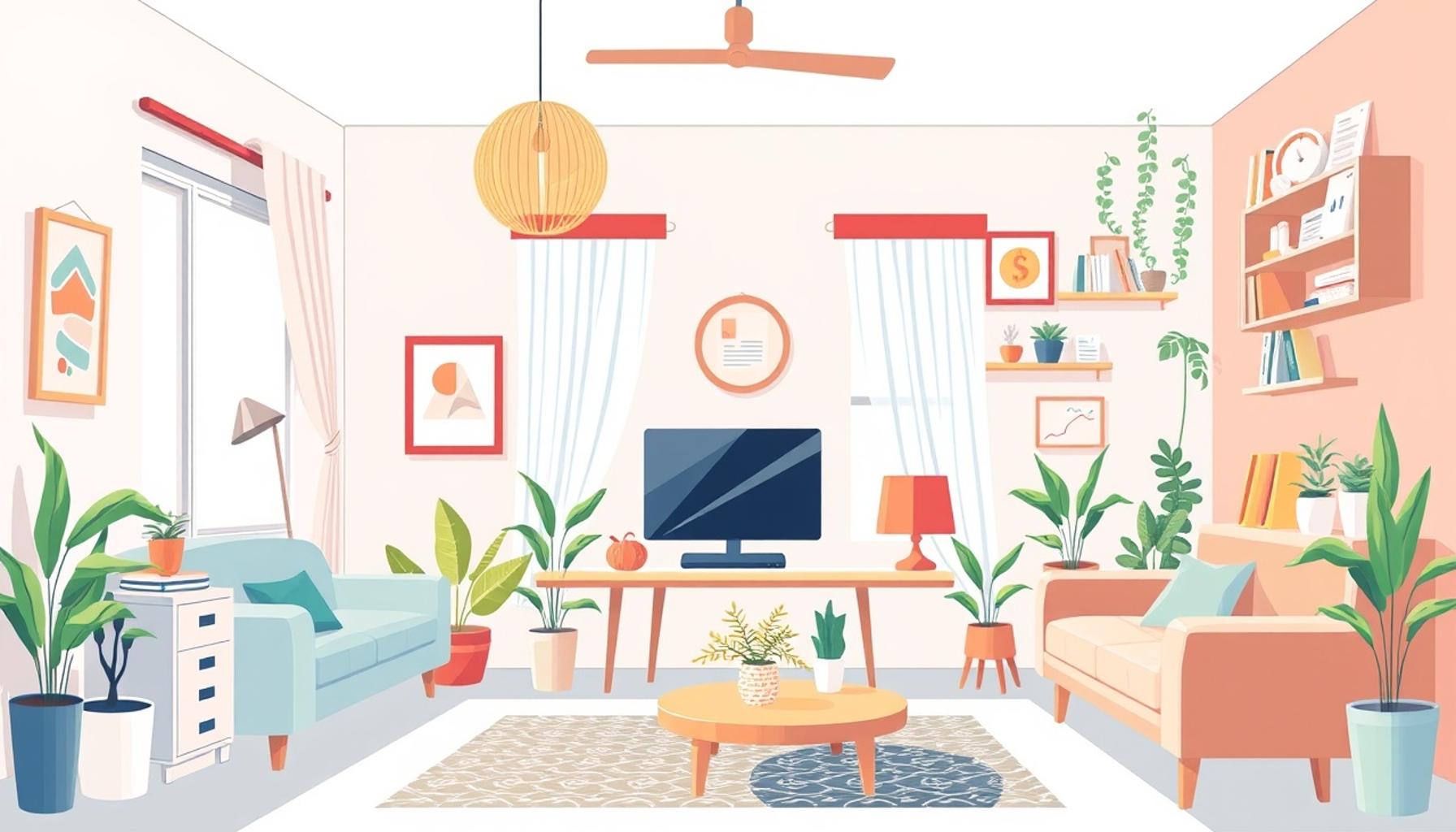
Embracing Minimalism in Our Living Spaces
In today’s fast-paced world, many people are seeking a retreat into open spaces that promote a sense of calm and functionality. This desire for peace often drives individuals to reevaluate their living environments, leading them toward a minimalist lifestyle. Minimalism goes beyond aesthetics; it is a profound lifestyle choice that invites simplicity into our daily routines and mental landscapes.
Creating a minimalist and functional living environment enables us to make deliberate choices about what we keep and how we live. This intentionality can transform our homes into sanctuaries of tranquility and organization. As we delve into the key elements and benefits of minimalist living, we see that such transformations can also stimulate greater creativity and mental clarity.
Key Elements of Open Spaces
- Decluttered Areas: An essential component of minimalism is the act of decluttering. This process involves thoughtfully removing excess belongings which can stifle movement and overwhelm the senses. Consider adopting the “one-in, one-out” rule: for every new item you bring home, eliminate one that no longer serves you. This small practice can keep spaces free from unnecessary clutter.
- Natural Light: Emphasizing natural light not only brightens a room but also enhances mood. Maximizing windows and choosing lighter paint colors can significantly illuminate spaces, making them feel larger and more inviting. For example, sheer curtains allow sunlight to flow in while maintaining privacy, a simple yet effective solution for many homeowners.
- Multi-Functional Furniture: The incorporation of multi-functional furniture is a hallmark of effective minimalist design. Furniture pieces that serve multiple purposes, such as a sofa bed or a coffee table with storage, help to optimize limited space while providing functional value. These pieces allow for a versatile environment, accommodating various activities without cluttering the living area.
Such deliberate choices not only elevate the aesthetic of your home but also contribute to a more sustainable way of living. By investing in fewer, high-quality items, we reduce waste and promote environmental consciousness.
The Benefits of Minimalism
- Enhanced Focus: A clutter-free environment helps clear the mind. Research shows that visual distractions can hinder concentration. By minimizing visual chaos, you can facilitate deeper focus on tasks at hand, leading to a more productive lifestyle.
- Lower Stress Levels: Simplified living spaces are inherently easier to maintain. A clean and organized area can reduce feelings of anxiety often associated with disarray. For instance, studies suggest a direct correlation between organized living spaces and lower stress levels, promoting overall mental well-being.
- Increased Productivity: A reduction in clutter can significantly boost efficiency. In workplaces as well as homes, less clutter translates to more focus on priorities, fostering a productive environment during both work and leisure activities.
Delving into the concept of open spaces could inspire your next home makeover or remodel. As you explore these elements of minimalism, consider how small changes in your living environment can have profound impacts on your daily life, nurturing both calmness and creativity. Embracing simplicity might just be the answer to navigating the complexities of modern life.
DISCOVER MORE: Click here to dive deeper
Designing Your Open Space: Practical Steps
As we move deeper into the realm of open spaces and minimalist design, the focus shifts from mere concepts to practical implementations. Optimizing your living environment requires a mindful approach to how each area is utilized and arranged. By embracing a few key strategies, you can turn your home into a harmonious blend of functionality and aesthetics, effectively creating a sanctuary that caters to your needs while promoting a relaxing atmosphere.
Strategic Layout Planning
One of the most significant elements of creating an open space is how you arrange your furniture and belongings. Strategic layout planning not only aids in maximizing square footage but also facilitates better traffic flow throughout your home. Here are some considerations to keep in mind:
- Define Zones: Even in an open layout, it’s beneficial to identify different areas for various activities. Designate spaces for relaxation, work, and socialization, using furniture placement or area rugs to demarcate these zones. This approach maintains a sense of organization and purpose, important for any minimalist environment.
- Open Sightlines: When planning your layout, ensure that sightlines are as clear as possible. Avoid obstructing views with bulky furniture or excessive decor. Clear views from one area to another enhance the feeling of spaciousness and keep the atmosphere light and airy.
- Proportional Furniture: The scale of your furniture greatly impacts the perception of space. Choosing appropriately sized pieces for your specific areas prevents overcrowding. Look for streamlined, low-profile furniture that adds style without dominating the room.
These layout considerations not only foster a sense of openness but also promote a serene environment. Every piece of furniture should serve a purpose, adding to the overall functionality without creating unnecessary complexity.
Incorporating Nature
Bringing elements of nature indoors has transformative effects on the ambiance of any living space. Nature not only enhances aesthetic appeal but also nurtures mental well-being. Consider the following suggestions:
- Indoor Plants: Adding greenery can immediately uplift a room’s energy. Consider low-maintenance options like snake plants or zz plants, which purify the air while requiring minimal care. Position them near windows to maximize both beauty and natural light.
- Natural Materials: Incorporate natural materials like wood, stone, and bamboo into your design. These elements create warmth and texture, promoting a balanced atmosphere that feels connected to the outdoors. For instance, a reclaimed wood coffee table or stone accents can serve as stunning focal points while reinforcing a minimalist aesthetic.
- Large Windows or Glass Doors: If possible, maximize natural light by including large windows or sliding glass doors. These features not only flood your living area with light but also create a seamless connection between indoor and outdoor spaces.
Embracing natural elements can foster tranquility and deepen your connection to your environment, further enhancing the principles of minimalism in your living space. By implementing these design strategies, you can create a harmonious, functional environment that invites relaxation and clarity into your everyday life. As you proceed with your journey toward a minimalist lifestyle, remember that every small detail contributes to the larger experience of simplicity and openness.
In the realm of modern interior design, the theme of Open Spaces embodies the core principles of minimalism and functionality. By emphasizing spaciousness and simplicity, this design approach fosters a serene atmosphere that reflects contemporary lifestyles.
Benefits of Open Spaces
The integration of open spaces in living environments serves several critical purposes:
| Category 1 | Category 2 |
|---|---|
| Spaciousness | Enhances airflow and natural light, creating a breathable living environment. |
| Functionality | Promotes efficient use of space, allowing for multi-purpose areas that adapt to various needs. |
Moreover, open spaces are becoming increasingly popular for their ability to eliminate physical and psychological barriers within homes. By merging different areas into a cohesive layout, residents can experience a greater sense of unity and connection. This setup not only benefits individual well-being but can also foster a more inclusive atmosphere for family gatherings and social interactions.
Through careful planning and the strategic use of furniture, individuals can create a harmonious balance that serves both aesthetic and practical purposes. Navigating through your living space, free from unnecessary clutter, becomes a liberating experience, making the concept of Open Spaces not just a trend but a way of life.
DON’T MISS OUT: Click here to discover how simplicity can enhance your daily efficiency
Emphasizing Functionality through Multi-Use Furniture
In the quest for an open space environment, the significance of furniture that serves multiple purposes cannot be overstated. In a world where urban living often confines us to smaller dwelling spaces, the adoption of multi-use furniture pieces is an essential strategy for achieving a minimalist, functional living area. This approach not only maximizes utility but also simplifies the overall look of your space, reinforcing a sense of calm and order.
Innovative Furniture Solutions
Today’s market offers a plethora of innovative furniture solutions that blend style and functionality. Here are a few ideas to consider:
- Convertible Sofas: A sofa that doubles as a bed provides versatile use, especially for those who accommodate guests. Brands like IKEA have affordable options that transform seamlessly, allowing you to maintain your space’s minimalist aesthetic while offering comfort and practicality.
- Storage Ottomans: These multi-functional pieces serve as both seating and storage, helping to keep clutter at bay. Style your living space with chic upholstered ottomans that can house blankets or magazines, making them practical without sacrificing design.
- Expandable Dining Tables: Perfect for smaller living areas, expandable or drop-leaf dining tables allow flexibility when entertaining guests. This adaptability makes it easy to accommodate both daily meals and larger gatherings without dedicating unnecessary space to a bulky table.
Incorporating such functional pieces fosters a lifestyle that prioritizes simplicity while still allowing for versatility and comfort.
Adopting Decluttering Strategies
In the realm of minimalism, decluttering is a cornerstone practice that enhances both physical space and mental clarity. Effective decluttering revolves around making intentional choices regarding the items you keep within your living space. Consider these strategies to get started:
- The One-In, One-Out Rule: For every new item you bring into your home, commit to removing one. This practice not only curbs accumulation but also encourages mindful purchasing, steering you away from impulse buys that clutter your space.
- Seasonal Purging: Regularly assess your belongings. Designate certain times of the year, perhaps during spring cleaning or the holiday season, to evaluate what you truly need and use. This ongoing process keeps clutter at bay and reinforces an uncluttered lifestyle.
- Embrace a Minimalist Mindset: Shift the focus away from accumulation and toward quality. Invest in fewer, high-quality items that offer both beauty and utility. This mindset not only fosters a cleaner environment but also enhances your appreciation for the things you own.
By adopting these decluttering strategies, you create an atmosphere that is not only visually appealing but also inviting and functional. Remember, the goal is to maintain ease while surrounding yourself with objects that contribute positively to your living experience.
Utilizing Color and Light Wisely
Color and natural light play significant roles in establishing the overall sense of openness in a minimalist environment. The way a room is painted and illuminated can greatly influence how spacious it feels. Here are key considerations to apply:
- Light Color Palettes: Opt for light and neutral color palettes, such as whites, creams, or soft grays. These shades reflect light and create a sense of airiness, promoting a serene atmosphere devoid of visual clutter.
- Strategically Placed Mirrors: Incorporating mirrors reflects both light and space, creating the illusion of a larger area. Position mirrors opposite windows or light sources to maximize this natural effect.
- Layered Lighting: A combination of ambient, task, and accent lighting can enhance the functionalities of different spaces. Consider floor lamps, pendant lights, and sconces that work harmoniously together to create depth and warmth without overpowering the minimalist feel.
By making thoughtful choices regarding color and light, you can significantly impact the overall ambiance, making your open space feel even more inviting and expansive. Embracing these design principles results in a living environment that prioritizes functionality and aesthetic beauty, hallmarks of an effective minimalist approach.
DISCOVER MORE: Click here to unlock the secrets of an efficient daily routine.
Conclusion: Embracing the Open Space Philosophy
In an era where space is often a luxury, the pursuit of open spaces that embody minimalism and functionality emerges as a vital aspect of modern living. By embracing strategies that prioritize multi-use furniture, effective decluttering, and wise use of color and light, individuals can cultivate living environments that reflect not just their personal style but also enhance their overall well-being. The integration of convertible furniture and smart storage solutions not only maximizes utility within confined spaces but also maintains a visually pleasing aesthetic.
Moreover, adopting a minimalist mindset encourages intentional living, prompting us to evaluate the significance of our belongings and the impact they have on our environment. This thoughtful approach fosters a sense of ease and clarity, creating spaces that resonate with tranquility rather than chaos. Utilizing light color palettes and mirrors can amplify this effect, transforming a compact area into a vibrant haven full of life and warmth.
As urban dwellings continue to evolve, understanding the essence of creating functional living spaces becomes increasingly important. Those willing to invest time in refining their environments will not only enjoy the benefits of enhanced simplicity but will also experience deeper satisfaction in their daily lives. Ultimately, embracing the principles of an open space lifestyle provides the opportunity to live more intentionally while savoring the comfort and beauty that minimalism can bring to our homes.

Beatriz
Beatriz Johnson is a seasoned financial analyst and writer with a passion for simplifying the complexities of economics and finance. With over a decade of experience in the industry, she specializes in topics like personal finance, investment strategies, and global economic trends. Through her work on our website, Beatriz empowers readers to make informed financial decisions and stay ahead in the ever-changing economic landscape.