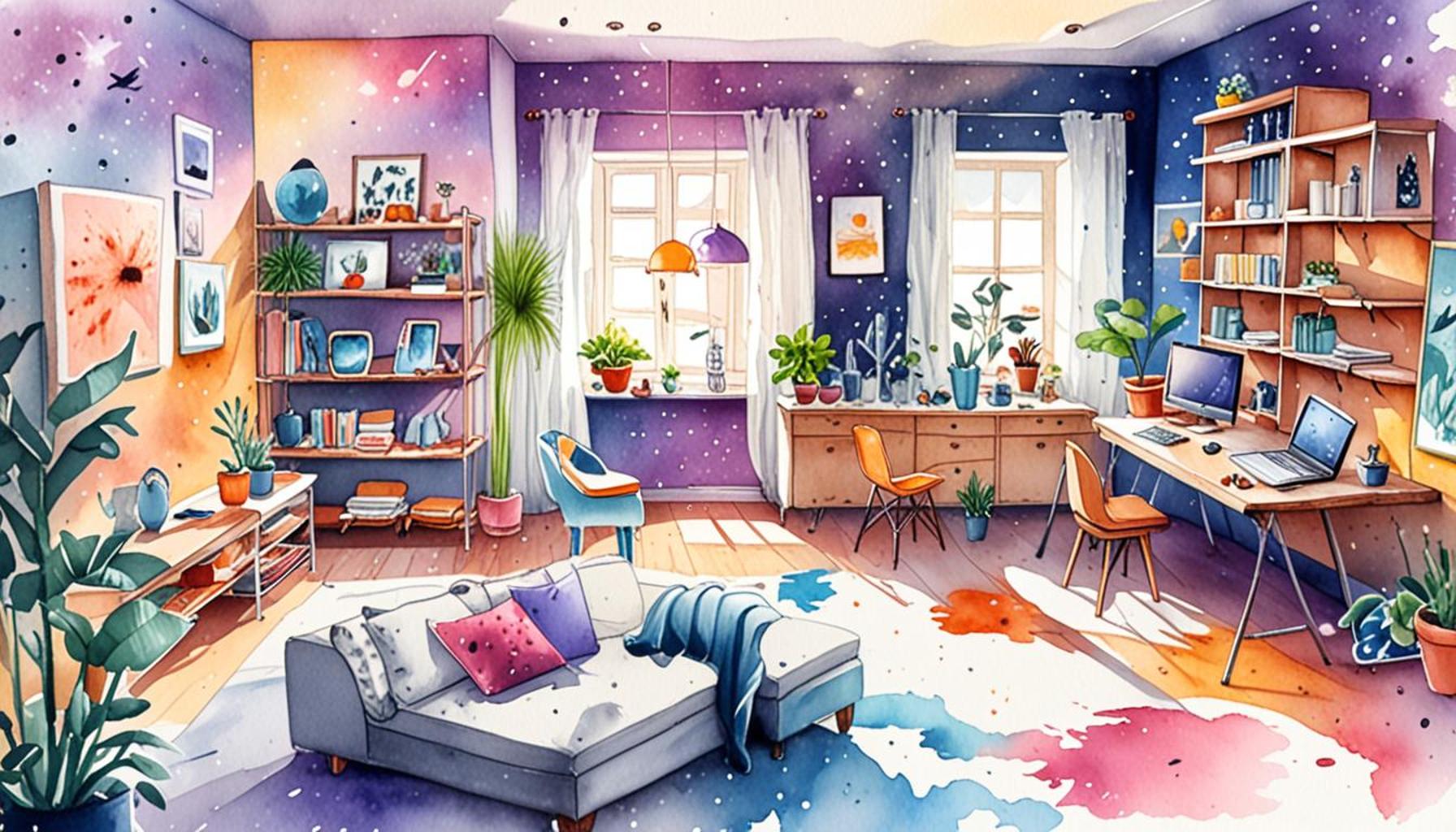
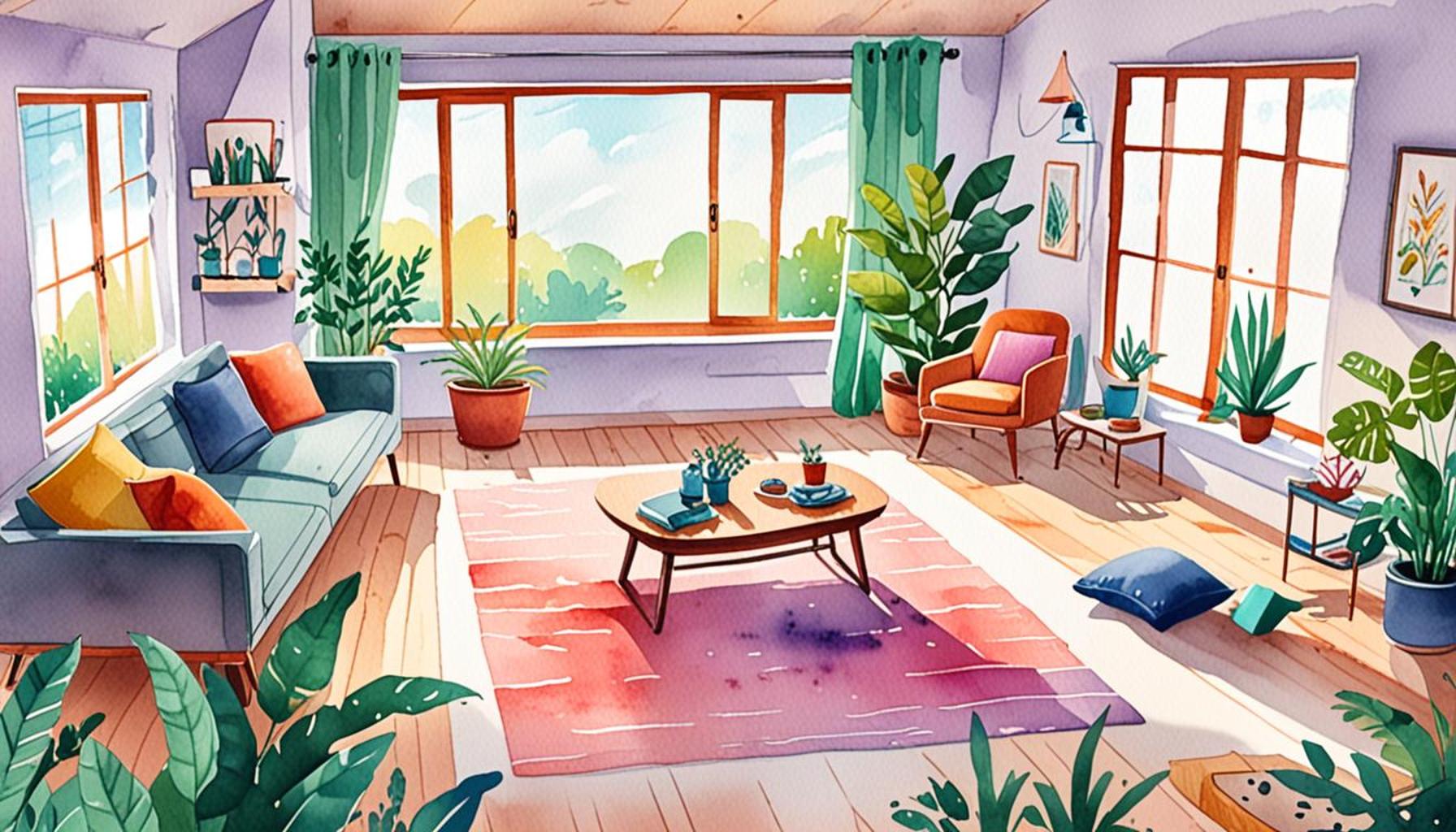
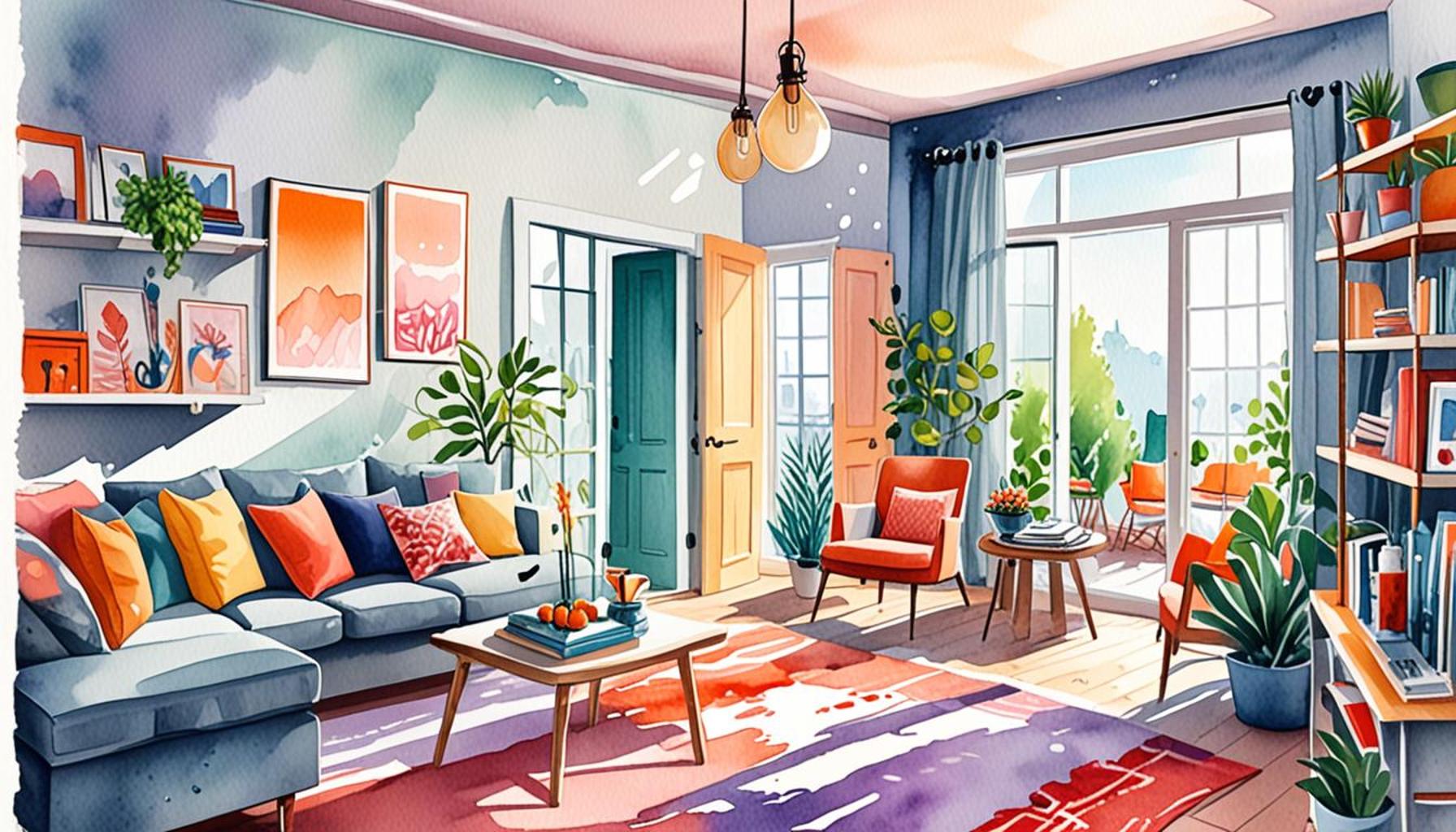
Multifunctional Spaces: Transforming Environments with Principles of Minimalism and Optimization
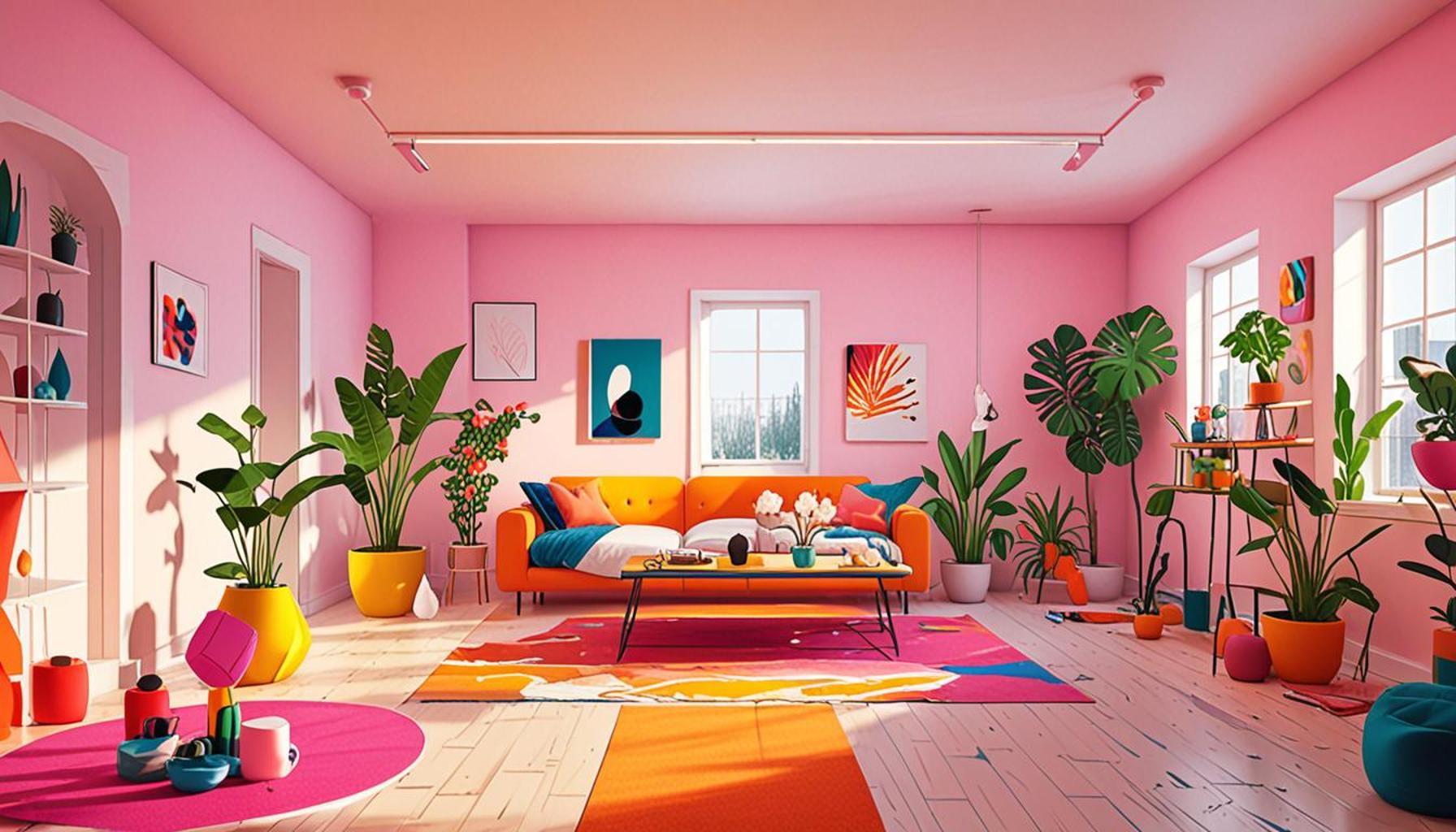
Exploring the Versatility of Multifunctional Spaces
As our urban landscapes continue to change, the design paradigm is shifting towards environments that are not only aesthetically pleasing but also efficient and adaptable. The need for multifunctional spaces in homes, offices, and public places is becoming increasingly apparent, driven by urbanization, economic pressures, and a growing appreciation for minimalist living. These spaces are designed to fulfill multiple functions, often within the same physical area, thereby maximizing their utility.
One of the standout features of multifunctional spaces is flexible furniture. Think of sleek, collapsible tables that can transform from a study desk during the day to a dining setting for evening gatherings. Modular sofas that can be reconfigured to suit different seating arrangements provide comfort while adapting to various social scenarios. In small apartments, items like foldable desks and Murphy beds not only save space but also eliminate the clutter that comes with traditional, fixed furniture layouts.
Alongside flexible furniture, smart technology plays a vital role in enhancing the functionality of spaces. Imagine a home equipped with smart lighting that can adjust to the time of day or the mood, creating an inviting atmosphere for both work and leisure. Climate control systems that learn from your habits contribute to energy efficiency, reducing bills, and environmental impact. Such technology not only simplifies day-to-day living but also encourages a more sustainable lifestyle.
The Importance of Multipurpose Rooms
Choosing to design multipurpose rooms is a trend that reflects the modern approach to living and working. These areas can transform a basic living room into a multifunctional space where residents can work, relax, entertain, and even practice hobbies. For instance, a spare bedroom can double as a serene home office and a cozy guest room, allowing homeowners to adapt their environment seamlessly as needs change.
The advantages of implementing these designs extend beyond mere visual appeal and practical use. Multifunctional spaces can enhance productivity by reducing distractions found in more traditional setups. With an organized, adaptable environment, individuals can focus better on tasks ranging from work to leisure activities. Furthermore, the eco-friendliness of these designs cannot be overlooked. By decreasing the footprint of living and working environments, we reduce resource consumption and contribute positively to sustainability efforts.
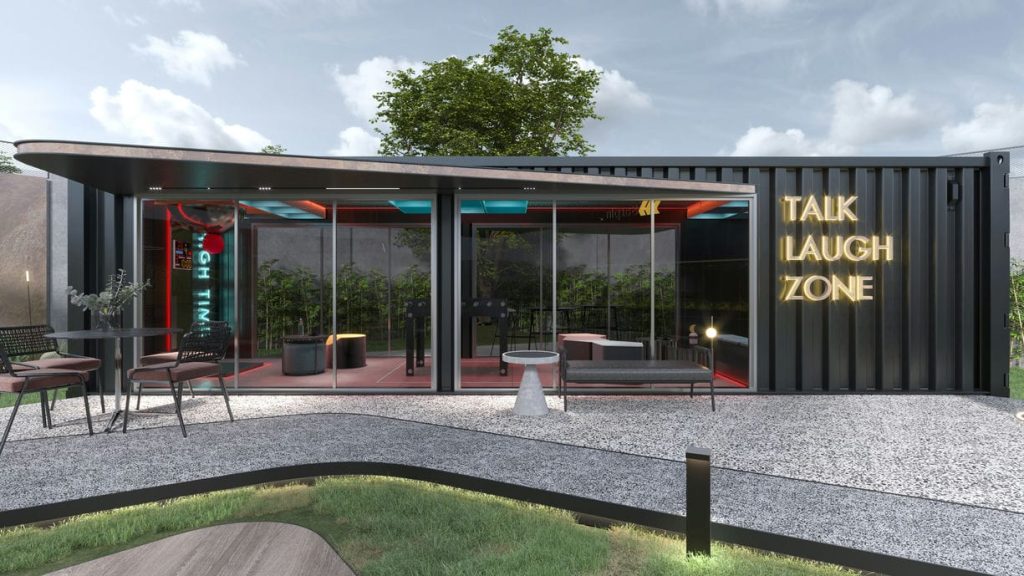
Promoting Wellbeing through Thoughtful Design
Finally, let’s not forget the impact of thoughtful design on wellbeing. A curated space that promotes creativity and relaxation can significantly improve mental health. Natural light, proper ventilation, and organized layouts work together to foster an environment conducive to both productivity and peace. As urban dwellers increasingly seek out spaces that contribute to their quality of life, multifunctional designs become not just a trend, but a necessary evolution.
In a time where living in smaller, more efficient spaces is on the rise, understanding the significance and functionality of multifunctional spaces is essential. As we continue to explore innovative solutions, we can reshape our interactions with our environments, ultimately leading to enhanced daily experiences and a better quality of life.
DISCOVER MORE: Click here for simple mindfulness practices
Redefining Space with Flexible Solutions
As the concept of multifunctional spaces gains traction, we find ourselves embracing innovative ideas that maximize utility. The principle of minimalism, along with optimization strategies, goes beyond aesthetics and delves into the spirit of efficiency. Every inch of space counts in an increasingly crowded world, and this is where the essence of thoughtful design comes into play. Multifunctional spaces respond to the demands of urban living by seamlessly blending various functions into one adaptable area.
One of the quintessential strategies for achieving multifunctionality involves the ingenious use of transformative furniture. Furniture that serves dual purposes, such as ottomans that double as storage or coffee tables that can elevate into dining surfaces, are now gaining popularity. Homeowners can enjoy the flexibility of shifting the space from casual to formal within moments. Furthermore, with smart designs, furnishings are becoming even more user-friendly; they can integrate storage solutions without compromising style.
Recent studies show that up to 65% of urban dwellers feel restricted by limited space in their homes. This has fueled a demand for brands that innovate furniture suited for smaller apartments or shared living. Here are a few examples of how multifunctional furniture can optimize space:
- Convertible sofas: These not only provide seating but also transform into beds for overnight guests, minimizing the need for a separate guest room.
- Fold-down desks: Wall-mounted desks that can be hidden when not in use help maintain an organized environment, perfect for those working from home.
- Nested tables: Allowing flexibility for various gatherings, these tables can be compactly stored together or expanded when needed.
Maximizing Utility through Smart Technology
In addition to flexible furniture, the advent of smart technology is revolutionizing the way we interact with our living and working spaces. By integrating home automation systems, individuals can tailor their environments to meet their specific needs. For instance, programmable lighting systems can create different atmospheres depending on the time of day, making spaces feel more welcoming for both work and relaxation.
Moreover, energy-efficient appliances can be remotely controlled, allowing for optimal power consumption and significant savings on utility bills. This harmony between technology and space optimization not only enhances the quality of living but also contributes to sustainability goals by lowering one’s carbon footprint.
Ultimately, embracing multifunctional design principles represents more than just a trend; it aligns with a pragmatic approach where every space serves a purpose. As individuals become increasingly conscious about their environments, multifunctional spaces emerge as a beacon of innovation in an otherwise chaotic urban landscape. By stripping back excess and focusing on quality and flexibility, it is possible to cultivate spaces that are not only functional but also harmoniously enhance one’s lifestyle.
Exploring the Essence of Multifunctional Spaces
Multifunctional spaces represent a groundbreaking shift in design philosophy, emphasizing the integration of various functions within a single environment. As urban living spaces become increasingly compact, the concept of multifunctional design is more relevant than ever. It is about creating environments that serve multiple purposes while adhering to the core principles of minimalism and optimization. Minimalism, often described as a lifestyle choice, encourages the elimination of excess to focus on what is truly necessary. This principle is applied in multifunctional spaces to create uncluttered, harmonious environments that enhance the user experience. By prioritizing essential elements, these spaces offer enhanced aesthetics and functionality—a marriage of beauty and purpose.Incorporating optimization techniques means leveraging every square foot smartly. With elements like multi-use furniture—think sofa beds or extendable dining tables—these spaces are designed to adapt to different activities, whether it be entertaining guests, working from home, or enjoying quiet leisure time. Let’s delve into a brief overview of the advantages of these innovative spaces.
| Advantages | Features |
|---|---|
| Maximized Space | Allows for flexible use, accommodating different activities without feeling cramped. |
| Cost Efficiency | Reduces the need for multiple specialized spaces, saving on construction and maintenance. |
As we continue to embrace a world where adaptability is key, understanding these principles will help us design spaces that are not just functional but also elevate our quality of life through thoughtful, minimalist design. Each function seamlessly integrates, offering an environment that is well-optimized and enriched by simplicity. With sustainability at the forefront of modern design, multifunctional spaces pave the way for a more efficient and aesthetically pleasing future.
DISCOVER MORE: Click here to learn about organization and sustainability
Creating Harmony through Design Principles
The shift towards multifunctional spaces is not merely about practical solutions; it’s an exercise in holistic design that emphasizes balance, harmony, and meaning. By stripping away unnecessary clutter and prioritizing simplicity, we can create environments that promote mental clarity and well-being. With an increasing number of Americans working from home or studying remotely, the need for adaptable spaces has surged significantly. The design principles that encapsulate minimalism are instrumental in this transformation, allowing individuals to feel more organized and less overwhelmed by their surroundings.
One such design principle hinges on the idea of zoning within multifunctional spaces. This approach involves delineating areas for specific activities, even in compact living spaces. For instance, a combined living and working area can utilize rugs or furniture arrangement to create visual boundaries—designating a cozy nook for relaxation, while ensuring the workspace remains functional and distinct. This not only maximizes utility but enhances focus and productivity.
Recently, the concept of multifunctional spaces has also ventured outdoors, with the advent of flexible gardens and rooftop terraces that can serve multiple purposes. These spaces can host everything from outdoor dining and relaxation zones to urban gardening. According to a report by the American Society of Landscape Architects, urban gardens can improve community interaction and even contribute to overall mental well-being, underlining how multifunctionality extends beyond our interiors.
Embracing Sustainability in Multifunctional Design
The push for sustainability in design further reinforces the principles behind multifunctional spaces. The integration of sustainable materials—such as reclaimed wood, recycled metals, and organic textiles—ensures that while creating spaces that serve multiple functions, we can also reduce our environmental impact. For instance, furniture brands like IKEA have launched collections that emphasize modular designs crafted from eco-friendly materials, allowing customers to adapt items to their changing needs while remaining mindful of their ecological footprint.
Moreover, biophilic design, which incorporates natural elements into living spaces, is becoming integral to multifunctional spaces. From incorporating indoor plants to utilizing natural lighting, biophilic design principles serve to enhance both the aesthetic experience and the physical well-being of inhabitants. Numerous studies have shown that exposure to greenery can reduce stress and increase productivity—qualities highly coveted in multifunctional environments.
As we venture deeper into the 21st century, the exploration of multifunctional spaces reveals an exciting synthesis of design and human experience. With the rise of technology and sustainable practices, the potential for these innovative spaces continues to expand, promising new possibilities for the future of urban living. Much like a Swiss Army knife—with each tool serving a distinct yet complementary function—multifunctional spaces embody a spirit of versatility and creativity that caters to the diverse needs of modern life.
DIVE DEEPER: Click here to uncover more insights
Conclusion: The Future of Space Design
The evolution towards multifunctional spaces highlights a significant shift in how we perceive and utilize our environments. Emphasizing principles of minimalism and optimization, these designs cater not only to the practical demands of modern life but also to the innate desire for simplicity and calm. Today’s urban lifestyles often require adaptability, and multifunctional spaces fulfill this requirement by offering flexibility in both residential and commercial settings.
As we find ourselves in a world increasingly influenced by remote work and a growing emphasis on sustainability, the relevance of these spaces becomes more pronounced. By integrating sustainable materials and biophilic design elements, such as greenery and natural light, we can create environments that not only serve diverse functions but also enhance our overall well-being and productivity. The synergy between function and aesthetic can lead to improved mental health and a deeper connection with our surroundings.
Looking ahead, the transformative power of multifunctional design offers a promising glimpse into the future of living and working spaces. It invites us to reconsider how we use the space we inhabit, advocating for creations that support an efficient lifestyle while fostering personal expression. As cities continue to grow and evolve, embracing the principles of multifunctionality will be essential in shaping sustainable, livable environments that meet the diverse, ever-changing needs of their inhabitants. In this light, multifunctional spaces may not merely be a trend but a cornerstone of future urban design.