Minimalist Living Spaces: How Simple Decor Can Contribute to Stress Reduction and Increase Well-Being
Understanding Minimalism in Home Decor
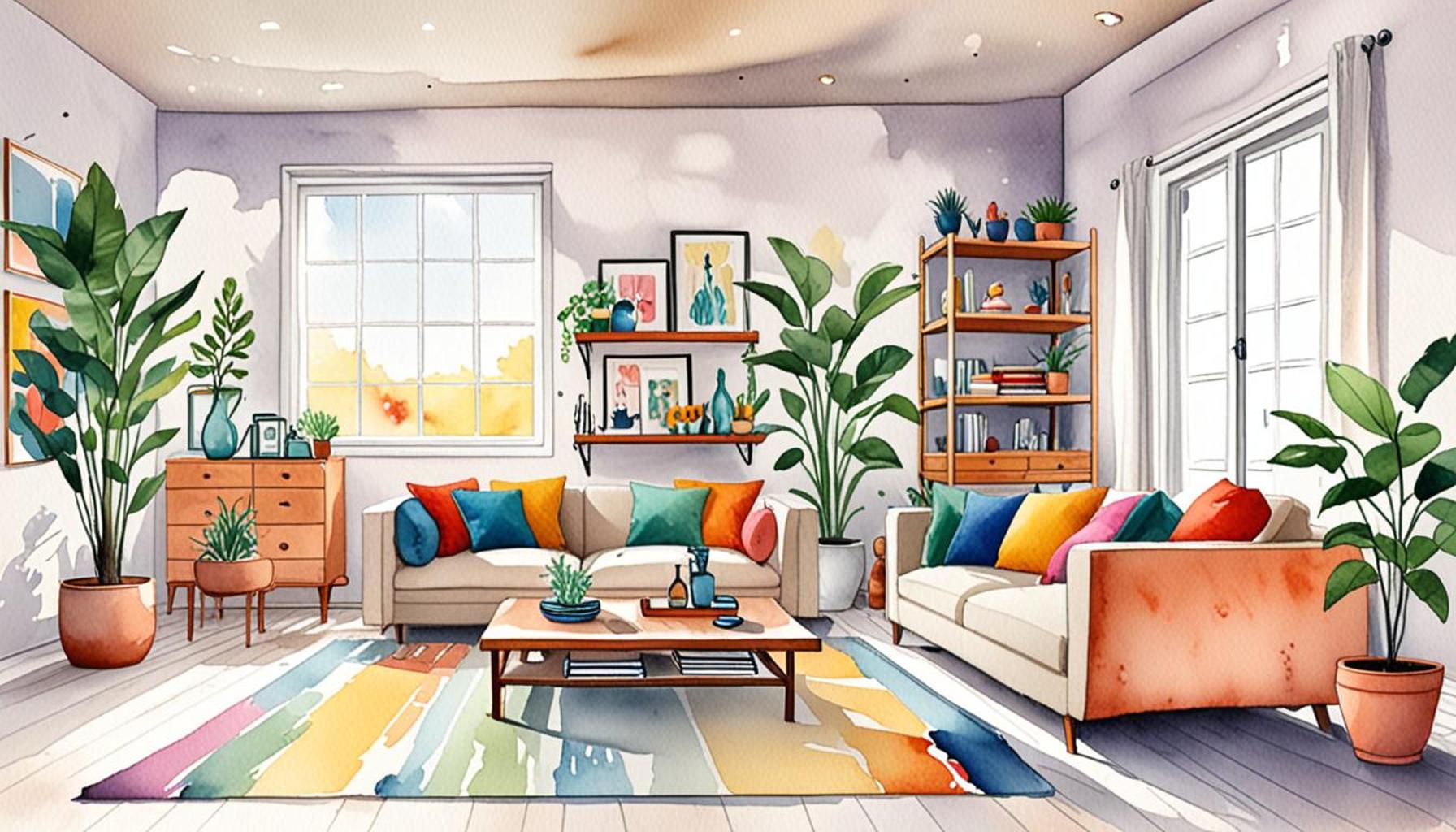
The modern world can often feel overwhelming, with constant stimuli and hectic lifestyles. As a response, many are turning to minimalist living spaces, where simplicity reigns and clutter diminishes. This intentional approach to home decor not only creates a sense of calm but also significantly impacts mental well-being.
Embracing minimalist decor offers numerous benefits, such as:
- Reduced Stress: A simplified environment leads to less visual clutter, promoting tranquility. Evidence suggests that environments filled with chaos can increase levels of cortisol, the stress hormone. By opting for fewer items and more open space, individuals can cultivate an atmosphere that alleviates anxiety and enhances relaxation.
- Increased Focus: Minimalist spaces can enhance concentration, allowing for better productivity. Research shows that individuals working in organized and uncluttered environments tend to produce higher quality work and experience fewer distractions, ultimately leading to greater job satisfaction.
- Improved Mood: Clean lines and open spaces often evoke positivity and peace. A thoughtfully curated space can promote a sense of stability and comfort, which is especially important during troubling times or when dealing with life’s pressures.
In the United States, the trend towards minimalism is gaining traction, influenced by various factors. The growing interest can be traced to several impactful sources:
- Documentaries and books highlighting the benefits of simplified living, such as “Minimalism: A Documentary About the Important Things,” which elucidates the liberating aspects of shedding material excess.
- Social media platforms showcasing aesthetic minimalist designs, particularly on sites like Instagram and Pinterest, where users share their transformative journeys, inspiring others to rethink their living spaces.
- The growing awareness of mental health and wellness practices, which has made many people more mindful about their living environments and the psychological ramifications of their possessions.
From decluttering your home to choosing versatile furniture, the principles of minimalism encourage individuals to prioritize what truly matters. For instance, investing in multifunctional furniture, like a sleek coffee table that converts into a desk, can optimize space while maintaining a clean aesthetic. Furthermore, streamlining your belongings not only lightens your physical load but also nurtures a more profound emotional clarity.
This article will explore how simple decor can not only refresh your living space but also serve as a powerful tool for stress reduction and overall well-being. By embracing minimalism, you can foster an environment that not only represents you but also contributes positively to your mental health, making it a worthy pursuit in today’s frenetic world.
DISCOVER MORE: Click here to optimize your workspace
Creating Peaceful Environments Through Minimalism
The transition to a minimalist living space involves more than just removing excess items; it requires a strategic approach to both design and functionality. As individuals assess what is essential, they discover that a well-thought-out decor can significantly influence their overall well-being. This foundational aspect of minimalist living encourages a deeper appreciation for quality over quantity, transforming mere aesthetics into a tool for enhancing mental health.
One key principle of minimalism is the concept of intentionality. Every item in your space should serve a purpose, bringing either functionality or joy. To apply this in practice, consider evaluating your belongings with these questions in mind:
- Does this item bring me joy? If it doesn’t evoke positive feelings, it may be time to part with it.
- Do I use this regularly? Functional items that enhance daily life are essential in a minimalist setting.
- Can this serve multiple purposes? Look for versatile items that can adapt to various functions, such as a sofa bed or nesting tables.
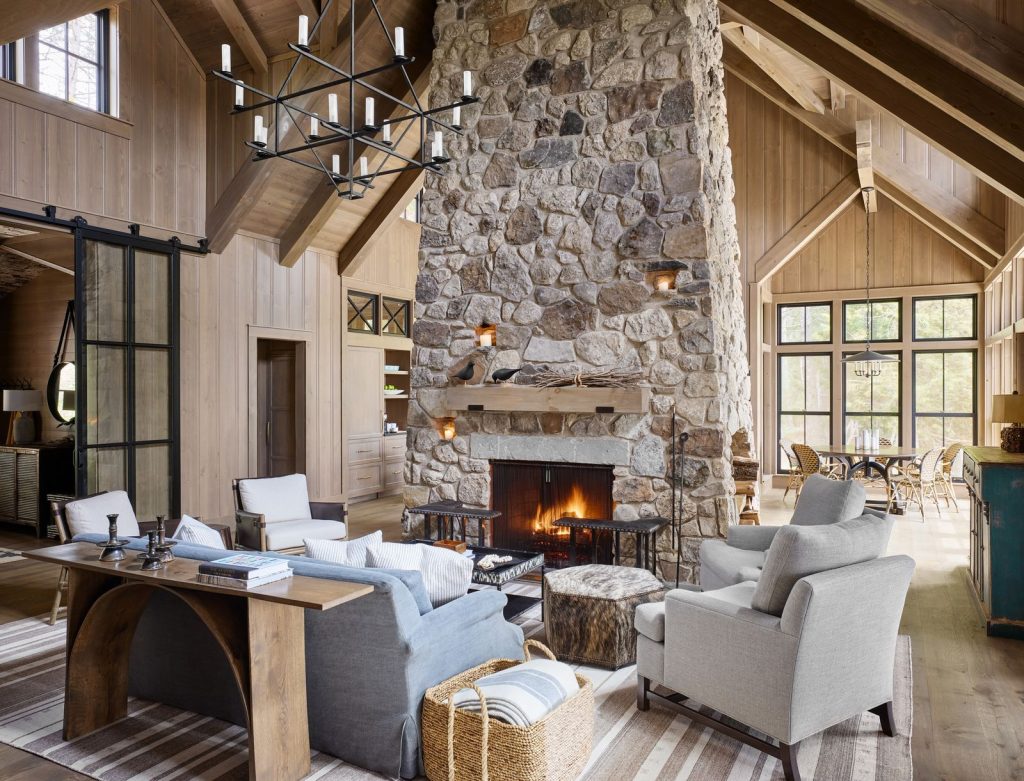
Incorporating these principles can start with a particular room or zone within the home, such as the living room. A minimalist living room typically features neutral color palettes and a few well-chosen decorative elements. This simplicity allows the mind to focus more on conversations and interactions rather than being sidetracked by excessive decor. According to a study conducted by the American Psychological Association, environments that minimize distractions can lead to improved cognitive performance and emotional clarity, showcasing the psychological benefits of a clutter-free zone.
Moreover, natural light plays an integral role in fostering a serene atmosphere. Minimalist designs often capitalize on open spaces and large windows to invite natural light, which has been linked to enhanced mood and energy levels. Regular exposure to sunlight can elevate serotonin levels, contributing to an overall sense of happiness. Adding indoor plants as part of the decor not only enhances aesthetic appeal but also improves air quality and contributes to stress reduction. Studies show that being around greenery can promote feelings of calm and reduce anxiety.
On the technological front, incorporating smart home solutions can further streamline daily routines. Devices that control lighting, climate, and security can be integrated into the minimalist approach, providing convenience without clutter. By simplifying management tasks through technology, individuals gain mental bandwidth for more fulfilling pursuits, enhancing overall well-being.
Understanding the relationship between minimalism and stress reduction is vital for anyone seeking to cultivate a peaceful living environment. By prioritizing what remains in the space, individuals can create an atmosphere that reflects clarity and calmness, ultimately fostering improved mental health. The journey towards a simpler, more intentional decor is not merely a design choice; it can lead to significant lifestyle changes, promoting a balanced approach to modern living.
Exploring the Benefits of Minimalist Living Spaces
Minimalist living spaces promote a sense of tranquility and focus. The concept of decluttering your environment aligns with the idea that less is more, particularly in terms of enhancing mental well-being. By eliminating unnecessary items and opting for simple decor, individuals can reduce distractions and create a peaceful atmosphere that fosters relaxation and mindfulness. Research has shown that cluttered spaces are associated with increased stress levels; therefore, adopting a minimalist approach can help individuals cultivate a serene sanctuary in which they can thrive.
Psychological Clarity Through Simplicity
A minimalist approach to decor not only simplifies physical surroundings but also creates mental clarity. This straightforward aesthetic can lead to a more focused mindset, allowing individuals to concentrate on what truly matters. Without the chaos of excessive decorations, individuals often find it easier to engage in self-reflection and mindfulness practices, contributing to improved emotional well-being. The clean lines and muted colors typical of minimalist design can evoke feelings of calmness, further enhancing one’s capacity for relaxation and enjoyment of daily activities.
| Category | Benefits |
|---|---|
| Emotional Clarity | Promotes focus and awareness, reducing anxiety. |
| Stress Reduction | By eliminating clutter, one can enhance relaxation and peace of mind. |
As minimalist living spaces encourage intentionality in both design and life, embracing this lifestyle choice can lead to greater happiness and fulfillment. Adopting simple decor allows individuals to reconnect with their surroundings and find solace in simplicity, which is central to enhancing overall well-being.
DISCOVER MORE: Click here to uncover creative storage solutions
The Emotional Impact of Minimalist Design
Beyond aesthetic appeal, minimalist design has profound emotional significance that can enhance mental wellness. When individuals curate their living spaces into minimalist havens, they often create a sense of control and serenity amidst the chaos of everyday life. This intentionality allows for an emotional reset, making the dwelling a refuge rather than a source of stress.
One of the most significant aspects of minimalist living is the ability to foster mindfulness. A clutter-free environment naturally invites inhabitants to slow down and be present. Practicing mindfulness in a well-organized space can help individuals cultivate a greater sense of self-awareness, reducing the tendency toward anxiety. In fact, research indicates that mindfulness practices combined with an organized environment can lead to reductions in stress, greater emotional regulation, and improved focus.
To promote this emotional well-being, consider the layout of the living space. A minimalist design often emphasizes open floor plans, where movement throughout the home feels fluid rather than confining. This openness can create feelings of possibility and freedom. According to a survey by the American Society of Interior Designers, 60% of respondents noted that well-designed spaces directly impacted their mood and productivity positively. Space that feels spacious aids in enhancing one’s mindset, leading to a lasting impact on mental health.
Furthermore, color psychology plays an essential role in minimalist decor. Color Schemes found in minimalist interiors tend to lean towards calming hues—soft whites, light grays, and muted greens, which evoke tranquility. Multiple studies support the notion that color impacts emotional reactions. Cooler tones, for instance, create a soothing atmosphere and can help mitigate stress levels, allowing for a more positive living experience.
It is also important to address the concept of personal sanctuary in minimalist living. Dedicate areas within the home to relaxation—perhaps a corner with a comfortable chair and a small bookshelf, or a space outfitted with cozy textiles and warm lighting. These intentional and tranquil zones can act as mental retreats, facilitating restfulness and self-care. According to lifestyle expert Marie Kondo, creating a “joyful space” not only allows for decluttering but also empowers individuals to designate spots for reflection and relaxation, essential for maintaining emotional balance.
Moreover, simplifying interactions with technology contributes to mental clarity. Many minimalist advocates tout the benefits of establishing tech-free zones within the living space. By limiting distractions from screens and notifications, individuals can engage more fully with their surroundings and practice mindfulness more effectively. A report from the Pew Research Center highlights that overuse of technology has been linked to increased anxiety and stress levels, demonstrating the need for moderated digital consumption.
Ultimately, creating a minimalist living space turns the home into a sanctuary that profoundly enhances emotional health. It is a reminder that the journey towards well-being is facilitated not solely by grand gestures, but by the beauty of simplicity and intentionality found in one’s surroundings. Through careful consideration of decor, color, layout, and technology, individuals can build a nurturing environment that promotes stress reduction and enriched well-being.
DISCOVER MORE: Click here to enhance your sleep quality
Embracing Minimalism for a Healthier Mind
In conclusion, the concept of minimalist living spaces is more than just an interior design trend; it is a profound approach to enhancing mental health and promoting overall well-being. By stripping away excess and concentrating on simplicity, individuals can create environments that not only look aesthetically pleasing but also serve as emotional sanctuaries. The correlation between stress reduction and minimalist decor is supported by research, highlighting the importance of mindful interaction with our surroundings. A thoughtfully designed, clutter-free home can significantly decrease feelings of anxiety while fostering a sense of peace and clarity.
Moreover, the psychological effects of color, layout, and intentional spaces cannot be understated. Implementing calming color palettes and open designs encourages presence and mindfulness, leading to a clearer mindset. Establishing personal retreats within the home further facilitates self-care and reflection, vital components for maintaining emotional equilibrium in today’s fast-paced world.
As you contemplate the impact of your living space, consider the benefits of embracing minimalism. Not only could it transform your environment, but it also has the potential to enhance your quality of life by creating a nurturing atmosphere conducive to stress management and mental fortitude. Thus, by diving deeper into the principles of minimalist design, you can uncover newfound pathways to emotional health and serenity, making your living space a true reflection of your well-being.