Minimalism and the Art of Priority: How Focusing on the Essential Can Revolutionize Your Daily Agenda

Embracing Minimalism in a Chaotic World
In today’s fast-paced society, distractions abound. People often find themselves overwhelmed by endless tasks and commitments. Minimalism offers a beacon of clarity, teaching us to streamline our priorities and focus on what truly matters, amidst the incessant noise of daily life.
Why Focus on the Essential?
Many individuals struggle to manage their daily agendas effectively. To grasp the significance of embracing minimalism, consider the following impacts:
- Reduced Stress: A cluttered environment can lead to a cluttered mind. Studies suggest that physical clutter can increase cortisol levels, the stress hormone. By reducing your physical and mental clutter, you create a serene space that promotes mental well-being.
- Enhanced Productivity: A focused mind can significantly improve outcomes. For example, a study by Dominican University found that individuals who set specific goals were 42% more likely to achieve them than those who did not. By identifying and concentrating on fewer, essential tasks, you create a productive rhythm in your day-to-day life.
- Greater Satisfaction: When you align your activities with your core values, the sense of fulfillment you gain is profound. Engaging in meaningful pursuits—such as spending quality time with family or pursuing passions—leads to a deeper sense of purpose and happiness.
Transforming Your Daily Routine
Implementing a minimalist approach can dramatically change your daily life. Simple steps can revolutionize your agenda and help heighten your overall well-being:
- Identify Core Values: Take time to reflect on what truly matters to you. This might involve journaling or engaging in discussions with trusted friends to distill essential priorities.
- Eliminate Non-Essentials: Saying no is a powerful tool in the minimalist arsenal. Be selective about commitments that drain your energy or distract from your goals. For instance, reducing time spent on social media can free valuable hours that can be better utilized in meaningful activities.
- Streamline Tasks: Prioritize completing significant and impactful tasks first. Arrange your to-do list by importance and tackle high-impact activities when your energy levels are at their peak.
Minimalism is not merely a trend; it is a practical lifestyle that encourages intentional living. By choosing to prioritize what is essential, you can regain control of your time, reduce stress, and create a more enriching life. This philosophy also extends to digital spaces—where simplifying your online presence can lead to a calmer, more focused state of mind.
In a world filled with distractions, minimalism offers a refreshing perspective for those seeking to live deliberately. Consider adopting this approach to find clarity and satisfaction, steering your life towards essential experiences rather than mere busyness. Embrace minimalism, and witness how it can redefine your narrative in a chaotic world.
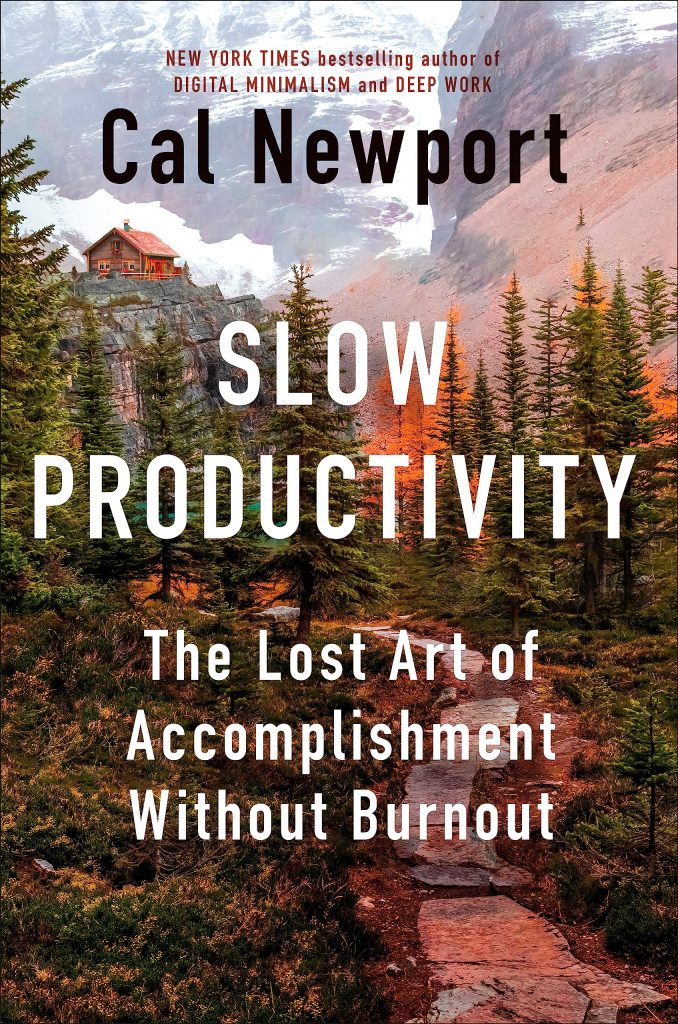
DISCOVER MORE: Click here to find out how to minimize distractions
Finding Clarity Through Minimalism
As the pace of life continues to accelerate, many are left grappling with feelings of overwhelm. The barrage of emails, social obligations, and to-do lists can create a fog that obscures what genuinely matters. Minimalism encourages individuals to sift through this chaos, shedding the non-essential and centering their focus on a few critical priorities. This process not only clarifies goals but also enriches daily experiences.
Understanding Minimalism’s Core Principles
At its core, minimalism is about making deliberate choices that reflect an individual’s values and aspirations. In this context, the practice of minimalism can be broken down into several foundational principles that guide individuals towards a more focused daily agenda:
- Intentional Living: Every action taken should align with one’s overall purpose and values. This means actively choosing which opportunities to pursue based on their alignment with personal goals rather than societal expectations.
- Conscious Consumption: Minimalism prompts a reevaluation of material possessions and commitments. This principle encourages individuals to ask themselves: “Does this item or task add value to my life?” The answers can help eliminate distractions.
- Purposeful Simplicity: It involves stripping away the unnecessary to highlight what is essential. By simplifying one’s surroundings and schedule, mental clarity improves, allowing for sharper focus on prioritized tasks.
Setting Up for Success
By embracing minimalism and prioritizing essential tasks, individuals can take actionable steps to transform their daily routines. Here are several strategies to cultivate a minimalist mindset and enhance productivity:
- Daily Reviews: Set aside a few moments each day to reflect on the day’s accomplishments and challenges. This practice fosters awareness of time management and enables adjustments to better align future actions with core values.
- Weekly Planning Sessions: Devote time each week to map out crucial tasks. By outlining priorities for the week ahead, individuals set the tone for productive days, helping to lessen feelings of being overwhelmed.
- Mindfulness Practices: Incorporate mindfulness techniques such as meditation or deep breathing into daily routines. These practices strengthen an individual’s ability to focus on the present moment and filter out distractions.
Incorporating minimalism into your agenda is not about denying oneself pleasure or experiences; instead, it is about enhancing the quality of those experiences by focusing on what truly matters. With thoughtful implementation, embracing minimalism can become a powerful catalyst, providing clarity and direction in an otherwise chaotic environment. As such, this approach elevates not only productivity but also personal fulfillment.
| Advantage | Description |
|---|---|
| Enhanced Focus | By eliminating distractions, minimalism enables a sharper focus on tasks, leading to higher productivity and efficiency. |
| Stress Reduction | Focusing on essential tasks reduces overwhelm, promoting mental clarity and a sense of calm that enhances overall well-being. |
Engaging with the philosophy of minimalism can lead to numerous transformative effects on your daily agenda. For those overwhelmed by the chaos of modern life, embracing simplicity provides a pathway to clarity and purpose. The practice encourages individuals to critically assess their priorities, discerning what truly matters, and how to streamline their daily activities accordingly.Consider how your schedule often becomes a whirlwind of commitments, many of which may not align with your core values or goals. By integrating minimalism into your planning, those superfluous tasks can be discarded, yielding room for activities that genuinely inspire and drive meaningful progress in your personal or professional life. This shift allows for a more deliberate approach to time management.Additionally, a minimalist approach can enhance creativity. With fewer distractions, your mind can wander freely into new ideas and innovations. This can be invaluable for problem-solving or the pursuit of personal passions that may have been sidelined amidst life’s clutter. Embracing minimalism encourages you to question the necessity of each commitment or possession in your life, ultimately leading to a more intentional existence. In a world where we are often bombarded by choices and demands, prioritizing the essential can not only lead to better organization but also foster a greater sense of satisfaction and fulfillment in our daily lives.
DIVE DEEPER: Click here to discover more about layout planning
A Streamlined Approach to Decision-Making
One of the hallmarks of minimalism is its emphasis on simplifying decision-making processes. With the multitude of choices we face daily, whether in our personal lives, careers, or even during mundane tasks, decision fatigue can set in, leading to less satisfying outcomes. When individuals adopt a minimalist framework, they cultivate a more efficient approach to decisions, allowing them to allocate their mental and emotional resources wisely.
Embracing a ‘Less is More’ Mentality
To illustrate this, consider how a clothing capsule wardrobe serves as an effective minimalism model in decision-making. By limiting wardrobe choices to versatile, essential items, individuals can wake up each day, select outfits with ease, and eliminate the stress associated with overwhelming options. This concept extends into daily tasks as well. For instance, instead of juggling numerous minor tasks, focus on the three most impactful tasks that align with your long-term goals. This practice, often referred to as “The Rule of Three,” emphasizes the art of priority by inspiring individuals to prioritize what matters most.
Automating and Delegating
Another essence of minimalism revolves around automation and delegation. In today’s fast-paced world, our time is an invaluable resource, yet it’s often squandered on repetitive or low-priority tasks. Implementing technological solutions, such as scheduling apps or task management software, can help individuals optimize their time. Automation reduces the cognitive load, allowing people to dedicate their energy to more pressing matters. Additionally, it’s crucial to recognize that not all responsibilities need to be shouldered alone. Delegating tasks—whether at work or home—frees up mental space and increases productivity, creating room for essential tasks.
Prioritizing Downtime for Enhanced Focus
Amidst the hustle and bustle, one of the least appreciated aspects of a minimalist lifestyle is the concept of downtime. In a society that often glorifies busyness, we forget that proper rest is vital for performance and creativity. Setting boundaries to protect leisure time allows individuals to recharge and return to their tasks with renewed focus. Activities such as taking short walks, engaging in hobbies, or simply stepping away from technology lead to improved mental clarity. This refreshed state of mind facilitates better decision-making and prioritization.
Case Studies of Minimalism in Action
Numerous successful individuals have adopted minimalist principles to enhance their productivity. For example, renowned author and entrepreneur Tim Ferriss employs a 4-hour workweek philosophy that prioritizes efficiency and effectiveness over mere busyness. By focusing on the few activities that yield the largest results, Ferriss has been able to create a thriving career while enjoying ample free time. Similarly, technology pioneer and design advocate Steve Jobs was known for his minimalist approach—not only in products but also in daily routines. His signature black turtleneck and jeans served as a means to cut down choices, enabling him to focus on bigger decisions that impacted the future of technology.
The examples set by these figures and the insights gained from minimalism illustrate how essential prioritizing can transform not only schedules but overall quality of life. By embodying these principles, individuals can create a tailored agenda that reflects their true values, leading to a more harmonious existence that propels them toward their ultimate goals.
DON’T MISS: Click here to discover the impact of technology on organization
Conclusion: Embracing Minimalism for a Purposeful Life
In a world where distractions abound and demands on our time continue to escalate, the principles of minimalism shine as a beacon of clarity and focus. By embracing the art of prioritization, individuals can revolutionize their daily agendas, cultivating a lifestyle that reflects their true values and aspirations. From adopting a ‘less is more’ mentality to streamlining decision-making, the minimalist approach empowers us to eliminate the noise and concentrate on what genuinely matters.
Furthermore, the practices of automation and delegation serve as essential tools in freeing up precious time that can instead be invested in high-priority activities. Technology can be harnessed to ease the burden of mundane tasks, while sharing responsibilities can lead to enhanced productivity and creativity. Equally important is the recognition of downtime as an integral part of a well-rounded agenda, allowing the mind to recharge and foster innovative thinking.
The success stories of figures such as Tim Ferriss and Steve Jobs exemplify how minimalism can drive not just personal success but also the potential to create impactful change in our lives. By implementing these principles, individuals can craft a tailored agenda that not only enhances efficiency but also enriches their overall quality of life. As we move forward in a fast-paced society, let us embrace minimalism not merely as a trend but as a transformative lifestyle choice that allows us to focus on the essential and lead with purpose.