Minimalism and Self-Care: Strategies for Living with Intention and Personal Care
Exploring the Power of Minimalism
In an age buzzing with distractions, the principles of minimalism provide a refreshing antidote. Embracing a minimalist lifestyle can enhance not just your living space, but also your mental well-being. As we explore the intersection of minimalism and self-care, it is essential to uncover actionable strategies that promote both clarity and personal growth.
What Does Minimalism Mean in Modern Life?
At its core, minimalism emphasizes intentionality—reducing the clutter in your life, both physically and mentally. The modern interpretation of minimalism extends beyond simply having fewer possessions. It advocates for a purposeful approach to life that resonates deeply with our values and aspirations.
Consider the following aspects of minimalism:
- Intentional possession: This principle encourages you to evaluate your belongings critically. Ask yourself whether each item genuinely enhances your life or contributes to your happiness. For instance, instead of keeping ten pairs of shoes, focus on a handful that you truly love and wear frequently. This not only declutters your space but also makes daily choices easier.
- Digital decluttering: In our increasingly digital world, the amount of information we consume can be overwhelming. Streamlining your online presence—whether it’s unfollowing distracting social media accounts or unsubscribing from unnecessary email lists—can lead to improved mental clarity. A minimalist approach to technology allows you to harness its benefits without being bogged down by noise.
- Mindful consumption: This concept emphasizes the importance of purchasing with purpose rather than impulse. When you shift your focus from buying for the sake of it to considering how a purchase adds value to your life, you not only save money but also cultivate a more sustainable lifestyle. For example, consider buying high-quality items that are durable and timeless, rather than trendy fads that may soon end up in a landfill.
The Link Between Minimalism and Self-Care
Self-care often gets overshadowed by busy schedules and societal demands. Yet, integrating minimalism into your self-care routine can lead to transformative results. By making space—both physically and emotionally—for the things that truly resonate with you, you allow for a deeper connection to your own well-being.
Key benefits of embracing minimalism within your self-care practices include:
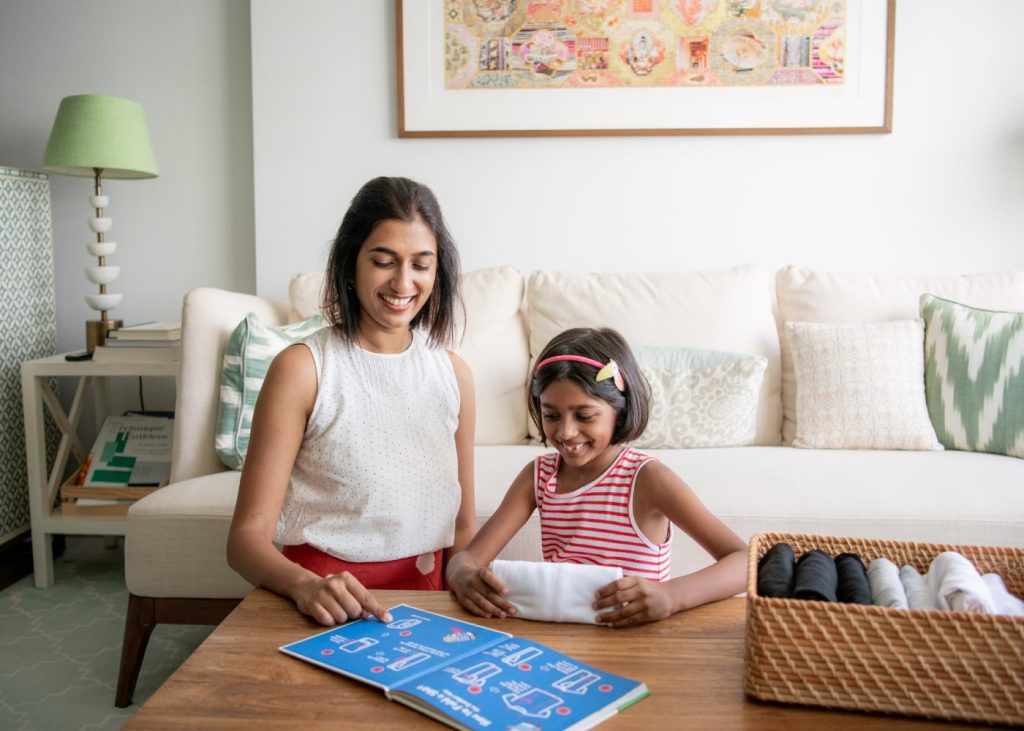
- Increased focus: A more streamlined environment can help clear your mind. By removing distractions, you may find it easier to concentrate on activities that rejuvenate you, such as reading, meditating, or pursuing a creative hobby.
- Enhanced well-being: Prioritizing what truly matters helps boost happiness. By surrounding yourself with only the things and people that bring joy into your life, you cultivate a nurturing environment that supports your emotional health.
- Time management: Spending less time managing distractions opens up valuable time for personal care. Whether it’s dedicating a few moments each day for relaxation or planning an evening ritual for self-reflection, a minimalist mindset enables you to reclaim your time for what genuinely nourishes you.
By leaning into these concepts, you can start shaping a lifestyle that reflects who you are and what you value most. Embracing a minimalist framework allows for more intentional living, creating space for self-discovery and personal growth. The journey towards living with intention unfolds as you explore these strategies for enhancing both your home and inner self through minimalism.
DISCOVER MORE: Click here to learn about simplifying your daily routines
Strategies for Incorporating Minimalism into Daily Life
The simplicity and clarity that come with minimalism can significantly reshape how we approach self-care. By making intentional choices regarding both physical belongings and lifestyle habits, we open ourselves to a life that prioritizes mental health and personal fulfillment. Here are some practical strategies to incorporate minimalism into your daily routine to enhance self-care:
1. Create a Minimalist Space for Self-Care
Your physical environment plays a crucial role in your emotional state. To cultivate a sanctuary for self-care, consider the following:
- Declutter regularly: Designate time each month to assess the items in your space. Discard, donate, or repurpose belongings that no longer serve a purpose in your life. This routine helps maintain a clear atmosphere that encourages relaxation.
- Curate meaningful decor: Choose a select few pieces that evoke positivity or significance. Rather than an array of knick-knacks, consider artwork or photos that inspire reflection or joy, creating a personalized sense of calm in your space.
- Designate a self-care corner: Set aside a specific area in your home dedicated to self-care practices—whether it’s a comfortable chair for reading, a meditation mat, or an organized art station. This intentional space reinforces a mindset of self-prioritization.
2. Establish Intentional Routines
Incorporating minimalism into your daily rituals can help streamline your day while ensuring that you prioritize self-care:
- Morning intentions: Start your day with a few moments of reflection or meditation to set clear intentions. Consider writing down your goals for the day to keep the focus on what truly matters.
- Limit your commitments: Embrace the power of “no.” Protect your time and energy by being selective about the commitments you take on each week. This not only frees up time for self-care but prevents overwhelm.
- Practice mindful consumption: Be conscious of the media you consume. Limit time spent on social media or news outlets that may create anxiety. Instead, focus on engaging content that promotes positivity and growth.
3. Tailor Your Self-Care Approach
Minimalism encourages you to refine what self-care means for you personally. There’s no one-size-fits-all approach; therefore, consider these aspects:
- Quality over quantity: Rather than juggling multiple self-care practices, identify a few that resonate most with you, such as yoga, journaling, or nature walks. Dive deeper into these activities to maximize their benefits.
- Reflect regularly: Set aside time for introspection about what self-care activities energize or drain you. This ongoing assessment allows you to adjust your practices as your needs and life circumstances evolve.
- Engage with nature: Nature has an intrinsic ability to restore balance and clarity. Designate time for outdoor activities, be it hiking, biking, or simply sitting in a park to connect with the natural world.
By implementing these strategies, you can craft a life that aligns with your values while enhancing your self-care approach. As you embrace minimalism, remember that the journey towards intentional living is unique and evolving. Tailoring these practices to suit your individual preferences may just lead you to profound changes in well-being and self-discovery.
Embracing Minimalism for Enhanced Well-Being
Minimalism is about more than just decluttering physical spaces; it extends to mental and emotional well-being as well. When we focus on what truly matters, we create a life that’s rich in meaning and purpose. One key strategy for embracing minimalism is simplifying your commitments. Life can often feel overwhelming with a multitude of responsibilities and distractions. By prioritizing what aligns with your core values, you can reduce stress and enhance your focus on self-care.Consider creating a designated time each week for self-reflection. This practice not only clarifies your goals but also allows you to assess how your current activities contribute to your overall happiness. Journaling is an effective technique for this purpose—it helps you articulate your thoughts, feelings, and aspirations. Moreover, engaging in a minimalist lifestyle encourages you to thoughtfully curate your relationships. Surrounding yourself with supportive and like-minded individuals fosters a healthier social environment, promoting emotional resilience.The physical act of decluttering your living space also fosters a clear mind. Studies show that a tidy environment can increase productivity and reduce anxiety. Invest time in sorting through your belongings and keep only those items that serve a functional purpose or bring you joy. This process of letting go can be liberating and profoundly impactful on your overall sense of peace and fulfillment.As you move forward on this journey towards a minimalist lifestyle, remember that self-care is an ongoing process. Regularly assess your needs and adjust your routines to ensure they resonate with your evolving values and desires. The journey to minimalism is unique for everyone, and as you find balance, you may discover new avenues for personal growth and deeper connections with yourself and others. For those interested in delving deeper into the strategies of minimalism, accompanying resources such as workshops, books, and online communities can offer support and inspiration. Engaging with others who share a similar journey can bolster your commitment to living intentionally and practicing self-care.
| Category 1 | Category 2 |
|---|---|
| Mindfulness | Enhances focus and reduces stress. |
| Clarity | Promotes intentional living, improving emotional health. |
Becoming intentional about our lives through minimalism and self-care yields lasting benefits. Adopting these practices empowers us to experience life fully and authentically. Through structured routines and deliberate choices, we cultivate a sense of peace, allowing us to respond thoughtfully to the world around us. As we seek simplicity in our daily lives, the potential for personal care unfolds, leading to a more fulfilling existence.
DISCOVER MORE: Click here for tips on decluttering your life
Embracing the Minimalist Mindset for Enhanced Self-Care
The essence of minimalism goes beyond decluttering our physical spaces; it involves adopting a mindset that aids in the pursuit of intentional living and personal care. By reshaping our perspectives, we can navigate life with clear purpose and mindful awareness. Here are some strategies to foster a minimalist mindset that complements your self-care journey:
1. Prioritize Emotional Well-Being
Minimalism can serve as a pathway to improved emotional health, particularly when we focus on reducing stressors in our lives:
- Identify emotional clutter: Just as physical items can weigh us down, so too can negative thoughts and relationships. Make a conscious effort to recognize and address aspects of your life that drain your energy, whether they are toxic friendships or unrealistic expectations you impose on yourself.
- Practice gratitude: Regularly reflecting on what you are grateful for can shift your focus from what is lacking to what is abundant in your life. Keeping a gratitude journal or sharing gratitude with others can foster a more positive outlook and enhance your emotional resilience.
- Limit technology time: In a world dominated by digital distractions, carving out technology-free time can significantly benefit your mental clarity. Use this time for self-care practices like reading, meditating, or spending quality time with loved ones.
2. Simplify Decision-Making
The minimalism philosophy promotes making fewer but more deliberate decisions. This simplification can enhance personal care:
- Create a capsule wardrobe: Transform your approach to clothing by building a capsule wardrobe—selecting versatile pieces that you love and wear frequently. This reduces daily decision fatigue, empowering you to focus on choices that truly matter.
- Meal prep with intention: Plan and prep meals in advance to create a consistent and wholesome eating routine. Choose nutritious options that nourish your body, ultimately making it easier to maintain healthy eating habits without added stress.
- Schedule regular self-care days: Carve out dedicated days for self-care with a plan in mind, whether it’s a spa day at home or a mini-retreat. Having set days ensures that self-care doesn’t fall by the wayside amidst a busy schedule.
3. Cultivate a Mindful Practice
Integrating mindfulness into your daily routine will help you connect with yourself on a deeper level, which is paramount to self-care:
- Mindful meditation: Engage in meditation for just a few minutes each day to foster awareness of your thoughts, emotions, and sensations. Mindful meditation cultivates a peaceful mind, making it easier to navigate life’s ups and downs.
- Breathing exercises: Incorporate short breathing exercises throughout your day to calm your mind and body. A mere few minutes of deep breathing can greatly reduce stress and promote relaxation, anchoring you in the present moment.
- Practice body awareness: Enhance your connection with yourself through practices such as yoga or tai chi. These activities promote physical health and encourage a holistic awareness of your body and mind, aligning with the core principles of minimalism.
By embracing a minimalist mindset, you set the foundation for a life of intention and self-care. Prioritizing emotional well-being, simplifying decision-making, and cultivating mindfulness all contribute to a deeper connection with yourself and greater fulfillment in daily life. As you explore these strategies, remember that the journey towards an intentional, minimalist existence is further enriched through continuous reflection and self-discovery.
DISCOVER MORE: Click here to delve into digital minimalism
Conclusion: The Power of Minimalism in Cultivating Self-Care
In an increasingly fast-paced world, the need for intentionality and personal care is more critical than ever. Minimalism, at its core, offers a transformative approach to self-care, enabling individuals to focus on what genuinely matters. By streamlining both our physical environments and mental landscapes, we create space for emotional well-being, simpler decision-making, and mindful practices that nurture our souls.
Adopting a minimalist mindset means actively choosing what to prioritize in life—be it relationships, activities, or thoughts that contribute positively to our emotional health. It encourages us to audit our lives, remove the unnecessary, and replace it with practices that enhance our quality of living. As we cultivate habits of gratitude, simplicity, and mindfulness, we learn to navigate life’s chaos with grace and clarity.
Moreover, embracing minimalism fosters a lifestyle rooted in intention, where self-care is not an occasional indulgence but an essential part of our everyday routine. From incorporating technology-free moments to establishing a capsule wardrobe or preparing intentional meals, these strategies empower us to reclaim our time and focus our energy on self-love and personal growth. As we reflect on these principles, it becomes evident that minimalism is not merely about reducing what we own; it is about enriching our lives with experiences, connections, and mindful practices that amplify our well-being.
Ultimately, as you embark on your journey towards a more minimalist lifestyle, remember that it is a continuous process of discovery and adjustment. The insights gained through this journey can lead to profound personal care, enriching both your mental health and overall quality of life. Embrace the principles of minimalism, and let them guide you toward a more meaningful existence filled with intention and self-care.