Deconstructing Excess: Intentional Living Practices for a More Organized Home
Understanding Clutter and Its Impact
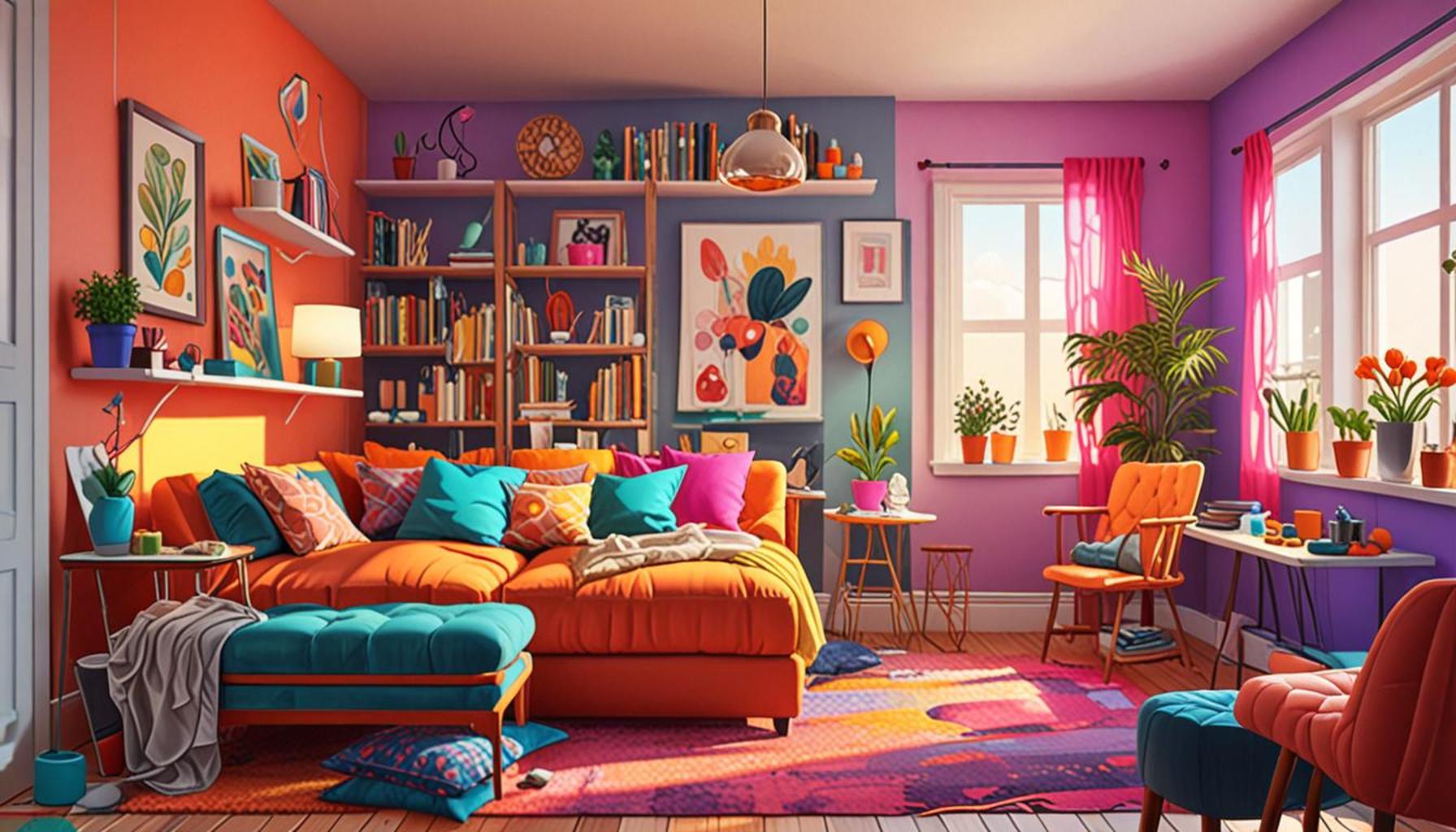
In contemporary society, characterized by rapid consumerism, many are grappling with the overwhelming presence of clutter. This clutter not only invades our physical spaces but often seeps into our mental landscapes, creating an atmosphere of chaos and distraction. It is essential to recognize that the state of our surroundings can significantly influence our emotional health.{
The Case for Intentional Living
Intentional living challenges us to cultivate a more thoughtful relationship with our possessions. Instead of impulsively acquiring new items, it prompts us to engage in mindful consumption, which involves assessing our true needs and weighing the actual value of a purchase. For example, before purchasing yet another pair of shoes, one might consider how often they will be worn, or whether a versatile existing pair could meet the need. This reflection can vastly reduce the clutter in our closets and free up our living spaces.
The Process of Decluttering
Another pivotal aspect to address is decluttering. This does not merely refer to tossing out random items but involves a systematic evaluation of our belongings, ideally on a regular basis. Adopting practices like the “One in, One out” rule can be beneficial—every time a new item is brought into the home, an old one should be removed. Moreover, it may be helpful to designate specific periods for decluttering, such as at the change of seasons or every New Year. These moments encourage reflection and renewal, encouraging individuals to let go of things that no longer serve their lives.
Simplifying Routines
Besides addressing the physical aspect of our environments, simplifying routines is vital for achieving a sense of tranquility. By streamlining daily tasks, whether by meal prepping for the week or creating a designated home for every item, we can dissipate the mental load that often contributes to feelings of overwhelm. For instance, having a specific spot for keys and wallets reduces the time spent searching for them, allowing for smoother mornings and less stress.
The Emotional Benefits of Decluttering
The impact of a decluttered environment extends beyond aesthetics; there is a psychological component at play. Studies indicate that a clean and organized space can foster improved productivity and increase creativity. It is no coincidence that many find creativity stifled in chaotic settings. As we clear our physical spaces, we often experience mental clarity, which can lead to more effective decision-making and innovation.
Taking Action Towards Organized Living
As we explore the principles of intentional living, you may discover various practical strategies that can seamlessly integrate into your lifestyle. Whether it’s employing room-by-room decluttering techniques or setting up organizational systems that cater to personal habits, the key lies in understanding your unique needs and preferences. Each small step taken towards a more organized home can significantly enhance everyday life, leading to a more fulfilling and balanced existence.
Ultimately, the journey to intentional living is a transformative one, offering both practical solutions and emotional rewards. By committing to a more mindful approach, individuals can reclaim their spaces and, in turn, their mental well-being. The quest for simplicity does not require grand gestures; it can begin today, one small decision at a time.
DIVE DEEPER: Click here to uncover more insights
Embracing Minimalism: A Pathway to Clarity
In our quest for intentional living, minimalism emerges as a guiding philosophy. It invites us to evaluate not just what we own, but why we own it. The idea is not to strip our lives bare but to shed the excess that distracts us from what holds true value. Adopting a minimalist mindset encourages individuals to focus on quality rather than quantity, creating a foundation for a more organized home.
The Minimalist Mindset
Minimalism encompasses more than just decluttering one’s space; it fosters a shift in perspective regarding consumption and ownership. By embracing a minimalist mindset, individuals begin to identify their genuine needs, allowing them to make conscious choices about what to invite into their homes. This involves a deep exploration of the concepts of gratitude and intentionality.
Here are some guiding questions to consider when adopting this mindset:
- Does this item add value to my life?
- Do I genuinely use or appreciate this object?
- Is this aligned with my personal values and lifestyle?
Engaging with these questions can help individuals evaluate their possessions critically, leading to a more harmonious living environment.
Establishing Clear Goals for Your Home
To further the journey toward intentional living, it’s crucial to set specific and achievable goals for your space. These goals act as guiding stars, helping to steer your decluttering efforts in a purposeful direction. Consider asking yourself:
- What atmosphere do I wish to create in my home?
- What activities do I want to facilitate through my living space?
- How can my home reflect my personal style and values?
Having a clear vision can inspire a more organized home, where each item serves a purpose and contributes positively to your daily life. This process may involve more than mere physical organization; it can be an opportunity for personal reflection and growth.
Gradual Change for Lasting Impact
Achieving a meticulously organized home doesn’t have to happen overnight. In fact, an incremental approach is often more sustainable. Embrace the power of small changes by committing to decluttering a single space at a time—be it a drawer, a closet, or a room. Celebrate these small victories, as they cumulatively contribute to a larger transformation.
For those hesitant to part with items, consider adopting the sentimental item rule: keep only a select few items that hold true emotional value. This can ease the emotional burden while still allowing for cherished memories to remain accessible.
The journey to establishing an organized home through minimalism and intentional living is both personal and profound. As we embrace this mindset, we invite clarity and peace into our lives, paving the way for not only a harmonious living environment but also a more fulfilling existence overall.
Deconstructing Excess: Harnessing Intentional Living for a More Organized Home
In a world dominated by consumerism and constant distractions, deconstructing excess involves a deep dive into the core principles of intentional living. This journey emphasizes the importance of mindfulness in our everyday interactions with material possessions, leading to a more purposeful and organized home environment.
One key aspect of intentional living is the powerful practice of decluttering. By becoming aware of the items that truly serve us, we not only enhance our physical space but also cultivate mental clarity. Studies have shown that maintaining a clutter-free environment can significantly reduce stress levels and increase productivity. The act of regularly assessing our belongings reminds us to appreciate what we have while deciding what necessities contribute to our well-being.
Moreover, integrating minimalist design principles into our homes can further support an organized lifestyle. By focusing on functionality and simplicity, we create spaces that are not only aesthetically pleasing but are also more efficient. This is especially important in multifunctional living areas, where design plays a crucial role in how we utilize our environments.
Additionally, intentional living prioritizes sustainable practices. By choosing quality over quantity, we foster a relationship with our possessions that transcends fleeting trends. This conscious decision-making translates into a home filled with items that resonate with our personal values, rather than mere decorative clutter.
Advancing our understanding of intentional living practices allows us to explore various organizational strategies that work. It’s about experimenting with storage solutions, adopting routines that promote cleanliness, and recognizing the emotional attachment to certain items versus their practical value. Through these methods, we embrace a lifestyle that emphasizes mindfulness, making our home not just a physical space but a sanctuary for peace and inspiration.
| Advantage | Description |
|---|---|
| Mental Clarity | Reducing clutter leads to a serene mind. |
| Sustainable Living | Quality possessions promote eco-friendly practices. |
Through avenues such as *decluttering*, permanent lifestyle changes, and integrating minimalism, we can master the art of intentional living. This encourages us to appreciate what we possess while fostering a sense of calm and organization in our daily lives.
DISCOVER MORE: Click here to enhance your understanding
Streamlining Your Living Space: Strategies for Success
As we delve deeper into the concept of intentional living, the next step is to explore practical strategies to enhance our home organization. By implementing specific techniques geared towards streamlining our living spaces, we can effectively combat clutter and cultivate an atmosphere that promotes well-being.
Creating Organizational Zones
One effective method for maintaining a tidy home is the creation of organizational zones. This involves assigning specific areas within your home for particular activities or categories of items. For instance, designate a dedicated space for reading materials, art supplies, or workout gear. This assists in maintaining order, as it becomes clear where each item belongs.
Another critical aspect of this approach is ensuring those zones are easily accessible. Consider incorporating functional organizational tools such as bins, hooks, and shelving. These elements not only maximize storage but also enhance the aesthetic appeal of your space. By visually displaying items that inspire you while keeping clutter at bay, you create a balanced environment that supports intentional living.
The 30-Day Minimalism Challenge
For those seeking a practical starting point, the 30-Day Minimalism Challenge serves as an excellent framework. This challenge encourages participants to declutter one item on the first day, two items on the second, and so on, escalating to thirty items by the end of the month. This progressive approach can turn the seemingly overwhelming task of decluttering into an engaging and manageable experience.
This challenge not only fosters the practice of identifying what truly matters but also cultivates a sense of accomplishment. Whether it is clothing, kitchenware, or digital clutter, this method inherently adapts to any category of possessions. The end result is a more organized home tailored to your lifestyle and priorities, encouraging continued mindful participation long after the challenge concludes.
Digital Decluttering: A Modern Necessity
While much focus is placed on physical belongings, digital clutter can be equally overwhelming. From the barrage of emails to the never-ending stream of social media notifications, digital distractions can impede our pursuit of intentional living. Therefore, implementing a digital decluttering strategy is crucial to maintaining mental clarity.
Start by organizing your digital files into folders, deleting unneeded applications, and unsubscribing from irrelevant emails. Additionally, allocate specific times to check emails or social media, limiting engagement to focused intervals instead of constant interruptions. This not only enhances your productivity but also fosters a healthier relationship with technology.
The Art of Mindful Consumption
Beyond decluttering, embracing mindful consumption can significantly influence the organization of your home. This practice invites you to consider the implications of bringing new items into your home. Implement a rule to pause for 24 hours before making non-essential purchases, giving you time to assess whether the item aligns with your intentions and values.
Incorporating practices such as shopping with a list, prioritizing quality over quantity, and supporting local businesses contributes to a more sustainable and emotionally fulfilling consumer experience. By aligning your purchases with intentional living, every item in your home can become a reflection of your personal values.
These strategies and practices underscore the importance of an intentional approach to home organization. Through mindful decision-making and deliberate actions, individuals can chart a course towards a serene living environment, fostering not only a sense of order but also a deeper connection to the life they choose to create.
DISCOVER MORE: Click here to enhance your creativity
Conclusion: Embracing Intentional Living for a Harmonious Home
As we navigate the complexities of modern life, the practice of intentional living emerges as a transformative approach to create a more organized home. By embracing mindful consumption and implementing practical strategies such as creating organizational zones and participating in the 30-Day Minimalism Challenge, individuals can effectively deconstruct excess and tailor their living environments to reflect their values and priorities.
Moreover, as we increasingly recognize the burdens of digital clutter, integrating digital wellness into our organizing efforts becomes essential. Establishing boundaries with technology not only sharpens our focus but also enhances our overall well-being. This holistic view towards living intentionally fosters a sense of control amidst chaos, providing a serene atmosphere that encourages introspection and creativity.
Ultimately, the journey toward a more organized home is deeply personal and evolves over time. It invites us to redefine our relationship with possessions and cultivate habits that sustain a clutter-free lifestyle. By consciously choosing what we own and how we live, we can nurture a space that reflects our true essence rather than societal expectations.
In a world often defined by excess, let us embrace the power of intentional living and transform our homes into sanctuaries of peace, inspiration, and authenticity. Join the movement to declutter not just our spaces, but our minds, and experience the profound benefits of a thoughtfully curated environment.