Creating Multifunctional Spaces: Tips for Transforming a Room into Various Areas of Use
Transformative Design in Your Home
In today’s fast-paced world, maximizing space is more crucial than ever. Many homeowners in the United States are increasingly exploring innovative ways to transform their living areas into multifunctional spaces that can accommodate various activities. This trend is not only about aesthetic appeal; it meets the practical needs of modern lifestyles where flexibility and functionality are paramount. Imagine a home office that effortlessly transitions into a guest room or a living area that morphs into a lively workout space at a moment’s notice. The potential for versatility is virtually limitless.
Why Multifunctional Spaces?
Creating multifunctional spaces offers multiple advantages that enhance our day-to-day living:
- Cost-effective: By transforming existing rooms to serve multiple purposes, you can significantly reduce the need for additional square footage or expensive renovations. For instance, turning a seldom-used dining room into a hybrid work and leisure space can save both money and resources.
- Flexibility: Homeowners can easily adapt their multifunctional spaces to meet changing needs. For example, a guest bedroom can double as a home yoga studio when visitors aren’t staying over, allowing you to maximize utility throughout the year.
- Maximizes square footage: Utilizing multifunctional designs makes even smaller homes feel spacious. A well-designed layout with furniture that can be rearranged or stored away can optimize every nook and cranny of your home.
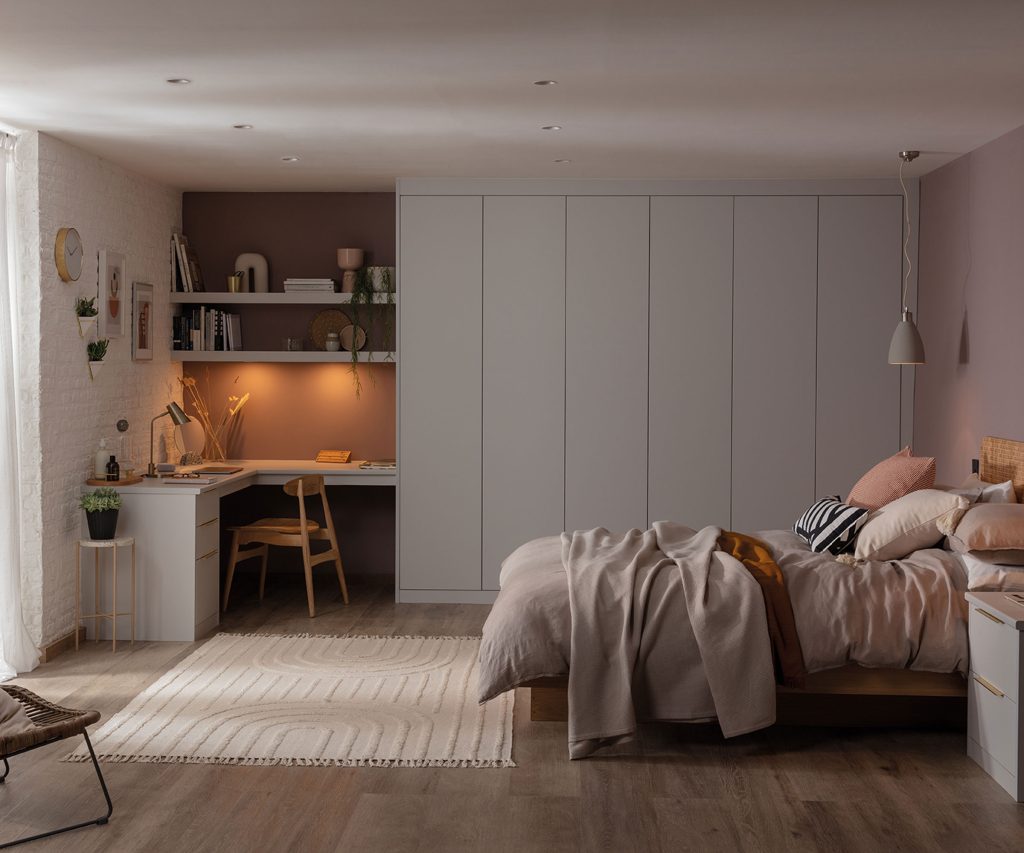
By employing thoughtful planning and creativity, any room can effectively serve multiple purposes. Consider incorporating elements like furniture with built-in storage, such as ottomans that open up for stashing away items, or wall units that can double as a workspace with a fold-down desk. Incorporating multifunctional décor, like decorative room dividers that also serve as bookcases, can create a unique atmosphere while enhancing utility.
What to Consider
Before diving into a transformation project, several key factors come into play:
- Lighting: Tailor your lighting to suit various activities. Adjustable lighting fixtures can create a cozy vibe for movie nights or provide bright task lighting for work projects.
- Design: Choose color palettes that facilitate easy transitions between uses. Soft, neutral tones can work well in both work and relaxation settings, making the space feel more cohesive.
- Organization: Investing in efficient storage solutions is crucial to maintain order and prevent clutter from overwhelming your space. Consider utilizing vertical storage like wall-mounted shelves or multifunctional furniture that helps you optimize every inch.
As we delve deeper into various tips and strategies for reimagining your rooms, you will uncover innovative ways to create spaces that adapt to your needs. Get ready to reclaim your space and greatly enhance your living experience!
EXPLORE MORE: Click here to discover the power of gratitude
Essential Tips for Transforming Your Spaces
Transforming your home into a multifunctional haven can initially seem daunting, but with careful planning and strategic design choices, the process can be enjoyable and rewarding. Here are some practical tips to help you get started on your journey to creating multifunctional spaces:
Choose the Right Furniture
Selecting furniture that adapts to multiple purposes is vital in creating a multifunctional space. Look for items that can easily shift from one use to another without much effort. Consider the following:
- Sofa Beds: A comfortable sofa bed can provide ample seating during the day and convert into a cozy sleeping area at night, making it ideal for small living rooms or home offices that double as guest spaces.
- Foldable Tables: A folding dining table can work wonders in tight areas. When not in use, it can be tucked away or turned into a compact workspace or craft station.
- Storage Ottomans: These multipurpose pieces serve as seating or footrests while providing hidden storage for blankets, books, or toys, helping to keep the room clutter-free.
By choosing the right furniture, you not only create a more functional environment but also add to the aesthetic appeal of your home. Opt for stylish designs that seamlessly blend with your existing décor.
Embrace Open Space Concepts
Incorporating an open concept design can dramatically change how a room is perceived and utilized. Here are some suggestions for achieving an open layout:
- Room Dividers: Use decorative room dividers to create separate areas within large rooms while maintaining an airy feel. Choose dividers that can be reconfigured or removed according to your needs, such as folding screens or bookcases.
- Light and Color: Utilize light colors and mirrors to make rooms feel larger and more inviting. A well-lit space can easily transition between different uses, appearing spacious and organized.
- Consistent Flooring: Using the same type of flooring or rugs throughout interconnected areas promotes flow and continuity. This design element is particularly effective in spaces combining the living area, dining area, and kitchen.
An open concept not only enhances the functionality of your rooms but also fosters better communication among family members, making it an inviting environment for both daily living and entertaining.
Flexibility is Key
Finally, be open to change. Your needs may evolve over time, so ensure your multifunctional space offers flexibility. Here are some ideas to keep your room adaptable:
- Mobile Furniture: Invest in furniture on wheels, such as rolling carts or chairs, to allow easy rearrangement when hosting gatherings or changing the room’s purpose.
- Multiuse Decor: Look for décor items that add beauty while serving a purpose; decorative baskets can store items while enhancing the room’s design.
- Adjustable Elements: Choose adjustable shelving and lighting that can be modified according to activity, providing ample support for different functions.
By focusing on flexibility, you can foster a dynamic home environment where spaces seamlessly transform to accommodate your lifestyle.
When it comes to designing multifunctional spaces, the emphasis should be placed on adaptability and function. One of the key aspects to consider is the layout of the room. An open floor plan can significantly enhance the versatility of a space. By using furniture and accessories that can be rearranged or repurposed, you can quickly shift a living area into a workspace, a dining area, or even a play zone for children. Multi-use furniture is a game changer in this regard. Consider investing in a sofa bed, foldable tables, or storage ottomans. These pieces not only save space but also provide flexibility, allowing you to switch from one function to another seamlessly. For instance, a dining table can double as a workspace, especially when equipped with a surface that is conducive to both meals and computer work.The use of dividers can also help in demarcating different areas within a single room. This can be achieved using shelving units, curtains, or even plants to create a sense of separation without compromising on the overall openness of the room. This visual division can foster a sense of distinct purposes in your multifunctional space, making it more organized and efficient.Lighting plays a crucial role in defining the different functions of a space as well. Task lighting can be implemented to support specific activities such as reading or working, while ambient lighting creates a relaxing atmosphere for unwinding. Consider adjustable lighting options that allow you to toggle between bright and soft illumination depending on the activity at hand.Incorporating color schemes can also set the atmosphere according to the purpose of use. Warmer tones can create a cozy environment for social gatherings, while cooler tones may enhance focus in a workspace. Accent walls or removable decals can change the feel of a room without requiring a complete overhaul.Furthermore, it’s important to consider the flow of movement within your space. As you transform areas, ensure that there’s enough room to move around comfortably. This can be accomplished by positioning furniture in a way that allows easy navigation, which is particularly vital in smaller rooms where space constraints are more pronounced.Each of these tactics contributes to the overarching goal of multifunctionality, allowing for creative solutions that adapt to your needs. With thoughtful design choices and strategic planning, you can transform any room into a dynamic environment that maximizes utility and enhances your lifestyle.
DISCOVER MORE: Click here for tips on creating serene spaces
Innovative Uses of Space and Design Techniques
To further enhance the functionality of your living areas, consider innovative design techniques that transform how you utilize space. By creatively employing various design elements and strategies, you can turn a standard room into a versatile environment tailored to your specific needs.
Utilize Vertical Space
When floor space is at a premium, look up! Maximizing vertical space can significantly increase the functionality of a room. Here are some ways to do this:
- Wall Shelving: Install floating shelves or a multi-tiered bookshelf to store items elegantly while keeping the floor clear. These can hold everything from books to decorative items, providing both function and visual interest.
- Hanging Storage: Consider overhead storage solutions like hooks or ceiling-mounted racks for bikes, baskets, or sporting equipment. This keeps belongings accessible yet out of the way, preserving your floor plan.
- Lofted Beds: In smaller bedrooms, a lofted bed frees up underneath space for a desk or additional seating, turning a cramped area into a well-organized retreat.
Utilizing vertical space not only increases storage but also allows for more open ground areas, enhancing movement and accessibility.
Design Zones with Area Rugs
Creating distinct functional zones within your space can be achieved using area rugs. This method is particularly beneficial in open-plan layouts. Here’s how to use rugs effectively:
- Define Areas: Use different rugs to define various functions such as a dining area, seating area, or workspace. Each rug can have a different style or color, signaling the purpose of that section while maintaining an overall cohesive aesthetic.
- Layering: Layering rugs can add depth to your design. For example, place a smaller, bold-patterned rug on top of a larger, neutral one to create visual interest while providing comfort.
By using area rugs to delineate different spaces, you provide clarity in functionality while adding rich textures and colors to your home.
Incorporate Smart Technology
Smart home technology is reshaping multifunctional living. Embracing this tech can elevate your space’s efficiency. Consider these innovations:
- Smart Lighting: Install smart lighting systems that allow you to customize the ambiance based on the room’s function. Adjusting brightness and color temperature with a simple voice command or smartphone app can transform a workspace into a relaxing lounge.
- Multi-Functional Appliances: Use appliances that serve multiple purposes, such as a toaster oven that can bake, broil, and toast. This not only saves space but enhances efficiency in your kitchen or dining area.
- Smart Organizers: Smart home systems can help in maintaining organization through automated schedules and alerts, managing tasks that adapt to your daily routines.
Incorporating smart technology not only simplifies daily routines but also elevates the style of your multifunctional spaces.
Seasonal Adaptability
Consider your spaces’ adaptability with changing seasons or events. With a few alterations, a room can serve different functions throughout the year:
- Seasonal Decor Swaps: Changing decor based on seasons can refresh your space’s purpose. For instance, in summer, you might emphasize a bright color palette along with airy textiles, while in winter, warmer tones and heavier fabrics create a cozy retreat.
- Event Preparation: Design for flexibility to convert spaces for gatherings or celebrations. Consider mobile accessories, such as stackable chairs or extendable tables that allow you to prepare effortlessly for larger groups.
By ensuring your space seamlessly adapts to the seasons and events, you elevate the experience of living in a multifunctional home.
DISCOVER MORE: Click here to deepen your understanding
Final Thoughts on Multifunctional Spaces
In today’s world, where space is often limited, creating multifunctional spaces has become an essential strategy for maximizing the utility of your home. By employing innovative design techniques, such as utilizing vertical space, incorporating area rugs to define zones, and embracing smart technology, you can transform a single room into a versatile haven that meets diverse needs. The adaptability of your space not only enhances functionality but also reflects your lifestyle and personal taste.
Moreover, don’t understate the potential of seasonal adaptability. By changing decor and layouts according to seasonal requirements or specific events, you keep your space fresh and engaging year-round. This flexibility fosters a more inviting atmosphere that can accommodate everything from family gatherings to quiet retreats.
To truly unlock the potential of your home, consider your current layout critically. What can be rearranged, repurposed, or reimagined? Engaging in this thought process can lead you to exciting opportunities for improving your living experience. So, whether you are living in a compact apartment or a spacious home, embracing these strategies will help you create a harmonious environment that adapts seamlessly to all aspects of your life.
As you embark on this journey of transformation, remember that multifunctional spaces aren’t just about efficiency—they’re about creating a personalized sanctuary that inspires creativity and comfort. Dive deep into the possibilities and let your imagination guide you in designing spaces that are as dynamic as your lifestyle.