Clutter Reduction and Preparing for Change: How to Organize Your Life Before a Transition
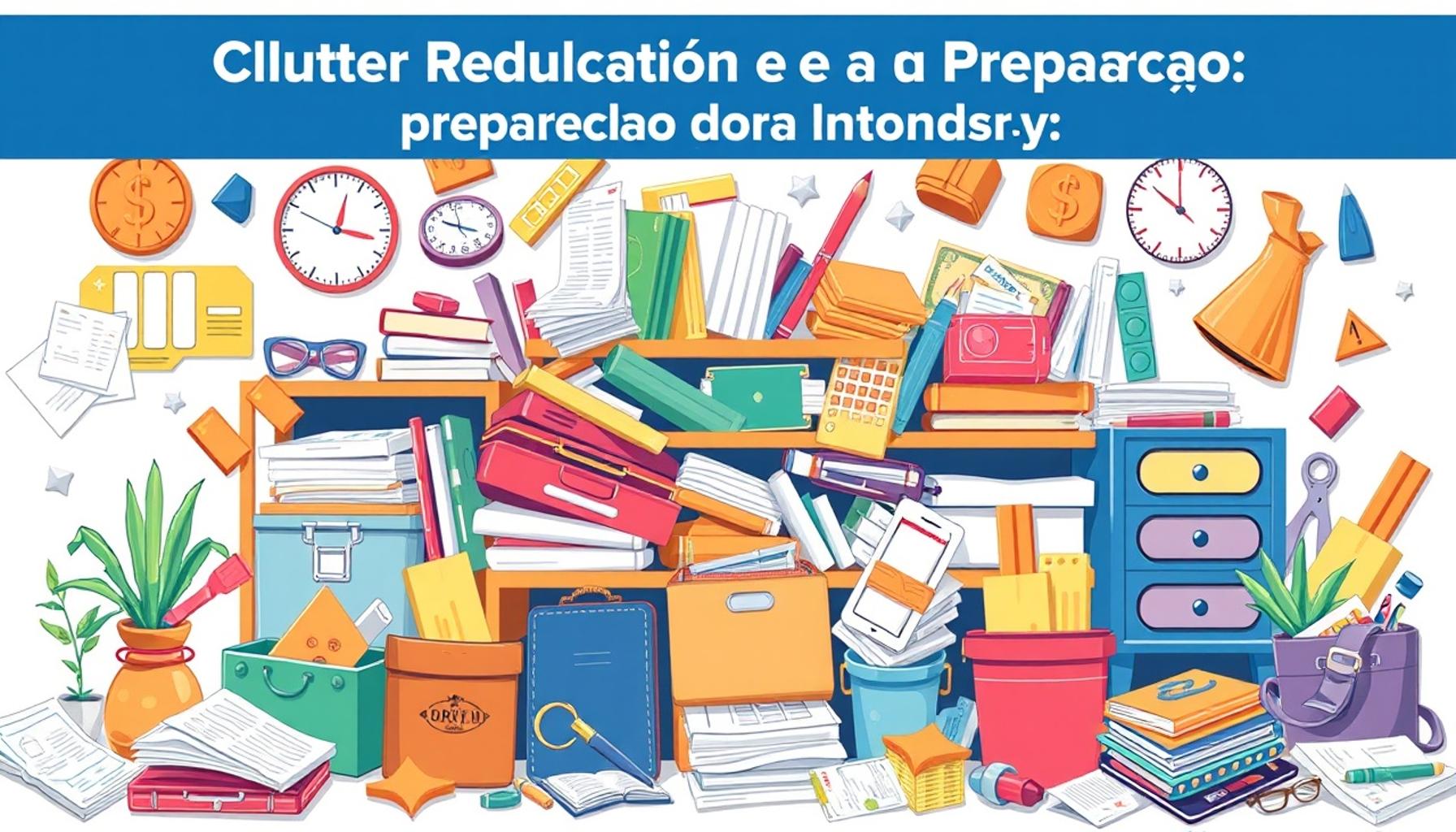
The Importance of Clutter Reduction During Life Transitions
As life unfolds, transitions become inevitable. Whether it’s moving to a new home, starting a new job, or embracing retirement, preparing for change often begins with a crucial, yet overlooked step: clutter reduction. An organized space can lead to an organized mind, making it easier to navigate life’s changes. A clear environment not only facilitates efficiency but also impacts mental well-being.
The Impact of Clutter
Consider the impact of clutter on your daily routine:
- Increased Stress: Studies have shown that clutter can significantly raise cortisol levels, leading to heightened anxiety. For instance, an individual juggling a hectic work schedule while managing a disorganized home may find themselves overwhelmed by simple tasks, fostering a sense of chaos.
- Decreased Productivity: It’s challenging to stay focused and motivated when surrounded by disorder. Research reveals that people working in an organized environment are often more productive. When distractions like piles of paper or untidy spaces are minimized, concentration enhances, allowing work to flow more smoothly.
- Negative Mood: Tidiness affects not just your space but your overall outlook. Environmental Psychology has established a connection between a cluttered space and a negative mood. In fact, many individuals report feeling more energized and positive after tidying up their surroundings.
Strategies for Clutter Reduction
To successfully embrace a transition, many people find it beneficial to engage in a period of organizing their lives. Here are several key areas to focus on:
- Decluttering Possessions: Assess what items you truly need versus those that just take up space. The KonMari method, popularized by Marie Kondo, encourages retaining only items that “spark joy.” By letting go of unnecessary possessions, you create room for new experiences and opportunities.
- Time Management: Evaluate how you allocate your time. Prioritize tasks and obligations, using tools like planners or digital apps to track responsibilities. This proactive approach not only reduces time-related clutter but also promotes a more systematic and less overwhelming lifestyle.
- Emotional Readiness: Reflect on your feelings regarding the impending change. Journaling or talking with a trusted friend can help articulate emotions. Understanding your thoughts can create a mental space that welcomes new transitions instead of resisting them.
Conclusion
By actively working on these aspects, individuals can foster a sense of clarity and readiness. Transition periods offer unique opportunities for growth, and starting with clutter reduction can set the stage for positive changes ahead. Embracing these strategies not only paves the way for a smoother transition but also enhances overall life satisfaction. As you prepare for inevitable changes, remember that starting with a clean and organized slate can be the first step toward a brighter future.
DIVE DEEPER: Click here to uncover the connection between clutter reduction and sustainable living
Understanding the Process of Clutter Reduction
Engaging in clutter reduction is more than simply tidying up your physical space; it is a holistic process that can profoundly affect your ability to embrace life transitions. When you begin to reduce clutter, it’s not just about removing items from your home; it’s about creating an environment that fosters peace, clarity, and readiness for change. A well-organized setting can help clarify your goals and boost your confidence, especially when facing major shifts in life.
Assessing Your Space
The first step in reducing clutter is to thoroughly assess your environment. Ask yourself crucial questions like: What items serve a purpose in my life? Which belongings hold sentimental value? What can I let go of to create space for new experiences? This assessment could involve different areas of your life, from tangible possessions to digital clutter, such as overflowing email inboxes or disorganized computer files. Here are some common categories to consider:
- Physical Possessions: Begin with your living space. Tackle one room at a time to prevent feeling overwhelmed. Items like clothes, books, kitchen gadgets, and decorative knick-knacks often harbor emotional attachments that can cloud your judgment. Aim to keep only those items that are functional or bring you joy.
- Digital Clutter: In today’s tech-driven world, a disorganized digital footprint can be just as detrimental. Take the time to sort through files, delete unnecessary documents, and unsubscribe from newsletters that you don’t read. Organizing your digital space will help reduce mental clutter and make technology serve you more efficiently.
- Emotional Clutter: Beyond the physical realm, your mental and emotional states can also be cluttered. Reflecting on unresolved feelings or long-held grudges can provide clarity on what may be holding you back. Consider practices such as meditation or therapy to help address these internal blockages.
Implementing the ‘Four-Box Method’
One popular technique for decluttering is the Four-Box Method. This involves labeling four boxes as follows:
- Keep: Items that you use regularly or have significant emotional value.
- Donate: Things that are in good condition but no longer serve you; this allows someone else to benefit.
- Sell: Valuable items that you no longer need can provide extra cash to help with transition expenses.
- Discard: Items that are broken, beyond repair, or not worth keeping.
By utilizing the Four-Box Method, you can be systematized in your approach, making decisions less overwhelming and your goals clearer. Each box represents an opportunity to release what no longer serves you, ultimately making space for new beginnings.
Tackling clutter is often challenging, but it is a necessary step toward preparing for any life transition. As you embark on this journey, remember that each item relinquished is a step toward a more organized and focused life.
| Advantages | Description |
|---|---|
| Reduced Stress | Decluttering provides a clear space which can significantly decrease anxiety and improve mental clarity. |
| Enhanced Productivity | A streamlined environment allows for better focus and efficiency, making it easier to tackle tasks during transitions. |
As you prepare for a significant transition in your life, whether it be moving to a new home, changing careers, or embarking on a personal journey, the principles of clutter reduction can dramatically alter your experience. By actively engaging in the process of organizing and decluttering, you can foster an environment that is not only more inviting but is also conducive to positive change.For instance, during periods of transition, emotional baggage often accumulates alongside physical clutter. By clearing out unnecessary items, you also pave the way to let go of old habits and mental blocks that may hinder progress. This is key, as holding onto the past can complicate the journey forward. Moreover, the act of physically organizing your belongings instills a sense of control over your environment. This can be particularly empowering when facing uncertainty. As you categorize your possessions, identify what truly matters, and prepare for new experiences, your actions reinforce clarity and purpose.Transition is frequently marked by pivotal moments—opportunities or challenges alike. Approaching these changes with a mindset oriented around organization encourages you to embrace them rather than resist. Educating yourself on strategies for efficient organization can make a significant difference in how you navigate these evolving circumstances, thereby enriching the overall journey of transitioning into a new phase of life.
DISCOVER MORE: Click here to learn about conscious consumption
Creating Efficient Organizational Systems
Once you’ve tackled the initial phases of clutter reduction, it is essential to establish effective organizational systems that can help maintain your progress. A tidy space is only the beginning; sustaining that order and ensuring that your surroundings support your transition requires ongoing effort and a few strategic approaches.
Embrace the ‘One In, One Out’ Rule
An effective way to manage incoming items is to adopt the ‘One In, One Out’ rule. This principle states that for every new item you bring into your home, you must let go of an existing item. This philosophy minimizes the risk of accumulating clutter again and encourages thoughtful purchasing decisions. When you consider what to buy, this rule can prompt you to ask essential questions about your needs and priorities. Consider what value the new item adds to your life and if it truly warrants replacing something else.
Regular Check-Ins
Committing to regular check-ins is crucial in your decluttering journey. Dedicate time—perhaps monthly or seasonally—to assess your belongings and evaluate your organizational systems. This can be as simple as revisiting the Four-Box Method and sorting through items that may have slipped back into your life. Take the time to evaluate if your possessions still serve a purpose or if they have outlived their usefulness. Such proactive measures can prevent clutter from re-infesting your space.
Implementing Storage Solutions
Innovative storage solutions can be a game-changer in keeping your space organized. Think beyond conventional shelving and storage bins; consider using multi-functional furniture, such as ottomans that double as storage or beds equipped with drawers beneath. Additionally, vertical space should not be overlooked. Utilize wall-mounted shelves or hooks for items like keys, bags, or art supplies, which can help keep surfaces clear. By optimizing available space efficiently, you make it easier to maintain order while accommodating your evolving lifestyle.
Mindfulness and Intentional Living
Integrating mindfulness into your daily routine can transform how you handle possessions and create a conducive environment for change. Be intentional in your choices; before purchasing or keeping an item, reflect on its significance to your life. Ask yourself if it aligns with your values and the changes you wish to embrace moving forward. Mindful consumption not only helps reduce clutter but also ensures that your belongings genuinely enrich your life.
Utilizing Digital Organization Tools
As we often carry our lives within our devices, it’s crucial to extend your organizational efforts into the digital realm. Embrace tools such as cloud storage solutions—like Google Drive or Dropbox—to keep your files sorted and easily accessible. Utilize apps that allow for task and calendar management, which can directly aid in making and tracking the steps necessary for your transition. For email, services like Clean Email can assist in mass unsubscribing from unwanted newsletters, streamlining your inbox and reducing digital distractions.
By creating robust organizational systems tailored to your lifestyle, you position yourself to navigate through significant changes more smoothly. These systems not only aid in managing your current environment but also help facilitate a sense of control and empowerment as you embark on your next chapter. Dive into the habit of reassessing what you keep in your space, ensuring that it continuously aligns with your goals for personal growth and transition.
DISCOVER MORE: Click here to find out how minimalism can transform your space
Conclusion: Embracing Change through Organized Living
As we navigate the inevitable transitions life throws our way, effective clutter reduction and organization are more vital than ever. Implementing a thoughtful approach to maintaining order—whether through the ‘One In, One Out’ rule, regular check-ins, or innovative storage solutions—empowers you to create a space that reflects your evolving aspirations. By fostering mindfulness in your consumption and taking charge of your digital landscape, you not only streamline your physical environment but also cultivate mental clarity.
Remember that organizing is an ongoing journey, not just a one-time task. A proactive attitude to maintain your systems can prevent the re-emergence of clutter and allow you to remain focused on your goals. As you embrace these strategies, take a moment to appreciate the sense of control and freedom a decluttered space provides, making it easier to adapt to new opportunities and challenges.
In essence, decluttering serves as a powerful metaphor for the changes you are preparing to face. By carefully selecting what to keep and what to release, you actively participate in shaping your future. So, whether you’re gearing up for a new job, moving to a different city, or simply seeking a fresh start, committing to organization is a pivotal step towards ensuring your transition is not only manageable but also filled with promise. Explore these strategies, experiment with what resonates best, and watch as your organized space empowers you to step boldly into your next chapter.

Beatriz
Beatriz Johnson is a seasoned financial analyst and writer with a passion for simplifying the complexities of economics and finance. With over a decade of experience in the industry, she specializes in topics like personal finance, investment strategies, and global economic trends. Through her work on our website, Beatriz empowers readers to make informed financial decisions and stay ahead in the ever-changing economic landscape.