Category Organization: Techniques for Grouping Items and Maximizing the Functionality of Your Space
The Impact of Organized Spaces on Daily Life
Clutter can easily take over your living space if not managed effectively. Category organization is an essential strategy that transforms chaos into order. By grouping items based on usage, location, or purpose, you can enhance the functionality of any area in your home. This approach not only fosters a sense of harmony but also promotes productivity and reduces anxiety.
Implementing effective categorization techniques allows you to:
- Increase efficiency by knowing exactly where to find items when needed. For instance, storing your cooking utensils, pots, and spices together in the kitchen minimizes the time spent searching for these essential tools while preparing meals.
- Minimize stress associated with searching for misplaced objects. Imagine the peace of mind you’ll have when your documents are filed neatly, and you can find your important papers instantly, instead of rummaging through piles of paperwork.
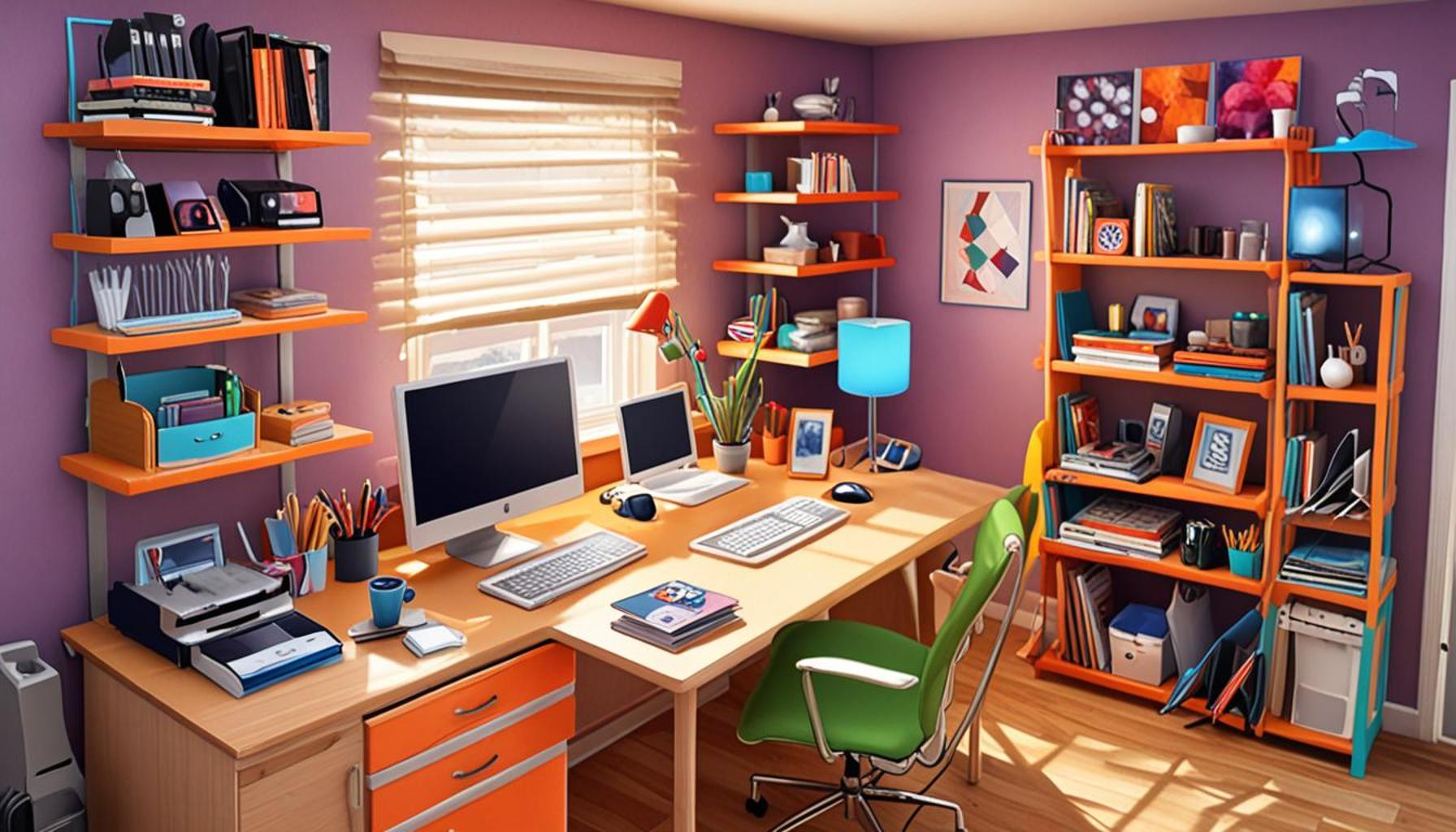
- Improve aesthetics by creating a visually pleasing environment. A well-organized living room, with bookshelves orderly and decorations thoughtfully placed, creates an inviting atmosphere for family gatherings or quiet evenings.
From your kitchen to your home office, the right categorization methods can significantly impact how you interact with your space. Here are a few examples of effective techniques that can easily be applied in various areas:
- Labeling boxes and containers for quick identification. Consider using a label maker or handwritten tags for everything from toy boxes to kitchen pantry items, so you can quickly find what you’re looking for without guessing.
- Using baskets to group similar items, such as art supplies or pantry goods. This technique not only makes items more accessible but also adds a decorative touch to your shelves.
- Creating zones in shared spaces to delineate different activities. In a family room, for instance, one zone can be designated for reading, another for gaming, and yet another for homework, improving the overall functionality of the area.
As we delve deeper, you’ll discover practical insights and strategies tailored to achieve optimal category organization. Whether you’re tackling a small closet or an expansive garage, these techniques will help you maximize your space’s functionality. Consider how these changes can affect your daily routine; the right organization can streamline your activities, boost your efficiency, and foster a more enjoyable living environment.
Moreover, engaging with these categorization methods can inspire a sense of ownership and pride in your home. By committing to organization, you not only create a streamlined space for yourself but also set a positive example for family and friends, encouraging them to adopt similar practices. In today’s fast-paced world, where time is of the essence, effective category organization is not merely a luxury—it’s a necessity.
DIVE DEEPER: Click here to discover the benefits of decluttering
Effective Techniques for Category Organization
When it comes to category organization, the success lies in how well you can adapt the techniques to suit your specific space and needs. Every home contains a variety of items, each with its unique purpose. By employing targeted categorization methods, you can transform your environment into a streamlined oasis of productivity and clarity. Let’s explore several proven techniques to enhance the organization of your home, making everyday tasks much more manageable.
1. The Power of Categorization
One of the primary advantages of category organization is its ability to simplify your living space. By separating your possessions into distinct categories—such as kitchen tools, cleaning supplies, or personal documents—you create a clear mental and physical separation that elevates efficiency. Consider the following category examples:
- Kitchen: Group cookware, utensils, and food items per meal type or cooking method.
- Living Areas: Arrange books by genre, and coordinate decorative items by theme or color scheme.
- Home Office: Segment supplies like pens, papers, and tech accessories for maximum accessibility and ease.
Utilizing these categories allows you not only to know where everything belongs but also optimizes the workflow in each area. This is particularly crucial in frequently used spaces like the kitchen and office, where a more efficient layout can dramatically reduce prep time and enhance focus.
2. Utilizing Storage Solutions
Effective storage solutions can greatly aid in category organization. Storage bins, shelves, and containers are your best allies in reclaiming valuable space. Investing in high-quality, labeled storage solutions makes it easier to locate and put away items promptly. Here are some ideas on how to utilize storage effectively:
- Transparent bins: Use clear bins for easy visibility of contents, especially in closets or garages.
- Stackable containers: Maximize vertical space by investing in stackable solutions in areas with limited floor space.
- Drawer organizers: Utilize dividers in kitchen or bathroom drawers to keep smaller items, like utensils or cosmetics, neatly separated.
Choosing the right storage options based on the items they hold can substantially enhance how you interact with your space. It can be incredibly rewarding to open a closet or cabinet and find everything in its designated place.
3. Implementing the “One In, One Out” Principle
Another key technique in maintaining category organization is the principle of “one in, one out.” This approach not only encourages mindful consumption but also limits clutter growth. Whenever you bring a new item into your space, make it a habit to remove an existing item. This is especially beneficial in areas like wardrobes or toy rooms, where possessions tend to accumulate over time.
In summary, successful category organization is not merely about sorting items; it is about rethinking how you engage with your space. By implementing these techniques, you can transform disorder into a functional and aesthetically pleasing environment that makes your daily life easier and more enjoyable.
Enhancing Efficiency with Effective Categorization
By employing strategic categorization techniques, one can significantly enhance the functionality of a space, whether it’s a home, office, or any organizational area. Understanding the relationship between items and implementing a systematic grouping can lead to a noticeable improvement in workflow and usability. Here’s a detailed examination of practical techniques that can be employed for effective category organization:
| Category | Techniques |
|---|---|
| Physical Spaces | Utilize shelving, drawers, and bins to create zones for different categories like stationery, tools, or kitchen items. |
| Digital Organization | Implement file naming conventions and digital folders to ensure quick access to essential documents, imagery, or projects. |
| Visual Categorization | Adopt color coding and labeling systems to make retrieval easier and faster, enhancing visibility of grouped items. |
These methods not only help in grouping similar items but also play a crucial role in maintaining a clutter-free environment. By implementing such category organization techniques, individuals can maximize their space’s functionality, resulting in a more efficient and harmonious area both in terms of aesthetics and productivity. As you explore new ways to categorize and optimize your environment, you’ll likely discover a greater sense of control and streamline your daily operations.
Gaining Accessibility Through Smart Grouping
Furthermore, understanding the nuances of accessibility equips you to improve the flow within a space significantly. Grouping frequently used items closer to your workflow can save time and enhance convenience. In contrast, seldom-used items can be stored in less accessible locations, allowing for an optimized space. This consideration not only assists in quick access but also contributes to a maintained organizational structure.
Continuously revisit and adjust your grouping techniques as your needs evolve. Adopting a dynamic approach to category organization ensures that your methods remain efficient and relevant over time. Explore these enhancements to truly maximize the functionality of your space and gain insights that encourage ongoing improvement.
DISCOVER MORE: Click here to dive deeper
Advanced Strategies for Streamlined Spaces
When exploring category organization, it’s essential to dig deeper into advanced strategies that can elevate your organization game from basic to exceptional. The goal is to not only keep items in order but to maximize the overall functionality of your spaces, making them a joy to use and a breeze to maintain. Here are some innovative techniques to consider when aiming for a perfectly organized environment.
4. Seasonal Rotation
One often overlooked technique in category organization is the concept of seasonal rotation. This method is particularly effective in spaces like closets and garages where items are often used based on the season. By rotating your items—like winter coats, holiday decorations, or gardening tools—you can free up valuable storage space and keep your most-used items readily accessible. To execute this effectively:
- Frequency of Use: Store seasonal items at the back or on high shelves, allowing more regular-use items to take precedence.
- Consolidation: Utilize vacuum-sealed bags for clothing during off-seasons to save space and protect against dust.
- Labeling: Clearly label boxes by season to streamline the unpacking and repacking process when transitions occur.
This strategy not only keeps your items organized, but it also ensures that your living spaces are refreshed and relevant to the current season, enhancing both practicality and aesthetic appeal.
5. Digital Decluttering and Organization
In our modern age, organization isn’t limited to physical items. Exploring digital decluttering is vital for anyone looking to maximize their space. Digital files, apps, and emails can accumulate just like physical clutter, causing significant disruptions in productivity. Here’s how to tackle digital organization:
- Folder Structuring: Create a logical file structure for documents that mimics your physical categorization. For example, have distinct folders for work-related and personal files.
- Periodic Reviews: Schedule regular reviews to delete files and unsubscribe from unnecessary emails, ensuring that your digital space remains clutter-free.
- Cloud Storage: Utilize cloud services to minimize local storage needs while maintaining easy access to important documents and photos.
By managing digital clutter, you can create a more efficient workflow and enhance productivity, essentially ‘physically’ decluttering your mind.
6. Customizable Zones
Another sophisticated technique involves creating customizable zones within various spaces. This strategy is especially effective in multifunctional areas like family rooms or home offices. By establishing distinct zones, you afford yourself the flexibility and adaptability needed in today’s fast-paced environment. Consider these zones:
- Activity Zones: Designate areas for specific activities like reading, crafting, or workout, ensuring each zone is equipped with the necessary supplies.
- Flexible Furniture: Utilize movable furniture or shelving units that can be reconfigured to accommodate changing needs and activities.
- Color Coding: Use color coding for different zones (e.g., office supplies in blue, crafting supplies in green) to facilitate quick identification and organization.
Creating these zones helps you compartmentalize tasks and maintain focus, leading to a more organized and efficient lifestyle.
By integrating these advanced strategies into your category organization efforts, you can transform your living spaces into functional havens. This enhanced level of organization not only boosts productivity but also enriches your daily experiences, allowing you to reclaim control over your environment in ways you may not have imagined before.
DISCOVER MORE: Click here to find out how minimalism can shape your career path</p
Conclusion: Embracing the Art of Category Organization
In a world where clutter can easily stifle creativity and productivity, the practice of category organization has emerged as a vital approach to reclaiming and maximizing our spaces. By implementing techniques such as seasonal rotation, digital decluttering, and customizable zones, we not only streamline our environments but also create functional areas that cater to our unique needs. The pursuit of organization goes beyond mere aesthetics; it fosters a sense of control and tranquility in our daily lives.
As we navigate through the nuances of organizing, it’s crucial to remember that every space tells a story. Emphasizing practicality while allowing for personal touches can breathe new life into your surroundings, transforming them from chaotic to harmonious. Moreover, as technology evolves, incorporating digital organization will play an equally essential role, harmonizing our physical and digital worlds.
Ultimately, the journey of organization is ongoing. Regular assessment and adaptation to changing needs ensure that your space remains a functional sanctuary. As you delve into the art of category organization, take time to discover the methods that resonate with you, and don’t hesitate to experiment. A well-organized space not only enhances your lifestyle but also paves the way for newfound efficiency and joy. So, roll up your sleeves, get creative, and witness the transformative power of a thoughtfully organized environment.