The Role of Physical Space in Time Management: Creating a Minimalist Environment to Enhance Focus

Understanding the Connection Between Space and Time
The surrounding physical environment significantly influences our ability to manage time effectively. A cluttered workspace can lead to distractions, while a well-organized area fosters concentration and productivity. This dynamic emphasizes the importance of creating a minimalist environment for enhancing focus. A well-designed workspace can serve not just as a place for tasks, but as a catalyst for creativity and efficiency.
The Impact of Physical Space on Focus
Research shows that our physical surroundings play a critical role in shaping our mental states. A minimalist approach can help reduce stress and elevate clarity, leading to improved time management. Studies indicate that environments with fewer distractions can significantly boost focus. For example, a 2015 study published in the journal Psychological Science found that individuals working in less cluttered spaces reported higher levels of concentration. Key features of a minimalist workspace include:
- Decluttered surfaces: Removing unnecessary items from your desk can ease cognitive load. A clean desk not only looks appealing but also allows your mind to breathe, enabling you to focus on the task at hand without the weight of overwhelming visual stimuli.
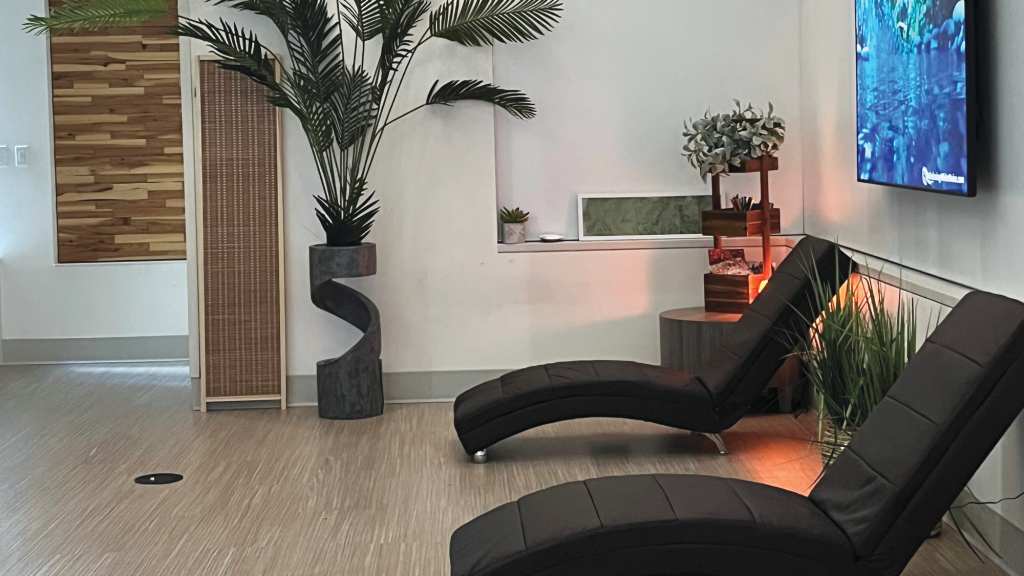
- Defined zones: Creating specific areas for work, relaxation, and inspiration improves efficiency. For instance, setting aside a corner with comfortable seating for brainstorming can separate creative endeavors from rigorous tasks, allowing your mind to switch gears more easily.
- Natural light: Incorporating ample lighting enhances mood and promotes alertness. Studies have shown that exposure to natural light can improve productivity by up to 15%, making it vital to choose a workspace that maximizes sunlight usage or, if that’s not possible, to invest in quality lighting that mimics daylight.
Why Minimalism Matters in Time Management
In America, fast-paced lifestyles often leave little room for chaos in our workspaces. The pressures of juggling multiple responsibilities can easily lead to overwhelm; hence, embracing minimalism can revolutionize daily routines by prioritizing what truly matters. By learning to design a physical space that enhances focus, individuals can take control of their time and increase overall productivity.
Consider the impact of incorporating a minimalist mindset not just at work but throughout daily life. For example, a simple decluttering session in your home can have analogous effects on your mental clarity as you approach work tasks. Minimalism encourages an intentional selection of items that bring joy and utility, paralleling the ethos of effective time management where only essential appointments and tasks should take precedence.
Creating a workspace that reflects minimalism does not necessitate an extreme overhaul; even small changes can yield significant results. Individuals are encouraged to start small—such as tackling one area at a time—gradually transforming their environments into hubs of productivity that respect both space and time. Ultimately, understanding the intimate relationship between your surroundings and your mental processes can lead to a more harmonious and efficient life.
DISCOVER MORE: Click here for insights on minimalism in the kitchen
Transforming Your Workspace for Enhanced Productivity
The physical space we inhabit does more than just house our belongings; it profoundly influences our behavior, mindset, and productivity levels. When it comes to time management, a minimalist environment can be a game changer. By stripping away unnecessary distractions and designing a workspace that promotes concentration, individuals can unlock their potential for efficiency and creativity.
Strategies for Creating a Minimalist Workspace
Achieving a minimalist workspace requires intent and strategic planning. Here are several actionable strategies that can lead to a more focused work environment:
- Embrace the power of empty space: Leaving surfaces intentionally blank can minimize distractions. A desk with only the essentials encourages deep focus on work tasks rather than the clutter of superfluous items.
- Utilize organizational tools: Invest in storage solutions that can house necessary documents and tools. Shelves, drawer organizers, and cable management systems can tidy up your space, helping to remove visual clutter and chaos.
- Personalize with purpose: While simplicity is key, adding a few carefully chosen personal items can inspire motivation. A photo, plant, or artwork can create a positive atmosphere without overpowering the minimalist aesthetic.
- Limit digital clutter: Just as important as physical space is the digital landscape. Organizing files, clearing desktops, and reducing notifications can create a harmonious balance that echoes the benefits of a physical minimalist environment.
The Psychological Benefits of Minimalism in Workspaces
Numerous psychological studies underscore the impact of a minimalist environment on mental clarity and focus. For instance, visual clarity translates to mental clarity, leading to better problem-solving abilities and enhanced creative thinking. Additionally, a clutter-free space is often associated with reduced feelings of anxiety and stress, creating a more conducive atmosphere for productive work.
Moreover, minimalism supports the principle of intentionality, which is critical in time management. When individuals curate their environments with purpose, they are more likely to allocate their time efficiently to tasks that matter most. This method can help prevent the pitfalls of multitasking and distractions that arise from a chaotic workspace.
In a world overflowing with stimuli, creating a minimalist environment at home or at the office can serve as a sanctuary for focus and productivity. Such efforts not only reflect a commitment to efficiency but also create a solid foundation for effective time management practices. By understanding how to cultivate a space that aligns with personal goals and aspirations, individuals can set themselves on a path toward enhanced fulfilment in both their professional and personal lives.
Creating a minimalist environment is not merely about decluttering physical space; it encompasses a comprehensive approach to how we interact with our belongings and surroundings to heighten our productivity and time management. A well-organized space enhances our ability to concentrate, as it reduces visual distractions and creates a calming atmosphere that fosters deep work. Consider the concept of “environmental psychology,” which emphasizes how our physical surroundings significantly influence our mood and behavior. For instance, studies show that colors, lighting, and even the arrangement of furniture can impact focus and cognitive performance. A minimalist workspace, often characterized by neutral colors and a lack of unnecessary items, can promote a sense of calm and clarity, crucial for effective time management. To further enhance focus, incorporating natural elements like plants can provide both aesthetic appeal and psychological benefits. Greenery not only beautifies the space but has been linked to increased creativity and decreased stress. Moreover, strategic zoning within a minimalist environment can be beneficial. For example, designating specific areas for different activities—such as a reading nook or a work desk—can help signal your brain for the kind of task at hand, helping to manage time effectively by compartmentalizing work modes. Ultimately, being intentional about the physical layout and aesthetic of your environment can lead to improved efficiency. As we strive for a more organized and minimalist space, we enhance not only our focus but our overall approach to time management in a bustling world rife with distractions. Therefore, curating your physical space becomes a critical consideration for anyone looking to optimize their productivity. —
| Category | Advantages of Minimalism |
|---|---|
| Focus Improvement | A decluttered space helps reduce distractions, enabling deeper concentration and better time management. |
| Increased Creativity | Incorporating natural elements can lead to greater inspiration and brainstorming, enhancing your working experience. |
DIVE DEEPER: Click here to discover how minimalist organization can enhance your well-being
The Connection Between Space and Time Management Efficiency
While the aesthetic appeal of a minimalist workspace is often highlighted, its impact on time management efficiency is equally significant. The arrangement and organization of physical space influence not only our ability to focus but also how we prioritize and allocate our time throughout the day. As work environments evolve, particularly in the wake of the pandemic, understanding this connection has never been more crucial.
Flexibility and Adaptability in Workspace Design
A minimalist environment encourages flexibility and adaptability, which are keys to effective time management. The concept of a dynamic workspace is gaining traction, leveraging open layouts and adjustable furniture to cater to individual preferences. For instance, a workspace that allows for standing desks can enhance alertness during long work periods, thus promoting enhanced productivity without noticeable fatigue. This adaptability empowers individuals to modify their setups according to their daily tasks, fostering a sense of control over their work environment and, consequently, their time management.
Impact of Natural Elements on Focus
Integrating natural elements into a minimalist working space has been shown to enhance focus and well-being. Studies reveal that incorporating elements such as plants can significantly reduce stress levels while increasing productivity. Furthermore, natural light has a profound impact on circadian rhythms, influencing overall cognitive performance. By arranging workspaces near windows or using light that mimics natural conditions, individuals can bolster their concentration and energy levels. The combined effect of reduced stress and enhanced focus leads to more efficient use of time, allowing individuals to accomplish tasks more effectively and swiftly.
Creating Routines Around a Minimalist Environment
A minimalist workspace serves as a vital backdrop for establishing effective routines, a core aspect of time management. The absence of clutter means fewer distractions and interruptions, allowing individuals to define and adhere to structured work periods. For example, implementing the Pomodoro Technique, where intervals of focused work are interspersed with brief breaks, works more effectively in a decluttered environment. By isolating themselves from visual noise, individuals can more easily dive into deep work and experience a greater sense of accomplishment at the end of each workday.
Moreover, a clear workspace fosters a mindset of discipline and intentionality. When surrounded by only the essentials, it becomes easier to resist the temptation of procrastination. This discipline encourages individuals to evaluate their priorities regularly and manage their time more wisely, ultimately contributing to improved productivity and job satisfaction.
Cultivating a Minimalist Mindset
Beyond the physical environment, adopting a minimalist mindset can positively influence time management capabilities. This mentality encourages individuals to question the necessity of activities and commitments, allowing them to prioritize what aligns with their long-term goals. By practicing mindfulness and awareness, individuals can identify tasks that truly contribute to their success while eliminating those that do not. The result is a more focused approach to work, where time is efficiently allocated to high-value activities, leading to enhanced overall productivity.
As the relationship between physical space and time management becomes increasingly recognized, embracing the tenets of minimalism can lead to tangible improvements in focus and efficiency. Whether at home or in the office, fostering a workspace that embodies simplicity can create the ideal conditions for not only managing time more effectively but also achieving a sense of satisfaction in one’s work life.
DISCOVER MORE: Click here to learn how to embrace a calmer lifestyle
Conclusion: Embracing Minimalism for Effective Time Management
As we navigate the complexities of modern work life, the importance of physical space as a pivotal factor in time management has become increasingly clear. A thoughtfully designed minimalist workspace does more than merely look appealing; it fundamentally transforms how we engage with our tasks. By reducing clutter and creating an environment that promotes focus and adaptability, individuals can significantly improve their productivity and time allocation.
The integration of natural elements into our workspaces, combined with the flexibility of dynamic setups, creates an atmosphere conducive to enhanced mental clarity. This critical link between environment and cognitive performance enables individuals to sustain their focus and efficiently manage their work hours. Furthermore, developing structured routines within a minimalist setting fosters discipline, allowing for more effective engagement with tasks through methods such as the Pomodoro Technique.
Adopting a minimalist mindset not only aids in prioritizing high-value activities but also facilitates a deeper understanding of our commitments. By recognizing what truly matters, we free ourselves from unnecessary distractions that can hinder our efficiency. The move towards simplicity, therefore, is not just about decluttering physical space; it’s a comprehensive shift towards more intentional living and productive work habits.
In conclusion, as we continue to evolve in our work environments, embracing the principles of minimalism can serve as a powerful strategy for enhancing focus and time management. By fostering a space that reflects simplicity and purpose, we empower ourselves to thrive in our personal and professional pursuits, paving the way for increased satisfaction in our daily efforts. The minimalist approach stands as a compelling invitation to rethink how we interact with our environments and, ultimately, our time.