Minimalism in Creating Meditation Spaces: How Simple Environments Can Facilitate Relaxation and Stress Relief Practice
The Importance of a Calm Environment for Meditation
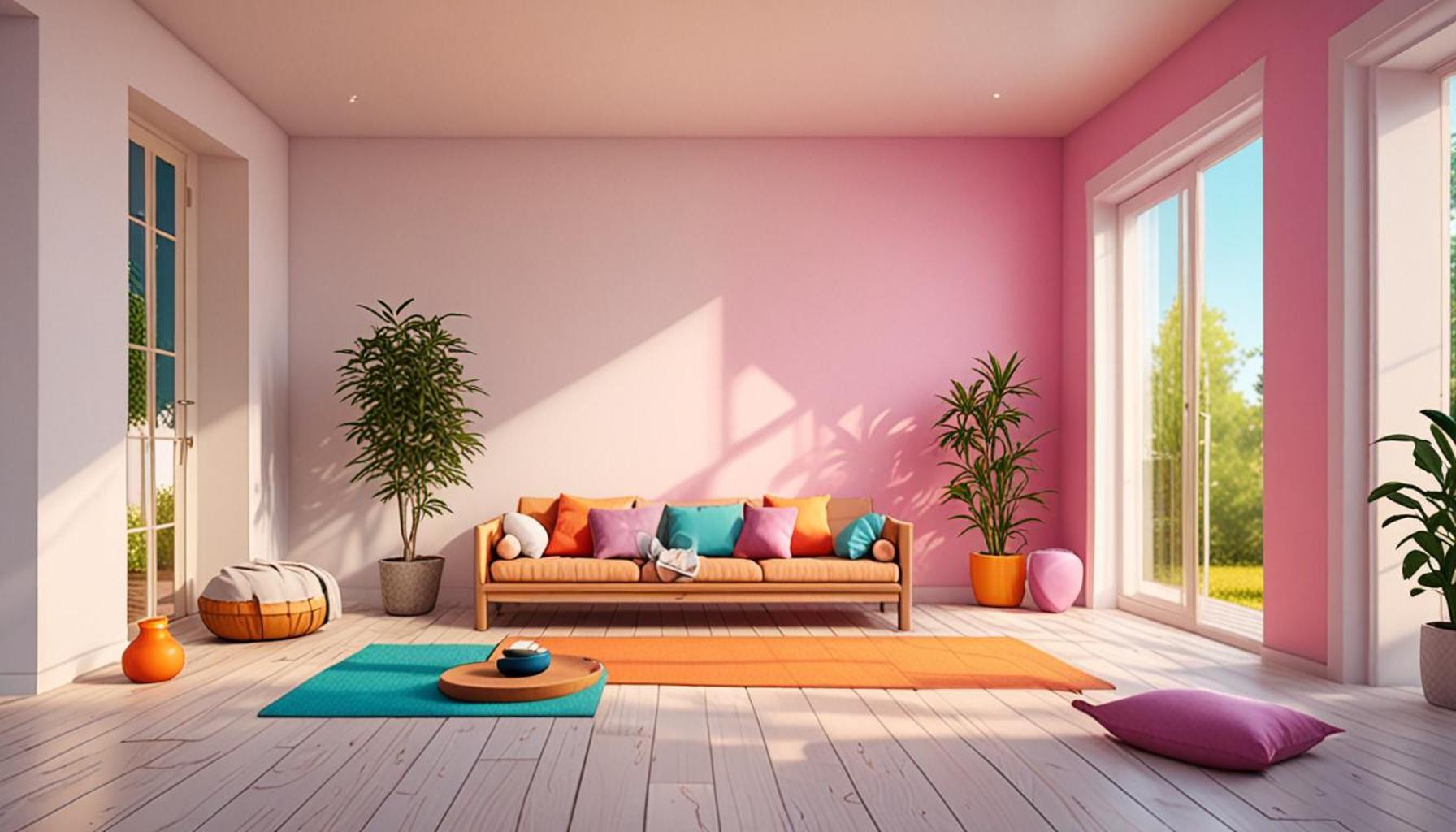
In our fast-paced and often hectic lives, finding moments of peace can be a daunting challenge. The demands of work, family, and social obligations can overwhelm our mental faculties, leaving little room for introspection and relaxation. Creating a dedicated meditation space is integral to fostering a routine that encourages stress relief and promotes mental clarity. By adopting a minimalist approach in designing these spaces, we can unlock significant improvements in our mental well-being.
Key Features of a Minimalist Meditation Space
When considering the attributes of a minimalist meditation space, several fundamental aspects come to the forefront:
- Decluttered Atmosphere: A clear space promotes a clear mind. By removing unnecessary items from your meditation area, such as bulky furniture or excessive decorations, you cultivate an environment that minimizes distractions. This simplicity allows for deeper concentration, whether you are practicing mindfulness or focusing on your breath.
- Natural Elements: Incorporating elements from nature, such as houseplants, stones, or wooden decor, can greatly enhance your sensory experience. A study by the University of Exeter found that environments filled with plants can boost feelings of well-being, reduce stress, and even improve cognitive function. Consider adding low-maintenance plants like succulents or ferns to your space to reap these benefits.
- Soothing Colors: The hues that surround you can play a pivotal role in creating a calming ambiance. Soft colors like whites, pastels, and earth tones can evoke feelings of tranquility. According to color psychology, shades such as soft blue and light green are known to have calming effects, making them ideal choices for your meditation space.
The Benefits of Minimalism in Meditation
Minimalism is not just about simplifying physical space; it extends to our mental state as well. By stripping away distractions, we create a true refuge for both mind and body. Research conducted by the American Psychological Association suggests that simpler environments can significantly reduce stress levels, thus promoting a more effective path to achieving a meditative state. A minimalist approach often encourages deeper introspection, fostering a stronger connection with one’s practice.
Embracing minimalism not only transforms your meditation experience but also advocates for a lifestyle centered around simplicity. This perspective can ripple into various facets of daily life—encouraging mindful consumption, reducing anxiety linked to clutter, and ultimately leading to a more grounded existence. By dedicating yourself to this approach, you can discover a newfound peace that transcends the boundaries of your meditation practice, enriching your day-to-day encounters with a sense of calm and clarity.
DISCOVER MORE: Click here for space-saving solutions
Designing Your Minimalist Meditation Sanctuary
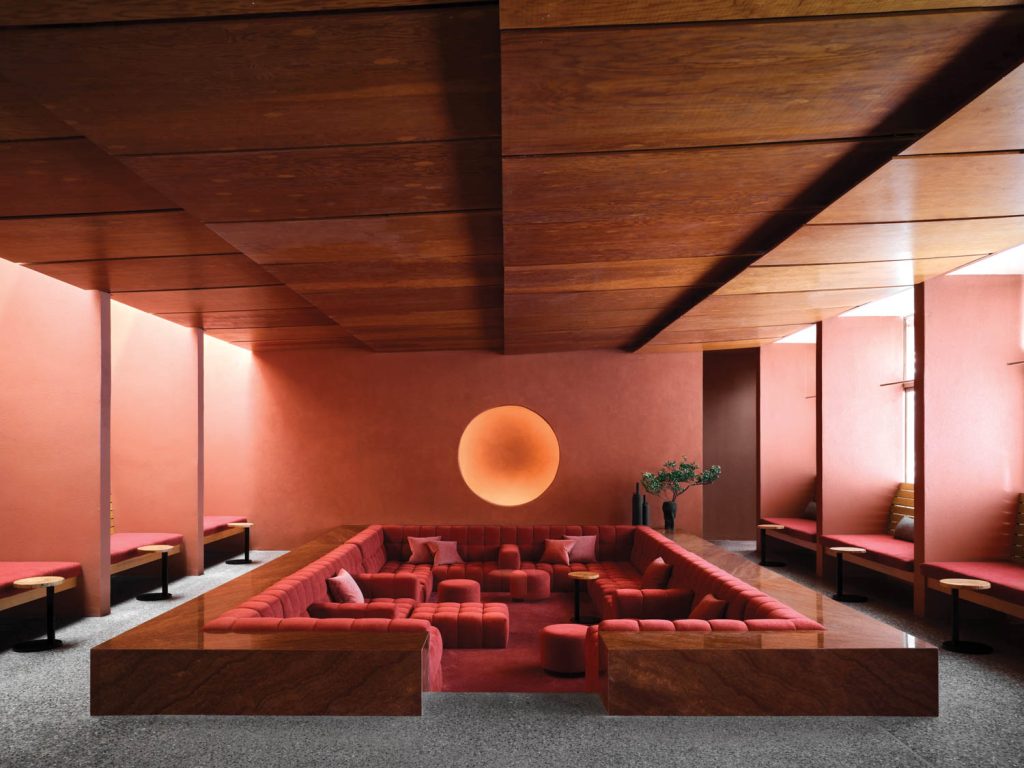
Creating a minimalist meditation space is a conscious decision to prioritize tranquility and simplicity. The act of designing this sanctuary involves thoughtful consideration of every detail to ensure that it supports your meditation practice rather than detracts from it. As the maxim goes, “less is more,” and this is particularly true when crafting an environment conducive to relaxation and mindfulness.
Essential Elements to Consider
When embarking on the journey to establish your meditation space, there are several key elements to consider that align with the principles of minimalism:
- Mindful Furniture Selection: Choose furnishings that are not only functional but also harmonize with the overall aesthetic of the space. A simple meditation cushion or a yoga mat can serve as the centerpiece of your area. Opt for pieces that are versatile, such as a foldable chair that can be easily stowed away, promoting a fluid and unobtrusive environment.
- Control of Lighting: Natural light plays a significant role in shaping our mood and atmosphere. Aim to create a space that utilizes soft lighting, allowing for adjustable brightness levels to suit your needs. Consider using dimmable lights or soft lamps to enhance the calming atmosphere, resembling the gentle glow of a sunset.
- Sound Management: The auditory landscape of your meditation space can either soothe or disrupt. Incorporating soft background sounds, such as nature recordings or white noise machines, can heighten your mindfulness experience. Additionally, consider soundproofing your area with soft textiles or rugs, which can absorb noise and create a more peaceful setting.
By paying attention to these elements, you can create a sanctuary that encourages relaxation and focus, free from the chaos of everyday life. Research by the Journal of Environmental Psychology emphasizes that environments designed with simplicity can enhance self-regulation and reduce mental fatigue, pointing to the profound impact of our surroundings on mood and mindfulness.
Personalizing Your Minimalist Space
While minimalism centers on simplicity, it does not mean your meditation sanctuary needs to be devoid of personality. Personalizing your space in subtle ways can foster a deeper connection to your practice. For instance, you might consider:
- Incorporating Personal Mementos: A framed photograph, a cherished stone or a meaningful quote can serve as gentle reminders of your intentions and motivations. Just ensure they resonate with you without inciting distraction.
- Using Aromatherapy: Infusing your space with calming scents—such as lavender or sandalwood—can significantly contribute to a more enriching experience. A small essential oil diffuser can blend seamlessly into your minimalist décor.
Minimalism promotes an ethos of intentionality, urging you to closely examine what you bring into your space. This practice of curating your meditation environment allows for heightened awareness and intentional choices, which can significantly enhance the effectiveness of your relaxation and stress relief practices.
Exploring the Elements of Minimalism in Meditation Spaces
When creating a meditation space rooted in minimalism, the objective is to strip away distractions and focus on simplicity, which ultimately enhances one’s ability to relax and find inner peace. The incorporation of natural materials plays a pivotal role in this endeavor. Elements such as wood, stone, and plant life not only add aesthetic value but also nurture a serene atmosphere that invites calmness. Color palettes, too, should remain neutral—think soft whites, beiges, or pastels—to avoid overwhelming the senses and distracting from the practice.
In addition to material selection, light holds a significant influence over the ambiance of a meditation space. Using natural light is advisable, as it fosters a connection with the outside world while being gentle on the eyes. Soft, ambient lighting from candles or lamps can also create a cozy and inviting atmosphere, making it conducive to relaxation.
| Category | Key Features |
|---|---|
| Natural Elements | Incorporating materials like wood and stone to enhance the natural feel. |
| Soft Lighting | Using natural light or soft ambient lighting to create a calming atmosphere. |
Furthermore, consider the arrangement of furniture in the space as an integral aspect of minimalism. Maintaining an open layout with limited furnishings allows for a clearer mind, reducing visual clutter that might interfere with the meditation practice. A simple cushion or mat can serve as a focal point for your meditation practice, allowing you to connect with the earth beneath you and the tranquility within you.
In essence, the principles of minimalism advocate for a harmonious environment where simplicity reigns, offering an escape from the chaos of daily life. Each element you choose should serve a purpose, drawing you one step closer to a relaxing and restorative meditation experience.
DIVE DEEPER: Click here to learn how technology can help you get organized</a
Creating Ambiance Through Minimalism
The ambiance of your meditation space plays a crucial role in shaping your experience. Minimalist design inherently emphasizes simplicity, and this is key to fostering a peaceful environment that complements your stress relief practice. By choosing elements that evoke calmness and clarity, you’ll create an atmosphere conducive to relaxation and mindfulness that can be as transformative as the practice itself.
Color Palette and Textures
The color palette you select can profoundly influence your mood. Soft, neutral tones such as pale blues, muted greens, or soft grays encourage a sense of serenity and focus. A study published in the journal Color Research and Application found that cooler colors are often associated with tranquility. In your minimalist meditation space, you might choose to paint the walls in these gentle hues or incorporate them through simple decor items like throw pillows or blankets.
Adding texture is another subtle way to enhance your space without overwhelming it. Consider natural materials, such as a jute rug or bamboo accents, which can bring warmth without adding visual clutter. These choices not only promote a connection with nature but also align with the minimalist ethos of sustainability and simplicity.
Nature Integration
Bringing nature indoors is a powerful way to enrich your meditation sanctuary while adhering to minimalist principles. Research indicates that exposure to nature can lower stress levels and promote mental well-being. This can be done through the careful selection of houseplants, such as snake plants or peace lilies, which are known for their air-purifying qualities.
Additionally, incorporating natural elements—like stones, driftwood, or seashells—can enhance your connection to the earth without contributing to physical or visual clutter. A small indoor water feature can also add soothing sounds, enhancing your auditory comfort during meditation.
Simplicity in Accessories
The accessories you choose to include should serve a purpose and enhance your meditation experience rather than complicate it. A well-placed clock can help you maintain a routine, while a simple, high-quality timer can keep your sessions focused. Instead of a collection of decorative items, opt for a single statement piece that resonates with you, such as a beautifully crafted candle holder or a unique incense burner.
Avoid the temptation to fill your space with many accessories—this can shift focus away from the meditation practice itself, creating unnecessary distractions. Remember, in minimalism, each item should be intentional and aligned with your intention of fostering a serene space.
The Power of Decluttering
Decluttering is a fundamental aspect of creating a minimalist meditation space. When your meditation area is free from excess belongings, it becomes easier to focus and relax. Studies from the Journal of Environmental Psychology have shown that individuals perform better in environments that are tidy and well-organized; thus, encouraging decluttering rituals can enhance your meditation practice.
Take the time to remove items that do not serve a purpose or evoke a sense of peace. This practice not only transforms the physical space but also cultivates a mental clarity that extends beyond your sanctuary, influencing your overall mindset and approach to stress management.
By prioritizing key elements and adopting a minimalist mindset, you can craft a meditation space that is simple, effective, and deeply supportive of your relaxation and stress relief practices. The intentionality behind each choice significantly contributes to your well-being and serves as a constant reminder of your commitment to a balanced life.
DISCOVER MORE: Click here to dive deeper
Embracing Minimalism for a Purposeful Meditation Experience
In conclusion, the practice of minimalism in creating meditation spaces serves as a profound approach to enhancing relaxation and stress relief. By focusing on simplicity and intentionality, individuals can transform their personal sanctuaries into serene environments that promote mindfulness and clarity. The careful selection of calming color palettes, natural textures, and essential accessories fosters a sense of peace while minimizing distractions that could detract from the meditative experience.
The incorporation of nature, whether through plants or natural elements, not only enriches the ambiance but also aligns with our inherent need for connection with the earth, enhancing well-being and tranquillity. Additionally, the act of decluttering is paramount; a clear and organized space reflects a clear mind, facilitating deeper states of relaxation and focus.
As you design your own meditation sanctuary, remember that minimalism is not merely about reducing physical possessions but creating an environment that nurtures your emotional and psychological state. Each element should contribute to your journey toward self-discovery and inner peace. This intentional practice of crafting a minimalist meditation space can lead to a holistic transformation in how you manage stress and embrace relaxation. By adopting these principles, you not only enhance your meditation practice but also cultivate a lifestyle that values simplicity and serenity amidst the chaos of modern life.