Minimalism in the Kitchen: Tips for Creating a Functional and Efficient Space with Essential Items
Transforming Your Kitchen into a Minimalist Oasis
A cluttered kitchen can often lead to stress and inefficiency. A chaotic cooking environment not only hinders your culinary creativity but can also make meal preparation feel overwhelming. By adopting a minimalist approach, you can transform this vital space into an organized haven that brings joy and efficiency to your cooking experience.
Here are some compelling reasons to consider embracing minimalism in your kitchen:
- Enhanced functionality: With fewer items in your kitchen, essential tools and ingredients are much easier to access. Imagine a well-organized drawer where every utensil has its place, allowing you to locate needed items quickly while cooking.
- Boosted creativity: A clean and open space allows your mind to wander freely. Without the distraction of a cluttered countertop, you may find inspiration to try new recipes or techniques, like perfecting that homemade pasta or experimenting with exotic spices.
- Reduced stress: A minimalist kitchen promotes a serene cooking atmosphere. Studies show that clutter can be visually and mentally overwhelming, leading to increased stress. By eliminating unnecessary items, you create a calming environment conducive to enjoying the cooking process.
Creating a functional and efficient kitchen doesn’t have to be complicated. Focus on essential items that streamline your cooking experience. Here are some features of a minimalist kitchen:
- Quality over quantity: Invest in versatile tools that serve multiple purposes. A good chef’s knife, for instance, can be used for chopping, slicing, and dicing, reducing the need for numerous specialized tools.
- Smart storage: Use organization systems that maximize space. Consider utilizing vertical storage solutions, such as shelving or wall-mounted racks, to keep frequently used items easily accessible while making the most of limited space.
- Mindful decoration: Choose decorations that add value without cluttering. A single, well-placed houseplant or a set of attractive canisters can enhance aesthetics while maintaining a clean, uncluttered look.
By implementing these principles, you can uncover the beauty of simplicity. The minimalist kitchen not only resonates with modern design trends but also enhances the joy of cooking and gathering with loved ones. Picture a gathering space where friends and family can come together, undistracted by excess, to enjoy shared meals and laughter.
Join the movement and discover how to rejuvenate your kitchen space effectively. The benefits of a minimalist kitchen extend far beyond aesthetics—they can lead to a more fulfilling, enjoyable cooking experience that aligns with a balanced lifestyle.
DISCOVER MORE: Click here to dive deeper
Essential Elements of a Minimalist Kitchen
To successfully transition into a minimalist kitchen, it’s crucial to understand which items truly belong in this streamlined space. A minimalist approach encourages not only a decluttered aesthetic but also a more functional cooking environment. Here are some exemplary components that can elevate your kitchen’s efficiency while focusing on what truly matters.
1. The Chef’s Knife: One of the most indispensable tools in any kitchen is a quality chef’s knife. This versatile instrument can take on various tasks, from chopping vegetables to slicing meats, eliminating the need for an array of specialized knives. By investing in a high-quality knife, you streamline your cooking process and enhance your culinary skills.
2. Multi-functional Cookware: Select cookware that can be used in multiple ways. For instance, a cast iron skillet is incredibly versatile, functioning effectively on both the stovetop and in the oven. It can be used for roasting, baking, frying, and sautéing, making it a true multi-tasker in your minimalist kitchen.
3. Simple Utensils: Minimalism calls for a careful selection of utensils that serve essential functions. Choose a few sturdy, essential items such as a spatula, wooden spoon, and tongs instead of a drawer filled with gadgets that may only be used occasionally. This simplification not only saves space but also ensures you have the right tools at your fingertips when you need them most.
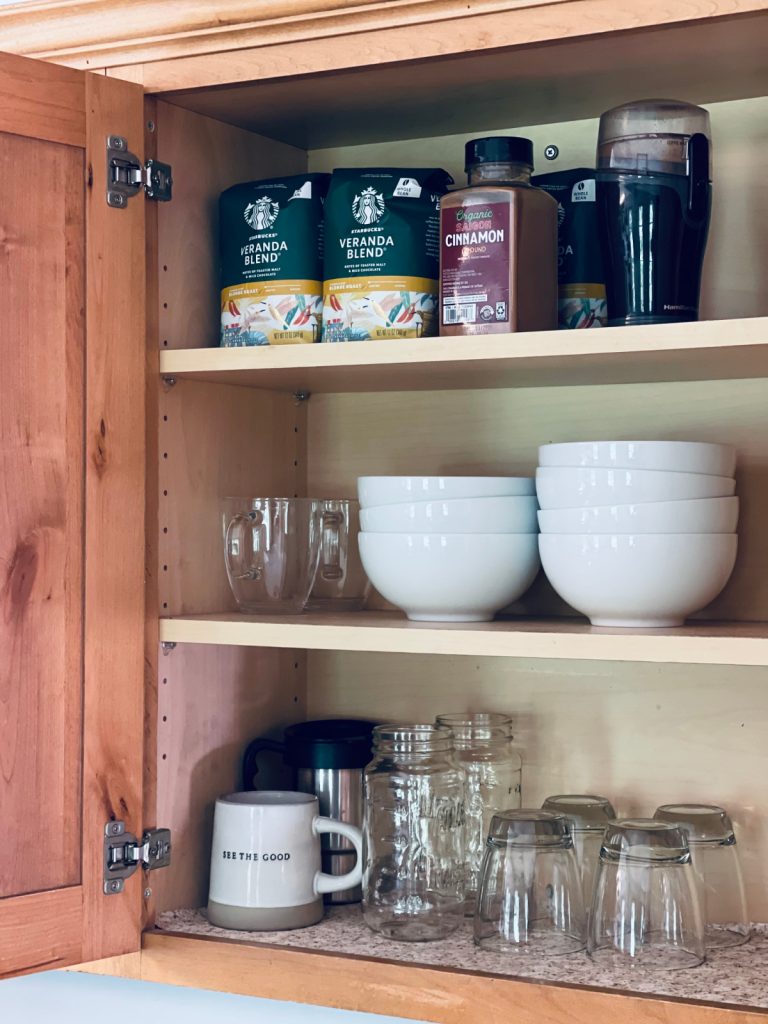
4. Efficient Storage Solutions: Implementing smart storage techniques is vital for a minimalist kitchen. Consider utilizing clear containers for pantry staples, allowing you to see what you have at a glance while preventing confusion and wastage. Drawer organizers can help keep utensils sorted, ensuring that everything has its own designated space. This organization minimizes clutter and chaos, enabling you to focus on cooking rather than searching for items.
5. Limited Dishware: Instead of a mismatched collection of plates, bowls, and glasses, opt for a few sets of versatile dishware that suit your dining needs. By selecting neutral or timeless designs that can transition from casual meals to formal gatherings, you create a cohesive look that enhances the sense of minimalism in your kitchen.
By surrounding yourself with only essential items and implementing functional storage strategies, you are setting the stage for a kitchen experience that is both enjoyable and mentally rewarding. Understanding what items truly serve you will allow you to cultivate a space that resonates with clarity, purpose, and practicality.
As you consider these elements, remember that the goal of a minimalist kitchen is not to create an empty space but to curate a functional area that prioritizes efficiency and creativity. Embrace the process of letting go of excess to make room for the essentials—a strategy that paves the way for a more enjoyable cooking journey.
Discovering the Essentials for a Minimalist Kitchen
Creating a minimalist kitchen is not just about reducing clutter; it’s also about making intentional choices that enhance functionality and efficiency. The goal is to surround yourself with only those items that serve a practical purpose or evoke joy. Here are some ideas and key considerations to help you design a space that reflects minimalist principles.
Curate a Thoughtful Selection of Tools
Consider investing in high-quality kitchen tools that can perform multiple functions. For example, a good chef’s knife can replace various gadgets like a vegetable peeler, tomato slicer, and herb chopper. A heavy-duty cutting board can serve as both a prep surface and a serving platter, eliminating the need for cluttered utensils. By choosing versatile tools, you create an uncluttered space while maintaining the functionality that a busy kitchen requires.
Open Shelving to Showcase Essentials
Utilizing open shelving not only displays your essential items but also encourages you to reconsider what is truly necessary. By limiting the need for bulky cabinets, you create a spacious atmosphere that endorses a minimalist approach. Choose elegant glass containers for storage, showcasing grains, pasta, and spices. This not only contributes to an organized space but also adds an aesthetic appeal, making even the most essential items a part of your kitchen décor.
Smart Storage Solutions
Maximize your kitchen’s functionality with smart storage solutions. Drawer organizers, vertical racks, and pull-out shelves can help keep your essentials accessible without overcrowding. For example, use a tiered spice rack rather than a traditional spice drawer, making it easier to find what you need quickly. In addition, consider utilizing the space above your cabinets for less-used items, keeping your daily essentials within arm’s reach.
Eco-Friendly Minimalism
Embracing minimalism means making choices that are also kind to the planet. Using sustainable materials and reusable items minimizes waste while aligning with the values of a minimalist lifestyle. Consider investing in bamboo cutting boards, stainless steel storage containers, and cloth napkins instead of disposable alternatives. These choices not only reflect your commitment to simplicity but also contribute positively to the environment.
Reflect Your Personal Style
A minimalist kitchen should also reflect your personality. Incorporate elements that resonate with you, like a collection of favorite cookbooks or unique dishware. When every item has meaning or aesthetic quality, the kitchen becomes a space of joy and creativity, rather than just a functionality-focused environment.In conclusion, by focusing on essential items, utilizing smart storage, and reflecting your personal style, you can create a minimalist kitchen that is both functional and visually appealing. This setup not only enhances your cooking experience but also provides a calming ambiance that improves your everyday life. Engaging with the principles of minimalism opens opportunities for a more peaceful and efficient kitchen space.
DISCOVER MORE: Click here to find out how less can be more
Designing a Functional Kitchen Layout
In addition to selecting essential items, a minimalist kitchen is also characterized by its functional layout. The way you arrange your space can greatly influence both cooking efficiency and your overall enjoyment of the kitchen. Here are some strategic pointers on how to create a layout that aligns with minimalist principles while maximizing utility.
1. The Work Triangle: One of the fundamental concepts to consider when designing your kitchen layout is the work triangle. This design principle focuses on the three main work areas—sink, stove, and refrigerator. By positioning these elements in a triangular formation, you can streamline your movements while cooking, reducing unnecessary steps and making the cooking process feel less chaotic. A distance of 4 to 9 feet between each point typically maximizes efficiency without crowding the space.
2. Decluttered Countertops: A minimalist kitchen thrives on clear surfaces. Keep your countertops largely free of unnecessary items by only displaying items you use daily, like your chef’s knife or a select few cooking oils. This not only enhances aesthetics but also fosters a focused cooking atmosphere, allowing you to immerse yourself in culinary creativity without distractions.
3. Smart Use of Vertical Space: When it comes to storage in a minimalist kitchen, vertical space cannot be overlooked. Wall-mounted shelves, pegboards, and magnetic strips can serve as excellent solutions for storing utensils and spices while leaving your countertops clutter-free. This approach not only maximizes storage but also adds a touch of modern design to your kitchen. Utilize decorative containers or jars to house everyday cooking ingredients, turning them into part of your kitchen’s aesthetic.
4. Integrated Appliances: The trend of integrating appliances not only contributes to a clean look but also frees up valuable kitchen real estate. Built-in models can oftentimes be more space-efficient than standalone counterparts, creating a seamless appearance while maintaining functionality. Additionally, consider appliances that combine functions, such as convection oven/toaster oven combos, which can help reduce the quantity of gadgets in your kitchen.
5. Natural Elements: Introducing natural elements into your kitchen can further enhance the minimalist vibe while promoting a sense of calm. Incorporate houseplants, fresh herbs, or even a small garden window to bring life to the room. Not only do plants contribute to better air quality, but they also provide aesthetic value and accessibility to fresh herbs, enabling you to effortlessly elevate your dishes.
By thoughtfully considering the layout of your kitchen, you not only streamline your cooking experience but can also cultivate a space that is visually appealing and well-organized. Remember that a minimalist kitchen is not about sacrificing function for simplicity; rather, it is about creating a harmonious environment where every element serves a meaningful purpose. Take your time to adjust your kitchen layout and essentials, allowing yourself to find the perfect balance that aligns with your cooking style and lifestyle.
DISCOVER MORE: Click here to dive deeper
Conclusion
In conclusion, embracing minimalism in the kitchen offers a refreshing approach to cooking and food preparation, focusing on essential items and streamlined organization. By prioritizing a functional layout, such as observing the work triangle and maintaining decluttered countertops, you encourage efficiency and creativity. The smart use of vertical space and the integration of multipurpose appliances further exemplify the minimalist ethos, making the best use of every inch available without compromising on style or utility.
Moreover, the addition of natural elements like plants or fresh herbs not only beautifies the space, but it also invites a sense of tranquility and well-being into the kitchen. As you reconsider the contents of your kitchen and the way you arrange them, remember that the goal is to create an environment that inspires joy and ease in your cooking endeavors. The essence of minimalism lies in intentionality—each item should serve a distinct purpose, contributing to a harmonious culinary experience.
Ultimately, embracing a minimalist kitchen can enhance your home life, making meal prep less about clutter and chaos and more about clarity and creativity. Whether you’re an avid cook or simply looking to simplify your space, explore the possibilities of minimalism, and witness how a thoughtful, well-organized kitchen can transform your culinary practices. The future of cooking lies not in the number of items you own, but in the intentionality behind them.