Cooking with Intention: How Minimalism Can Transform Your Approach to Food and Well-Being
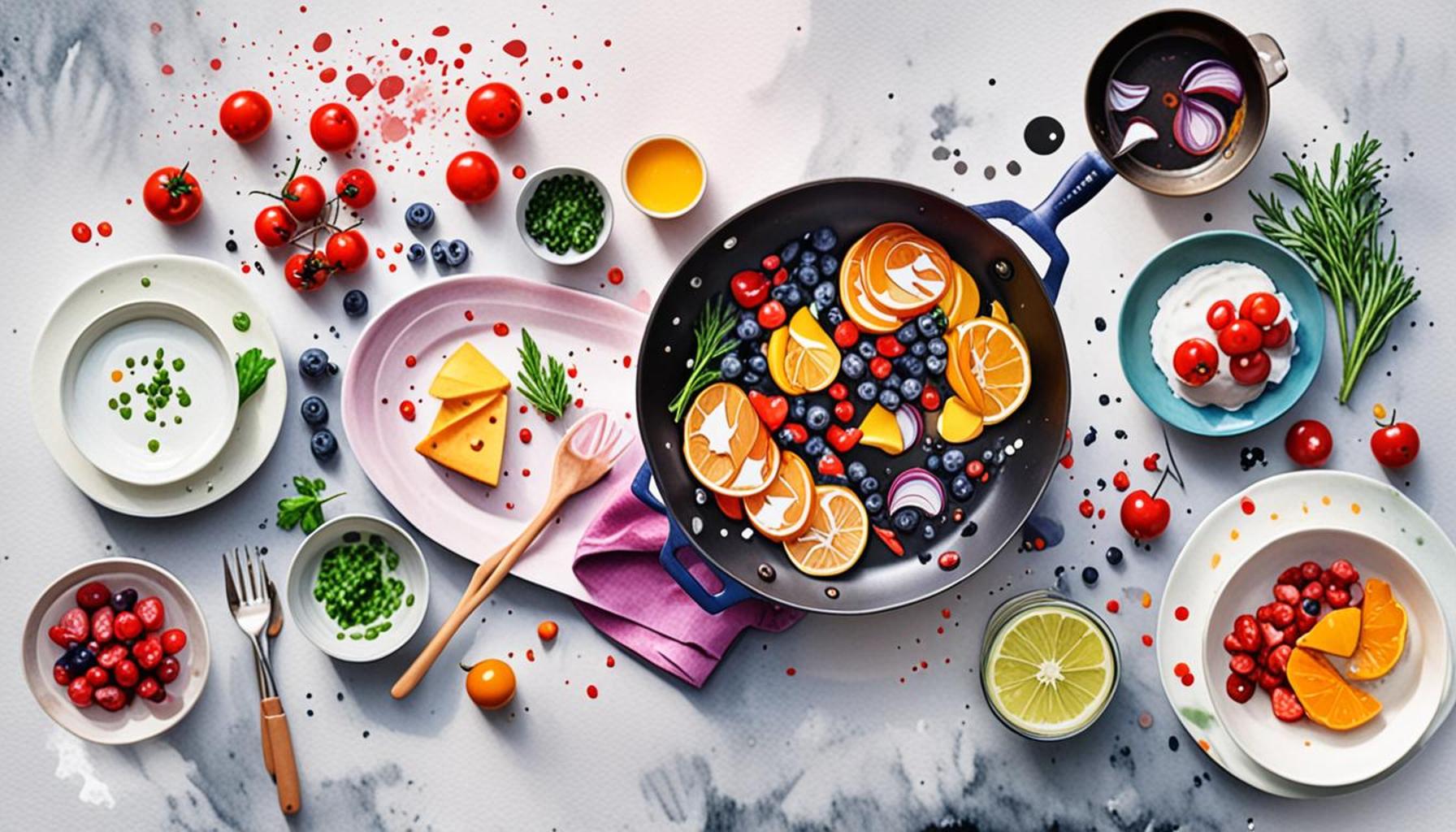
The Essence of Minimalist Cooking
In the whirlpool of fast-paced modern life, chaotic cooking often fails to provide the nourishment our bodies and minds crave. Adopting a minimalist approach in the kitchen can not only transform our meals but also rejuvenate our overall well-being. Moving away from the complexities of ingredient overload, minimalism in cooking invites simplicity, creativity, and mindfulness.
Think of simplicity as a canvas; fewer ingredients often lead to greater creativity. Instead of overloading a dish with every herb and spice available, minimalist cooking encourages the use of a few high-quality, fresh ingredients. For instance, a well-prepared tomato salad with just ripe tomatoes, high-quality olive oil, and fresh basil exemplifies how simple combinations can reveal exquisite flavors. This focused approach invites cooks to experiment and innovate with the limited ingredients they choose to highlight.
Focus is another vital benefit of intentional cooking. When you actively engage in the process of meal preparation, you become more aware of what you are creating. This mindfulness can serve as a form of meditation, allowing for a break from daily distractions. For example, chopping vegetables with care not only enhances the cooking experience but also fosters a deeper appreciation for the food itself. Each cut becomes intentional, each step in the process a mindful action.
Healthier choices emerge as a natural byproduct of a minimalist culinary lifestyle. By prioritizing whole, quality ingredients, you shift your diet towards nutrient-dense options. Instead of relying on processed foods filled with additives and empty calories, you might find yourself enjoying seasonal vegetables, lean proteins, and whole grains. This not only nourishes your body but can also lead to weight loss and increased energy levels.
Cooking with intention is about forming a genuine relationship with food. It allows us to understand how different ingredients impact our bodies and how our choices reflect our values and lifestyle. This nutrition-focused philosophy urges us to choose nourishing options that contribute to our health, rather than just satisfying cravings.
Moreover, a minimalist kitchen ethos strongly promotes waste reduction. Utilizing every part of your ingredients minimizes waste. For example, instead of discarding carrot tops, consider using them in pesto for an unexpected flavor twist. This conscious usage not only contributes to environmental sustainability but also encourages creativity in the kitchen.
Lastly, mindfulness enhances mental clarity and emotional balance. Cooking can become a therapeutic ritual, offering a break from the chaos of everyday life. The repetitive actions in the kitchen, from stirring pots to kneading dough, can provide a grounding effect, leading to a sense of calm.
As we embrace this transformative practice of intentional cooking, the impact extends beyond our plates, influencing our mindset and lifestyle overall. Join us in celebrating the virtues of simplicity, health, and a more thoughtful approach to food. Explore the world of minimalist cooking and discover how the art of preparation can profoundly enrich your culinary journey.
DIVE DEEPER: Click here for essential strategies
Reimagining Meals: The Benefits of Minimalist Approach
The benefits of minimalist cooking extend far beyond just simplicity; they resonate deeply within our approach to nutrition, sustainability, and mindfulness. Embracing this intentional style encourages a culinary philosophy that honors the beauty of food while nurturing our bodies and minds.
When we think about what it means to cook with intention, the first key element is the spotlight on freshness and quality. Minimalist cooking often yields the best results when we prioritize high-quality ingredients over a multitude of options. Instead of overwhelming your pantry with processed sauces and pre-packaged items, consider sourcing local produce, artisanal oils, and organic proteins. The art of a simple vegetable stir-fry becomes a showcase of seasonal bell peppers, fresh garlic, and vibrant greens, where each ingredient contributes uniquely to the dish’s overall taste.
Moreover, this focus elevates the home cooking experience, promoting healthier eating habits. Studies suggest that individuals who prepare meals with fresh, whole ingredients tend to consume fewer calories while increasing their intake of vital nutrients. In the quest for well-being, meal prep devoid of extraneous ingredients leads to dishes that are not only flavorful but also nourishing. Here are some simple ways minimalism can promote healthier eating:
- Mindful Eating: With simpler meals, you can savor each bite, fostering an appreciation for flavors and textures that often get lost in elaborate dishes.
- Portion Control: By focusing on quality over quantity, meals become satisfying without the need for overwhelming portions.
- Reduced Processed Foods: Emphasizing fresh ingredients minimizes reliance on unhealthy packaged foods, steering your diet toward whole, nutrient-rich options.
Another vital aspect of cooking with intention lies in its influence on environmental sustainability. A minimalist approach inherently challenges the mindless consumption habits prevalent in today’s society. By being conscious of ingredient sourcing and utilization, one can significantly decrease waste in the kitchen. The practice of using food scraps can turn mundane cooking into a creative endeavor. For example, vegetable trimmings can find new life in homemade stocks, while overripe fruits can transform into smoothies or sauces.
In addition to sustainability, mindfulness plays a crucial role in the minimalist cooking process. Each cut, stir, and simmer can become an exercise in presence, allowing for a meditative experience that disconnects from daily distractions. Engaging fully in the act of cooking sparks a deeper connection with food and ourselves. This connection encourages reflection on our choices and habits, fostering a healthy lifestyle that extends beyond the plate.
By integrating the principles of minimalism into your cooking routine, you’re not only nurturing your body with wholesome ingredients but also promoting a mindful, impactful relationship with food. As we delve deeper into the nuances of intentional cooking, we will explore practical techniques and real-life applications that can elevate your culinary experience, making cooking a joyful and enriching practice.
| Advantage | Description |
|---|---|
| Enhanced Focus | By minimizing distractions, cooking with intention allows individuals to fully engage with flavors, textures, and aromas, leading to a more fulfilling culinary experience. |
| Mindful Eating | Embracing minimalism in cooking promotes mindfulness, encouraging individuals to appreciate food as nourishment rather than just fuel, enhancing overall well-being. |
Integrating the principles of minimalism into your cooking approach fosters a deeper connection with food, promoting not only culinary skills but also a sense of health and wellness. This transformative methodology highlights the beauty in simplicity, positioning food as both an art form and a vital source of nourishment. Through intentionality, individuals can embrace healthier choices, reduce food waste, and cultivate gratitude for the ingredients they choose. Furthermore, this approach supports sustainability, enabling a more conscious lifestyle that resonates with contemporary values. Moreover, delving into the concept of mindful eating encourages individuals to slow down and savor their meals, resulting in better digestion and a more profound appreciation of flavors. Adopting such practices can lead to significant lifestyle changes, inviting readers to rethink not just their diets, but also their relationship with food itself.
DISCOVER MORE: Click here to learn how to simplify your life
Intentional Cooking: Techniques to Enhance Flavor and Well-Being
As we continue to explore the transformative power of minimalism in cooking, it becomes clear that the methods we employ can significantly enhance both flavor and our relationship with food. By adopting a few intentional techniques in the kitchen, you can not only elevate your culinary creations but also foster a deeper connection to your meals.
One powerful technique is the art of seasoning. When you choose fewer ingredients, seasoning becomes paramount in drawing out the natural flavors of each component. Mastering the use of herbs and spices can turn a simple dish into a gourmet experience. For example, a sprinkle of fresh basil or a dash of smoked paprika can significantly enhance roasted vegetables, drawing attention away from the need for complex sauces and toppings. A well-seasoned dish invites a deeper appreciation of the ingredients while encouraging you to focus more on the quality rather than the quantity of what is on your plate.
Aside from seasoning, the method of preparation also plays a vital role in minimalist cooking. By embracing various techniques—such as roasting, grilling, or fermenting—you can enhance flavors while maintaining the integrity of each ingredient. For instance, roasting vegetables at high heat caramelizes their natural sugars, bringing out delicious depth in flavor without the need for heavy sauces. Similarly, fermenting vegetables not only adds a unique taste profile but also introduces beneficial probiotics, supporting gut health and overall well-being.
Furthermore, engaging in batch cooking can align with minimalist principles while saving time and resources. By preparing larger quantities of intentional meals, you can ensure you always have nutritious options ready to go throughout the week. Simple, versatile components—like grains, legumes, and roasted vegetables—can be made in advance and combined in countless ways to keep meals exciting. This practice not only reduces food waste but promotes a sustainable approach to meal planning.
Additionally, consider the impact of cooking tools and gadgets to reinforce a minimalist mindset. Reducing the number of kitchen gadgets to only those that truly serve a purpose allows you to remain focused on your cooking. A high-quality chef’s knife, a sturdy cutting board, and a reliable saucepan can do wonders when you’re preparing meals with intention. When you’re equipped with the right tools, the act of cooking becomes more enjoyable and efficient, transforming the kitchen into a sanctuary of creativity.
Another often-overlooked aspect of intentional cooking is the importance of the atmosphere in which we prepare our meals. Creating a calming kitchen environment, free from distractions, can enhance the cooking experience. Some may find joy in playing music, lighting a candle, or even inviting friends to participate in the cooking process. This sense of community not only elevates the meal but strengthens the bond shared over food, highlighting the importance of connection in our cooking journey.
Ultimately, by embracing these techniques and enriching your approach to cooking with intention, you can create meals that are not only nourishing but also soul-satisfying. Each aspect—seasoning, preparation, batch cooking, tools, and atmosphere—plays a crucial role in cultivating a mindful relationship with food that extends beyond nutritional value to encompass well-being.
DISCOVER MORE: Click here to learn about decluttering for kids
Conclusion: Embracing Minimalism for a Nourished Life
In a world overflowing with culinary distractions, cooking with intention through a minimalist lens offers a refreshing perspective on food and well-being. By distilling our cooking practices down to the essentials, we empower ourselves to focus on quality over quantity, enabling us to truly savor every bite. The intentional use of seasoning, diverse preparation techniques, and the implementation of batch cooking not only enhances the flavors of our meals but enriches our experience in the kitchen.
Moreover, the conscious selection of tools and the creation of a pleasant atmosphere around our cooking space foster a deeper emotional connection to the act of preparing food. This connection transforms meals into opportunities for creativity and community, enhancing our overall well-being and inviting mindfulness into our routines. Each ingredient becomes a building block of not just nourishment but of joy and satisfaction in our everyday lives.
Ultimately, the journey towards a minimalist cooking style encourages us to explore our relationship with food thoughtfully. It invites us to reconsider how we engage with what we consume, promoting sustainability, and reducing waste along the way. By embracing minimalism in cooking, we cultivate not only healthier meals but also a profound sense of fulfillment and intentionality that resonates throughout our lives. So, let us step into the kitchen with purpose, transform our plates, and nourish our bodies and minds.