Tips for Creating Functional Spaces: The Art of Organizing with Less
Discovering the Power of Minimalism
In our fast-paced world, the omnipresence of clutter can often lead to chaos in our daily lives. As more and more people seek to escape the distractions of modern life, mastering the art of organization is paramount. Beyond mere aesthetics, creating functional spaces can significantly enhance productivity, stimulate creativity, and reduce stress levels. Embracing simplicity has never been more essential, especially in a culture that often equates success with accumulation.
Why Less is More
The transformative powers of adopting a minimalist lifestyle can be observed in various aspects of life. Among its many advantages are:
- Increased Focus: A tidy, organized space fosters a clear mind, allowing individuals to concentrate on their tasks without the distractions of excess belongings.
- Time Savings: When everything has a designated place, one can save valuable time spent searching for items, making day-to-day tasks more efficient.
- Enhanced Relaxation: A serene and uncluttered environment can significantly lower anxiety levels, creating a peaceful retreat from the hustle and bustle of everyday life.
Moreover, studies have shown that people who adopt minimalism often report higher levels of satisfaction and lower rates of stress. For instance, one survey conducted by a leading wellness organization found that individuals living in organized spaces experienced 42% less stress compared to those surrounded by clutter.
Practical Strategies
To effectively create functional spaces, consider integrating these organizing strategies into your routine:
- Declutter Regularly: Make it a habit to periodically evaluate your belongings. Set aside an hour each month for a mini decluttering session. Decide what items you genuinely need, what can be donated, and what should simply be discarded.
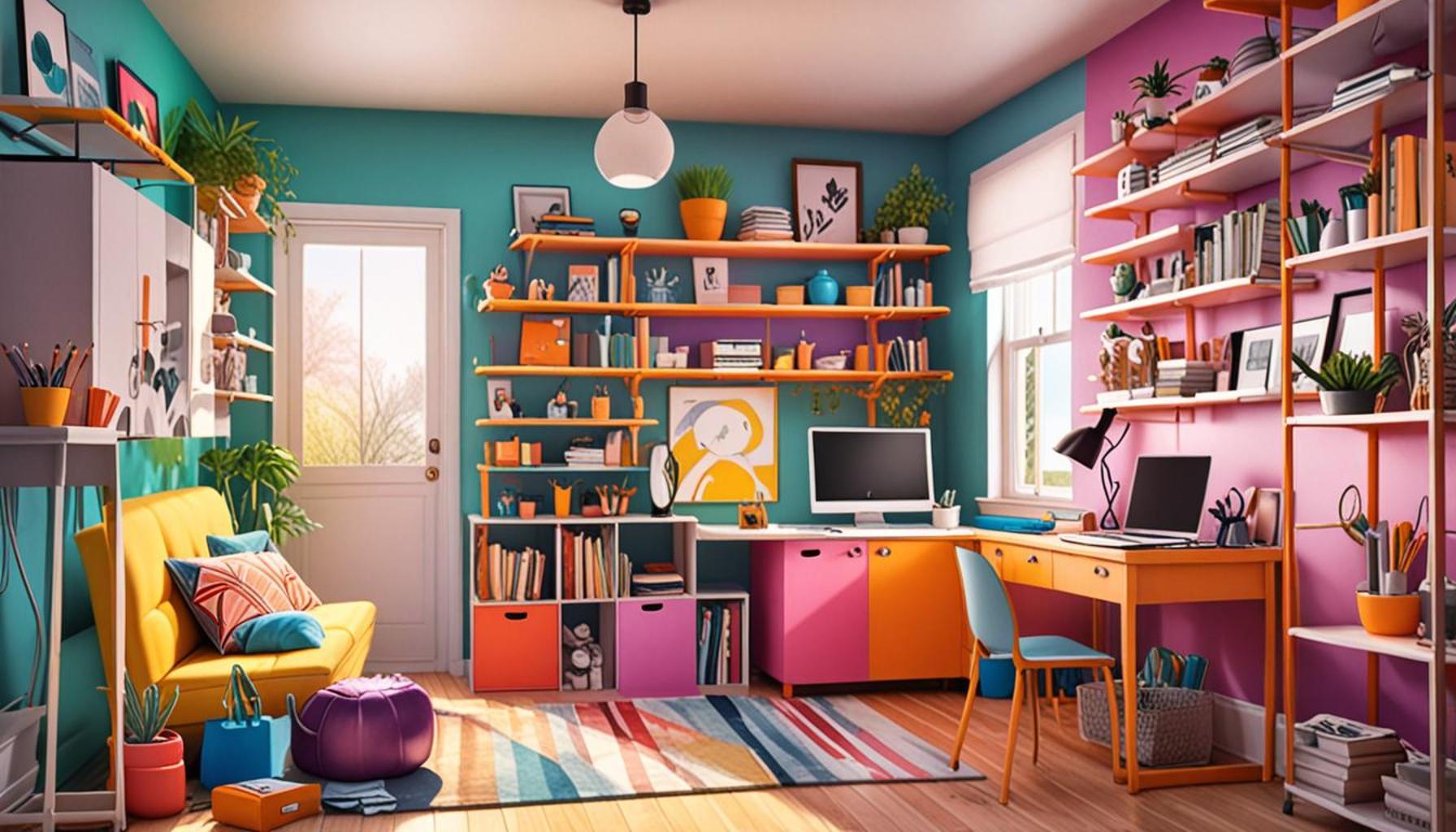
- Maximize Storage: Take advantage of vertical spaces and multipurpose furniture. For example, wall-mounted shelves can hold books and decorative items, while storage ottomans can serve as seating and hideaway spots for blankets or games.
- Create Zones: Designate specific areas for different activities or items. This could mean carving out a cozy reading nook in your living room or establishing a dedicated workspace within your home office. Each zone should serve a purpose, simplifying your daily routines.
By embracing and implementing these techniques, individuals can not only declutter their physical environments but also invigorate their overall lifestyles. The journey into minimalism is not just about reducing possessions; it is also about making way for experiences, relationships, and mental well-being. As we delve deeper into the world of organization, let’s explore how these simple yet powerful strategies can profoundly impact our lives and lead us to create spaces that function seamlessly for our needs.
DISCOVER MORE: Click here to enhance your creativity and mental clarity
Transforming Spaces Through Intentional Design
Creating functional spaces that are both practical and aesthetically pleasing requires a distinct approach to organization. Beyond merely minimizing clutter, the goal is to cultivate environments where each item serves a purpose and contributes to daily life. As individuals embark on this journey, there are foundational principles to consider that can significantly influence the outcome.
Understanding the Essentials
Before diving into organizing techniques, it’s essential to grasp what makes a space functional. The following elements play crucial roles in determining whether a space supports or hinders our daily activities:
- Accessibility: Ensuring that frequently used items are easy to reach is a cornerstone of functionality. Group similar items together and arrange them in a manner that prioritizes convenience.
- Versatility: Choose furniture pieces and storage solutions that serve multiple purposes. For instance, a dining table can double as a workspace, allowing for fluid transitions between different activities throughout the day.
- Aesthetics: While functionality is vital, the visual appeal of a space should not be overlooked. A well-designed area can inspire creativity and promote well-being, making it essential to select colors, textures, and decor that resonate with personal style while remaining practical.
To illustrate, consider the common challenges of a small apartment. Items are often crammed into closets or laid out haphazardly, making it difficult to maintain order. By examining the essentials outlined above, residents can think critically about their needs. Perhaps a low-profile bookcase can house both books and decorative accessories, transforming storage into an integral part of the living environment. Furthermore, setting a bi-monthly checklist to reassess the utility of each item in these smaller spaces can foster continual improvement and adaptability.
Embracing Intentionality in Organization
The act of organizing is not merely about rearranging items; it’s about making conscious choices. Below are strategies that reinforce intentionality in your organizing efforts:
- One In, One Out Rule: To prevent accumulation, adopt a principle where for every new item introduced, an old item must be removed. This keeps spaces from becoming overcrowded and encourages mindful consumption.
- Storage Solutions: Invest in stylish storage options that blend seamlessly with your decor. Decorative baskets or bins can be both functional and attractive, providing a stylish way to tuck away toys or craft supplies.
- Labeling: Make it easy to find items by labeling storage containers. This simple act reduces the time spent searching and reinforces a sense of order.
These methods exemplify how creating functional spaces can weave together the threads of simplicity, aesthetics, and purpose. By recognizing and implementing these strategies, individuals can transform their environments into harmonious sanctuaries that align with their lifestyles. As we further explore the art of organizing, we’ll uncover more nuanced tactics to refine and enhance our spaces, always aiming to embrace the spirit of minimalism.
| Category | Key Features |
|---|---|
| Minimalism | Promotes clean lines and open spaces for improved focus. |
| Efficiency | Streamlined functioning of spaces by reducing clutter and enhancing utility. |
| Sustainability | Utilizing recycled materials promotes eco-friendly habits. |
| Versatility | Multi-functional furniture enhances day-to-day usability of space. |
Embracing the concept of minimalism can result in a dramatic transformation of your spaces, emphasizing open areas and creating an atmosphere that fosters focus. This can be particularly advantageous in home offices or creative spaces, as reduced clutter allows for clearer thinking and increased productivity. The efficiency gained from organizing with less is not merely aesthetic; it improves functionality and everyday usability.Furthermore, incorporating sustainable practices by using recycled materials not only enhances your living environment but also reflects a commitment to eco-friendly habits. This approach has gained traction among conscientious decorators seeking harmony between style and responsibility.Consider versatile furniture options that serve multiple purposes, transforming your living area into a dynamic environment that adapts to your needs. This strategy ensures that every piece of furniture adds significant value, making the most out of limited space while maintaining functionality. Discovering and applying these principles can dramatically impact how you view and utilize your living area.
DISCOVER: Click here to simplify your kitchen
Maximizing Space Through Strategic Organization
To truly master the art of creating functional spaces, one must delve into the intricacies of strategic organization. This involves not only the arrangement of items but also how we perceive and utilize the space available. With a few mindful adjustments and clever design strategies, anyone can optimize their environment to enhance productivity and comfort.
Prioritizing Multi-Functional Areas
In today’s fast-paced world, we often find ourselves taking on multiple roles throughout the day. This makes it essential to design areas that can seamlessly transition between different functions. Consider transforming your living room into a workspace with a few simple modifications:
- Flexible Furniture: Opt for furniture that can easily be rearranged or repurposed. A sofa bed can turn your sitting area into an overnight guest room, while a foldable desk can provide workspace without occupying permanent real estate.
- Defined Zones: Use rugs or furniture arrangement to delineate different areas within one room. A small coffee table can create a cozy reading nook, while the opposite side of the room remains suitable for socializing.
- Wall-Mounted Solutions: Take advantage of vertical space by installing shelves, pegboards, or wall hooks. These features can display decor items, store frequently used tools, or hold craft supplies without encroaching on floor space.
This approach surfaces a myriad of possibilities for maximizing space usage while maintaining ease of access and visual appeal.
Routine Maintenance and Reflection
Creating functional spaces isn’t just a one-time endeavor; it is an ongoing process that involves regular assessment and adjustment. One effective way to ensure your space remains functional is to establish routine check-ins:
- Weekly Tidying: Set aside time each week for light organizing. This ongoing upkeep reduces the likelihood of clutter building up, making it easier to maintain a peaceful environment.
- Seasonal Evaluations: Each season, take time to thoroughly evaluate your items. This is a perfect opportunity to donate, recycle, or repurpose belongings that no longer serve a purpose or bring joy.
- Adaptable Systems: Implement adjustable organizing systems that can evolve with your needs. For instance, modular shelving can be rearranged or expanded to accommodate changes in belongings or lifestyle.
By routinely reflecting on how items serve their purpose, individuals foster adaptability within their spaces, thus aligning their environments with their ever-changing lives.
The Psychological Impact of Organization
The effects of organization extend beyond the physical realm, tapping into psychological benefits as well. A well-organized living space can significantly enhance mental clarity and emotional well-being. Consider these aspects:
- Reduced Stress: Clutter can create a sense of chaos, amplifying feelings of anxiety or stress. A streamlined environment promotes tranquility, allowing for better focus on tasks at hand.
- Increased Productivity: An organized space leads to fewer distractions, allowing for increased efficiency. Whether you’re working from home or managing household responsibilities, a clutter-free environment can improve concentration and output.
- Enhanced Creativity: Aesthetic organization encourages creative thinking. When your environment is visually appealing and well-structured, it helps in sparking inspiration and innovative ideas.
These psychological dimensions emphasize that organizing is not just about aesthetics or functionality; it is a holistic approach that contributes to a balanced and fulfilling life.
DIVE DEEPER: Click here to uncover the benefits of minimalism
Embracing Simplicity for Enhanced Functionality
In the pursuit of functional spaces, the principle of “less is more” offers invaluable guidance. By carefully considering the arrangement and purpose of each item in your environment, you create a harmonious atmosphere that fosters productivity and well-being. The strategies discussed—from prioritizing multi-functional areas to maintaining a routine of organizational check-ins—empower individuals to reshape their surroundings authentically and meaningfully.
Moreover, the psychological benefits of organization reinforce the importance of decluttering our spaces. Reducing physical clutter not only transforms your environment but also catalyzes mental clarity, reduces stress levels, and enhances overall creativity. Emphasizing functional design through versatile furniture, well-defined zones, and smart storage solutions promotes an efficient lifestyle that adapts to our evolving needs.
As we continue to navigate the complexities of modern living, creating functional spaces becomes vital in our quest for balance and fulfillment. Embracing these organizing tips can empower you to transform your home or workspace into a sanctuary where every item serves a purpose, reflecting the essence of a well-ordered life. Remember, this journey is not merely about aesthetics; it is a commitment to cultivating environments that nourish our mental and emotional states. So, take a step back, reassess your surroundings, and embark on the rewarding journey of organizing with less for a more functional and serene life.