Reduction of Clutter and the Importance of Connection: How Organized Space Can Strengthen Personal Relationships
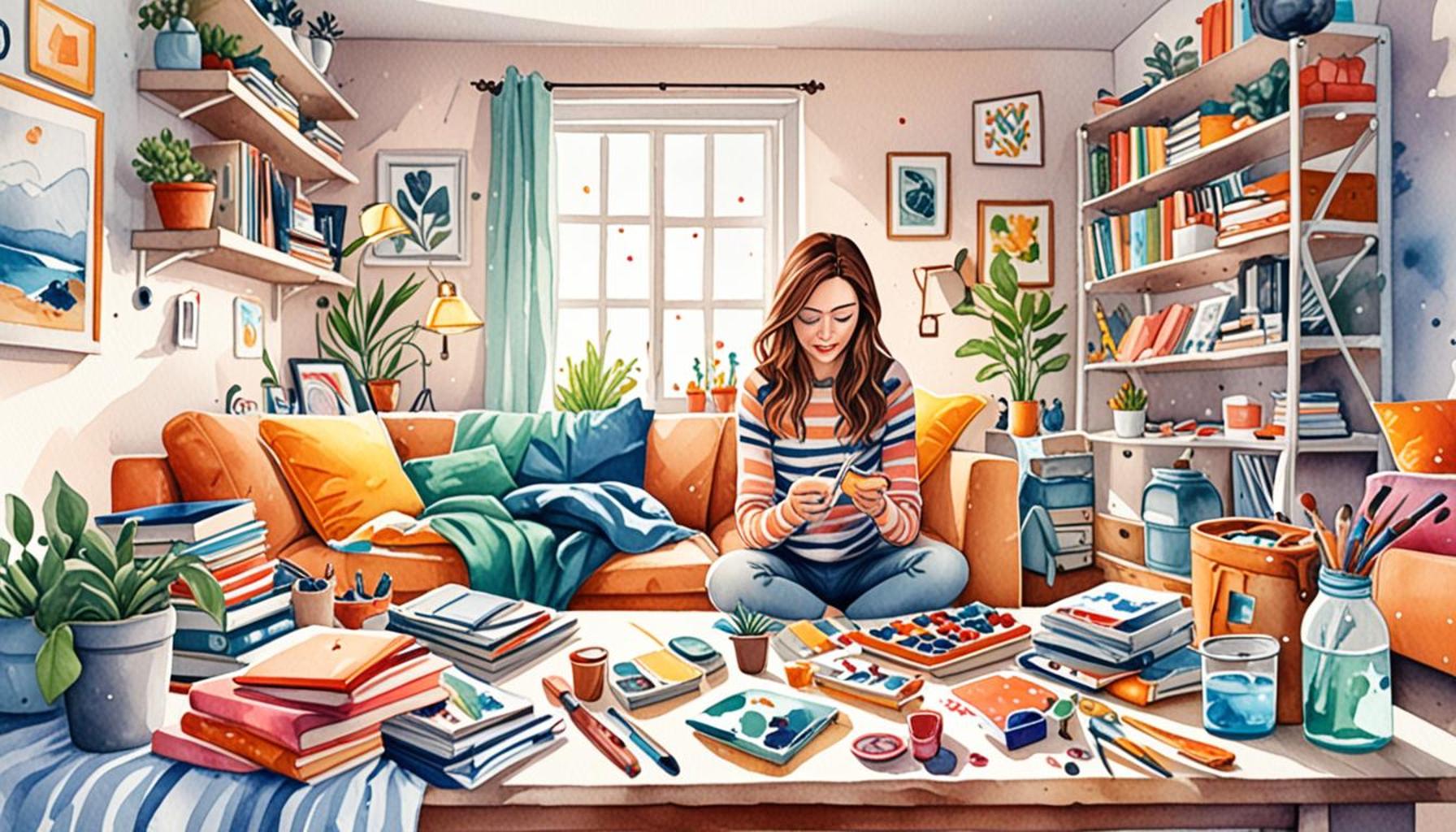
The Importance of Decluttering
In an era dominated by consumerism and materialism, many people are overwhelmed by the sheer amount of belongings they accumulate. This clutter doesn’t just take up physical space; it can also seep into our emotional lives, impacting how we relate to those around us. It’s important to recognize that reducing clutter is not merely about tidying up but is essential for enhancing our interpersonal relationships.
Improved Focus
One of the most immediate benefits of decluttering is improved focus. A tidy environment helps clear the mental fog that often accompanies disorder. When our physical surroundings are organized, we can direct our attention more fully to conversations and experiences with others. For instance, consider the difference between trying to engage with a friend in a cluttered living room versus one that’s clean and orderly. The latter allows for deeper connections, where conversations can flow without the distraction of scattered belongings.
Stress Reduction
An organized home can mean a much more relaxed lifestyle. Clutter can be a source of anxiety, evoking feelings of being overwhelmed. According to studies from psychological researchers, individuals residing in cluttered environments often report sensations of confusion and stress. This clutter-induced anxiety can create tension in relationships. Therefore, a more organized space contributes to stress reduction, fostering an environment where individuals feel more at peace and, as a result, more open to meaningful interactions.
Enhanced Communication
Many relationships falter due to poor communication. Clutter-free homes can play a significant role in enhancing communication among family members and friends. By minimizing distractions, individuals can focus on discussing important matters. For instance, family meetings held in a calm atmosphere free from chaos can lead to more productive discussions and resolutions. This kind of environment encourages open dialogues, where issues can be addressed without the backdrop of visual noise.
The Social Aspect of Decluttering
Moreover, consider how a clutter-free space affects social gatherings. A clean, organized environment is not only inviting but also conducive to connection. Imagine hosting a dinner party where guests can comfortably navigate your space and focus on engaging with one another rather than sidestepping piles of magazines or boxes. The joy of hosting is enhanced when the atmosphere is welcoming, allowing friendships to strengthen and flourish.
Taking the time to declutter not only clears out physical space but signifies a commitment to nurturing emotional health and personal relationships. As you embark on the journey of organization, reflect on the connections you prioritize and how a harmonious environment can enrich those relationships.
In the following sections, explore practical strategies for decluttering and discover how you can create an atmosphere that resonates with peace and connection, ultimately transforming your interpersonal dynamics.
DISCOVER MORE: Click here to unlock the benefits of decluttering
The Connection Between Clutter and Relationships
Understanding the relationship between clutter and personal connections reveals that the impact of a disorganized environment extends beyond mere aesthetics; it can profoundly influence our interactions. Clutter can act as a barrier to emotional connection, often manifesting as distractions during conversations or as sources of stress that inhibit genuine communication. Over time, these barriers can accumulate, creating an emotional distance between individuals. Therefore, addressing clutter becomes not just a method of maintaining a neat home but a vital part of nurturing personal relationships.
Physical and Emotional Clutter
It is crucial to differentiate between physical clutter and emotional clutter. Physical clutter refers to the tangible items that accumulate in our environments, while emotional clutter encompasses unresolved issues or feelings that can hinder our ability to connect. The environment we inhabit can often reflect our internal state. For instance, a home filled with unaddressed emotional baggage—be it arguments, past grievances, or disappointments—can manifest as a cluttered living space. This can stifle warmth and connection, making it increasingly difficult to engage authentically with loved ones.
The Ripple Effect of Decluttering
When we begin to reduce clutter, whether physical or emotional, we initiate a ripple effect that positively affects not just ourselves but also those we interact with. Here are several impacts that can be noticed when clutter is reduced:
- Better Mood: An organized space can enhance mood, creating an atmosphere that fosters positivity and connection.
- Increased Trust: A tidy environment signals respect not just for oneself, but also for others who share the space, leading to trust.
- More Quality Time: With fewer distractions, individuals can spend quality moments together, deepening bonds.
- Openness to Dialogues: Clear spaces often lead to clearer conversations; people feel more comfortable discussing matters without physical distractions.
Decluttering, therefore, serves as a foundation for an emotionally supportive environment. It invites individuals to engage more deeply, breaking down the barriers that clutter sets up. As you begin to organize your surroundings, consider how each item resonates with your current life, your relationships, and what serves a purpose in this chapter of your journey.
Finding a Balance
Recognizing the importance of connection in the context of an organized space is vital. It’s not about eliminating every single item; rather, it’s about finding the balance that allows for comfort, functionality, and joy in your home. A curated environment supports healthy relationships by providing a backdrop where individuals feel safe to express themselves, share experiences, and connect deeply without judgment or distraction. The act of decluttering can symbolize a renewed commitment to nurturing these connections, indicating that every item and moment spent together truly matters.
| Aspect | Impact on Relationships |
|---|---|
| Physical Space Organization | A tidy environment fosters open communication and reduces distractions, allowing for more meaningful interactions. |
| Emotional Clarity | An organized space can lead to clarity of thought, enabling individuals to express their feelings more freely, thus enhancing emotional connections. |
| Shared Responsibilities | Collaborating on keeping spaces organized creates a sense of teamwork and promotes unity within relationships. |
| Visual Appeal | A welcoming environment enhances mood and encourages social gatherings, thereby strengthening community connections. |
In examining the advantages of an organized space, one cannot overlook how it profoundly influences personal relationships. A clutter-free environment not only enhances communication but also fosters emotional clarity. Eliminating distractions allows individuals to engage in conversations that matter, paving the way for deeper connections. Furthermore, when family members or partners collaborate on keeping their space organized, it cultivates a spirit of teamwork that fosters unity. Visual appeal also plays a role; a well-maintained environment invites social interaction, leading to strengthened community ties. Ultimately, the act of decluttering goes beyond mere aesthetics; it serves as a catalyst for enhancing relationships in a variety of meaningful ways.
DISCOVER MORE: Click here to learn how decluttering can boost your creativity
The Psychological Benefits of an Organized Space
Delving deeper into the psychological implications of clutter, it becomes evident that an organized space can significantly enhance not only individual well-being but also foster deeper connections. Research suggests that the environment in which we spend our time influences our mental state. A clutter-free setting has been associated with reduced anxiety and increased feelings of safety, making it a conducive backdrop for nurturing personal relationships. When individuals feel calm and centered, they are more likely to engage in meaningful conversations and express themselves openly.
Creating a Sanctuary for Connection
Transforming your space into a personal sanctuary can profoundly influence the quality of interactions with loved ones. Elements such as lighting, color, and layout play an essential role in establishing the atmosphere of your home. Warm, inviting spaces encourage relaxation and openness, while chaotic environments can evoke stress and defensiveness. Simple changes, such as opting for softer colors or incorporating natural light, can create an inviting ambiance that invites connection. Moreover, arranging furniture to facilitate conversation rather than isolation is another practical step in promoting engagement among those who share the space.
Involving Others in the Decluttering Process
The act of reducing clutter can become a collaborative endeavor that strengthens bonds between family members or friends. Involving those around you in the decluttering process fosters a sense of teamwork and shared responsibility. As individuals discuss items to keep or discard, they naturally engage in conversations about memories associated with those items. This process not only leads to a more organized home but also serves as an opportunity for storytelling, bonding, and reflection. Engaging in decluttering together can also help individuals understand each other’s values and preferences, further solidifying the connections between them.
The Role of Ritual in Strengthening Relationships
Establishing rituals within an organized space can enhance connections to a significant degree. Regular family meals, game nights, or designated areas for shared hobbies can transform how individuals interact. The simple act of coming together in a clutter-free environment fosters a sense of belonging and continuity, which is essential for deepening personal relationships. Rituals help create stability in the chaotic world we live in, providing a consistent touchpoint for loved ones to connect and engage meaningfully. When spaces feel organized and welcoming, the likelihood of individuals gathering increases, leading to strengthened bonds.
Long-Term Benefits of Organized Spaces
Moreover, the long-term benefits of maintaining an organized environment manifest most strikingly in emotional resilience and relationship longevity. Studies indicate that individuals who maintain organized spaces tend to experience lower stress levels, leading to healthier communication patterns. In contrast to clutter, organized environments can foster problem-solving, as individuals are better equipped to tackle challenges without the mental fog of disorder. This heightened emotional clarity not only enhances individual well-being but serves as a foundation for fostering stronger, more resilient relationships.
In essence, the reduction of clutter is more than just an act of tidying up; it is a powerful tool for enhancing connection. By creating a space that resonates with harmony and purpose, individuals can cultivate an environment where relationships thrive and grow in meaningful ways.
DISCOVER MORE: Click here for practical strategies
Conclusion: The Transformative Power of Organized Spaces
In summary, the reduction of clutter serves not only as a practical solution for maintaining your living space but also as a profound catalyst for enhancing personal connections. An organized environment lays the groundwork for stronger relationships, fostering a sense of emotional well-being and safety that encourages open communication and deeper interactions. The psychological benefits of decluttering offer a fresh perspective on how our surroundings affect us—taking steps to create a more inviting, harmonious space cultivates the atmosphere needed for meaningful engagement.
As explored throughout this article, involving loved ones in the decluttering process can turn what might be a daunting task into a bonding experience, facilitating teamwork and shared memories. Rituals established in organized areas further solidify relationships by creating consistent opportunities for connection. When loved ones gather in a clutter-free sanctuary, they not only savor moments together but also strengthen their emotional resilience.
Ultimately, as we strive to maintain our physical spaces, it becomes crucial to recognize the ripple effects of an organized home on our interpersonal dynamics. By embracing the principles of connection through organization, we invite positivity and joy into our lives, ensuring our relationships not only survive but thrive in an ever-evolving world. The journey toward a clutter-free environment is a journey toward deeper connections, a reflection of our values, and an affirmation of the importance of our relationships.