Organization of Spaces for Children: Teaching the Little Ones about Decluttering from an Early Age
Creating Clutter-Free Environments for Kids
Every parent understands the constant challenge of maintaining an organized home. Clutter can accumulate surprisingly quickly, particularly in spaces occupied by children. Yet, instilling the value of decluttering in children from an early age can pave the way for lifelong skills that extend beyond mere organization. It can enhance their ability to concentrate, make them more independent, and improve their emotional well-being. Here’s how to simplify the decluttering journey and make it engaging for children.
Key Benefits of Teaching Decluttering Early
- Enhanced Focus: Numerous studies have shown that a tidy environment can significantly boost a child’s ability to focus. For instance, in a clean space, there’s less visual distraction, which can foster greater creativity and productivity.
- Life Skills: Children who learn to manage their toys and personal belongings develop a sense of responsibility. This skill is essential as they transition into adulthood, where personal organization translates into professional success.
- Emotional Well-Being: The psychological benefits of a clutter-free environment are profound. Research suggests that an organized space can reduce anxiety levels, which is especially critical for children who might struggle with overstimulation. A tidy room can be a safe and comforting haven.
Introducing the idea of an organized space does not have to be overwhelming. In fact, it can become a fun, educational, and rewarding experience for both parents and children alike. Engaging children in this process not only teaches them valuable skills but also strengthens their bond with parents as they work together toward a common goal.
Strategies for Setting Up Organized Spaces
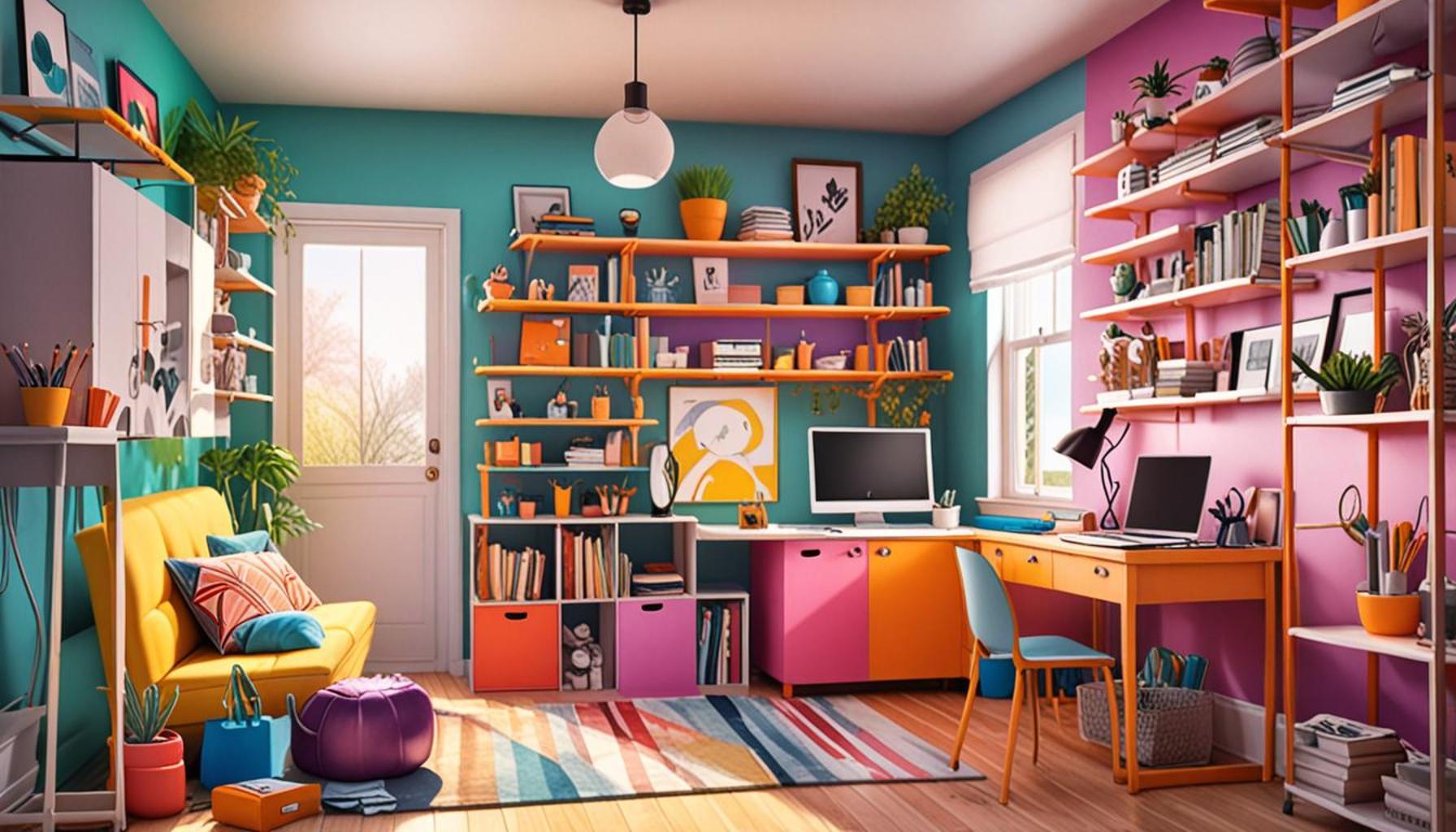
- Designate Areas: Consider creating specific zones tailored for different activities. For instance, a cozy reading nook can encourage a love of books, while a play area with designated spots for toys can facilitate imaginative play without the chaos.
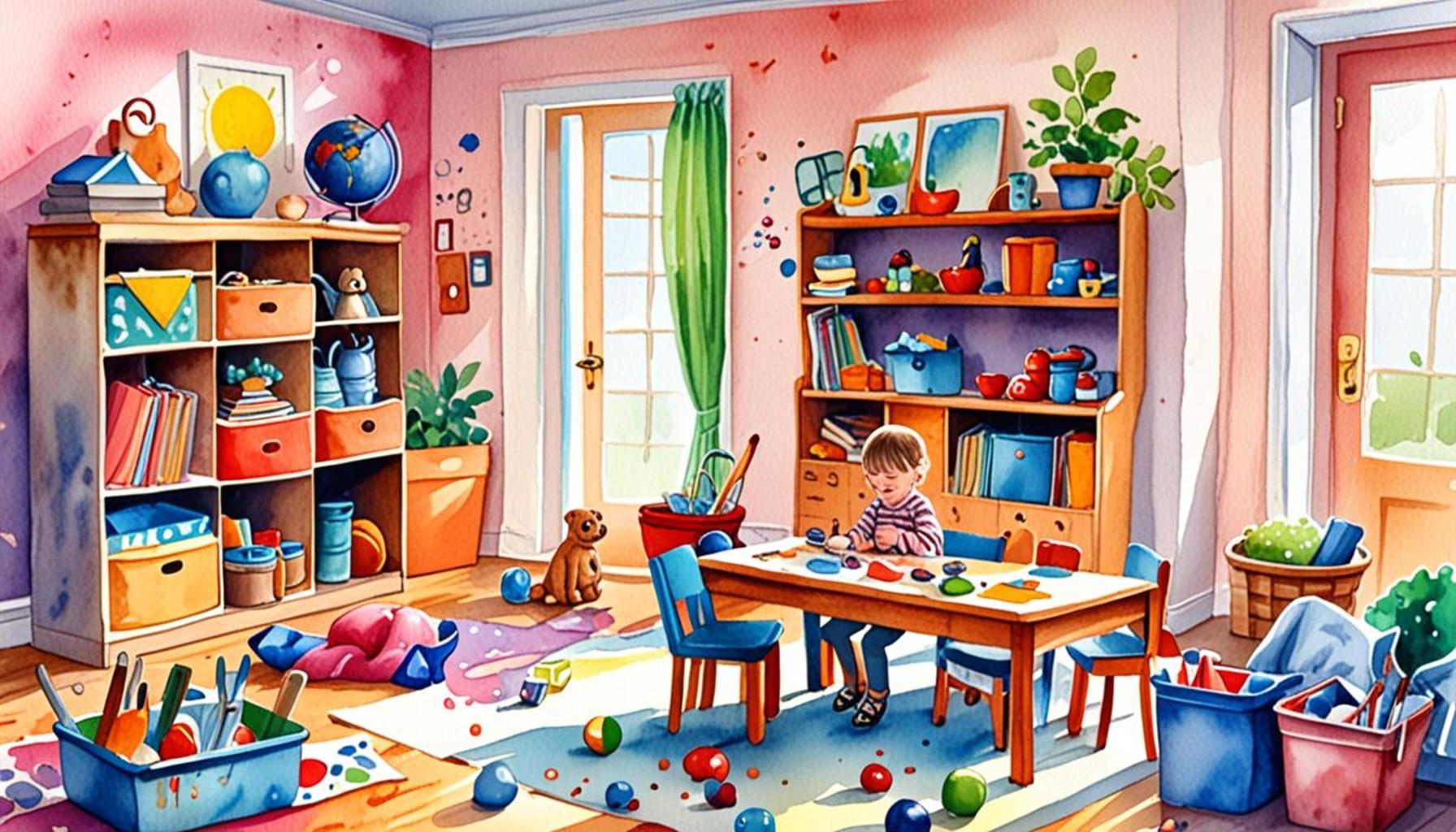
- Use Fun Storage: Incorporate colorful bins, baskets, and boxes, along with playful labels featuring images or words. This not only makes organization appealing but also helps children learn where to put things back after use, making the process intuitive.
- Make it Routine: Establishing regular decluttering sessions, perhaps on weekends, can make the upkeep feel less like a chore. Setting a timer for 10-15 minutes can create a sense of urgency, turning decluttering into a game that encourages teamwork.
Teaching young ones about organization goes beyond mere cleanup; it’s a powerful opportunity to nurture essential life skills and foster a positive home environment. By embracing these strategies, parents can guide their children towards a state of tidiness that enhances their overall well-being. A clutter-free space can lead to a fulfilling life, where creativity flourishes, responsibility is second nature, and emotional tranquility is a given.
DISCOVER MORE: Click here to learn how decluttering can boost your creativity
Making Decluttering a Fun Learning Experience
One of the keys to successfully teaching children about decluttering is to present it as a fun and engaging activity rather than a tedious chore. By transforming the process into a game, parents can cultivate a sense of enthusiasm and ownership in their kids. For instance, incorporating music during cleanup sessions can turn tedious tasks into lively dance parties. Children naturally enjoy mimicry; thus, parents or older siblings can lead by example, showcasing how to sort, organize, and tidy up.
Visualization Techniques
Utilizing visualization techniques can also enhance children’s understanding of organization. This can involve creating visual checklists or charts that outline steps to declutter different spaces in their rooms. Drawing a picture and placing it on the wall can be a vital reminder, turning organizational efforts into a fun art project. For younger children, using stickers to reward completed tasks can provide immediate positive reinforcement, motivating them to continue the practice.
Involving Kids in the Decluttering Process
Parental involvement is instrumental in fostering a positive decluttering culture at home. Encourage kids to participate in discussions about what they want to keep and what can be donated or thrown away. This discussion not only teaches decision-making skills but also instills the value of sharing with others. Implementing a “one in, one out” rule when adding new toys or clothes is effective. It helps children understand that accumulation often leads to clutter, making them aware of quality over quantity.
Decluttering by Categories
- Toys: Start with toys, as they often create the most clutter. Encourage children to sort toys by type, age, or usage. Consider implementing a “toy library” system where they can check out toys for a specified time and then return them to remain fresh and interesting.
- Books: Organize books by genre or read status. Designate a specific shelf for favorites to keep them accessible. This can motivate children to engage with their reading materials more often.
- Art Supplies: Arrange art supplies in clearly labeled containers, allowing children to access materials easily and promoting creativity without the frustration of searching through clutter.
While the goal of decluttering is to create a more organized space, the underlying lesson extends far beyond aesthetics. By adopting a systematic approach to organization, parents can help their children cultivate responsibility, enhance focus, and develop skills that will serve them throughout their lives. When decluttering becomes an enjoyable and consistent part of their routine, children learn to thrive in their spaces, promoting a sense of accomplishment and peace in their everyday lives.
When it comes to fostering positive habits in children, the organization of spaces plays a crucial role. Research indicates that a tidy environment not only enhances focus but also boosts creativity in young minds. Inviting children to participate in decluttering activities encourages them to develop responsibility and ownership over their belongings. Engaging kids in this process allows them to learn about the importance of minimalism and sustainable living from an early age, laying the groundwork for lifelong habits.
Another advantage of an organized space is the boost in self-esteem children experience when they can easily find their toys or books. This increased accessibility nurtures independence as children learn to manage their own spaces. Additionally, a well-structured environment significantly reduces stress, leading to better emotional regulation. By incorporating age-appropriate organizational tools, such as colorful bins and charts, parents can make the decluttering process fun and engaging. This playful method not only attracts interest but also enhances the learning experience.
With the implementation of simple organizing systems, children not only master their tasks but also discover the joy of having an orderly space. By teaching them how to categorize and maintain their belongings, families can cultivate a home atmosphere that encourages collaboration and teamwork. In the spirit of fostering a generational shift towards cleanliness and care for one’s environment, it’s essential to start these practices at a young age. The rewards of these efforts are profound, influencing both the child’s development and the home’s ambiance.
| Advantages of Decluttering | Impact on Development |
|---|---|
| Promotes Responsibility | Kids learn ownership of belongings, fostering a sense of accountability. |
| Enhances Focus and Creativity | An organized space reduces distractions, leading to increased concentration and creative play. |
| Boosts Self-Esteem | Finding items easily enhances independence and confidence in children. |
| Encourages Emotional Regulation | A tidy environment can significantly lessen feelings of anxiety and overwhelm in children. |
Overall, the practice of teaching children about organization and decluttering from an early age not only prepares them for a future of responsibility but also enriches their current lives through enhanced creativity and emotional well-being.
DISCOVER: Click here to dive deeper
Creating Functional Spaces for Play and Learning
To foster a vibrant environment for children’s growth and development, parents must prioritize the organization of spaces. A well-thought-out setup not only minimizes clutter but also enhances children’s creativity and independence. For example, creating specific zones within a room can help children identify where to play, work, and rest. This approach teaches them spatial awareness and encourages them to take ownership of their areas. When children understand how to navigate their spaces, they become more adept at returning items to their designated locations after use.
Designating Zones
Designated zones for different activities can be an effective strategy in organization. For instance, a reading nook can be created by setting up a comfortable chair or bean bag, along with shelves or bins filled with books. Inviting children to help choose decor can further deepen their connection to this area, turning reading into an enticing adventure. Similarly, a craft corner can be established where art supplies are stored in an organized manner, promoting a clutter-free space to bring out their creativity. By explaining the purpose of each zone, kids will begin to understand the importance of keeping areas tidy, leading to a seamless blend of play and study.
Utilizing Storage Solutions
The right storage solutions are critical in the organization of spaces. From colorful bins to wall-mounted shelves, selecting attractive and functional storage options can motivate children to maintain their organization. Make it a family project to customize these storage solutions. For example, use paint or stickers to personalize bins, giving each child their unique touch. This initiative teaches the value of aesthetic appreciation along with functionality. Additionally, labeled containers can further simplify the process, as children learn to categorize items based on type or purpose, reducing stress around locating essentials.
Routine Decluttering Sessions
To instill decluttering habits, consider setting aside specific times each month for routine decluttering sessions. Introducing “Tidying Tuesdays” or “Organized Saturdays” creates anticipation for a purposeful activity willing to address any accumulation of clutter. Scheduling these sessions can reduce resistance, as children recognize decluttering as a normal part of maintaining a pleasant living space. Additionally, these opportunities can provide a dedicated time for children to reflect upon their belongings, making decisions about what to keep, repurpose, or discard.
Education through Community Engagement
Engaging with the community can also enrich children’s understanding of organization and sharing. Initiating drives for toys, clothes, or books contributes to local charities, prompting children to recognize the joy of giving. Participating in these collective movements not only reinforces decluttering concepts but also builds empathy and responsibility. Encourage your child to share their decluttering process with peers and celebrate milestones together, highlighting that they are part of a larger mission to create more organized and harmonious spaces.
Incorporating these elements into daily life can transform the mundane task of decluttering into an empowering and enriching experience for children. With a combination of engaging activities, functional spaces, and community involvement, parents can successfully teach their little ones the significance of organization and the benefits that come with keeping their environments tidy.
DISCOVER MORE: Click here to learn about enhancing your creativity through decluttering
Conclusion: Empowering Children Through Organization
In today’s fast-paced world, the organization of spaces for children has become an integral part of their developmental journey. As parents and caregivers, we have the unique opportunity to empower children by teaching them essential skills of decluttering and organization from an early age. By creating functional spaces that promote both learning and play, we are setting the stage for our children to thrive creatively and independently. This experience is not merely about tidiness; it equips them with lifelong skills that enhance their cognitive abilities and instill a sense of responsibility.
Moreover, the various strategies discussed, from designating activity zones to utilizing engaging storage solutions, reveal that organization can and should be a fun and engaging process. Establishing regular decluttering routines such as “Tidying Tuesdays” transforms an otherwise tedious chore into a tradition, fostering camaraderie and teamwork. Additionally, community engagement through sharing drives reinforces the principles of empathy and consideration for others, providing children with a greater sense of purpose.
As we encourage our little ones to take charge of their environments, we are not only teaching them how to maintain order but also paving the way for them to become effective decision-makers. A clutter-free space translates to a clutter-free mind, opening doors to imagination, learning, and growth. In embracing this journey of organization together, families can uncover the immense benefits of tidiness, cultivating an atmosphere that invites creativity and joy in every corner of the home.