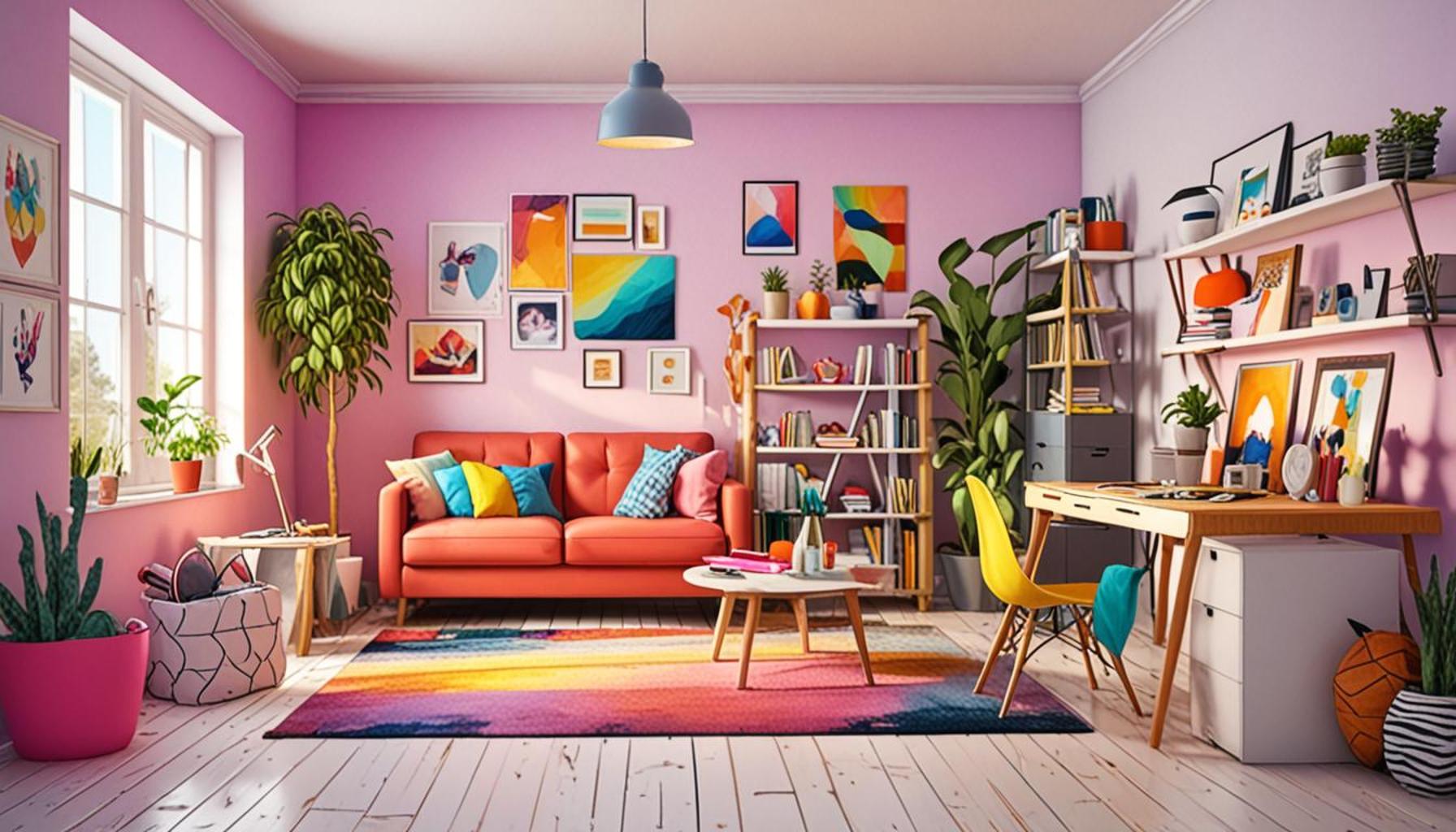
Minimalist Lifestyle: How Decluttering Can Enhance Creativity and Mental Clarity

The Minimalist Shift: A Deep Dive into Lifestyle Transformation
The drive towards a minimalist lifestyle has sparked interest across the United States, resonating with individuals not only as a design aesthetic but as a transformative way of living. Amidst the chaos of modern life—with relentless social media notifications, a barrage of information, and endless to-do lists—more people are discovering the profound benefits of simplifying their physical and mental surroundings. Decluttering has emerged as a crucial process, addressing not just the tangible aspects of our lives, but also fostering mental wellness and emotional clarity.
Transformative Effects of Minimalism
Consider the powerful effects that adopting a minimalist approach can have:
- Enhanced creativity: A clear and organized environment can stimulate original thinking. For example, numerous artists and writers report finding inspiration in spaces that are devoid of excess clutter. With fewer distractions, the mind is free to explore new ideas and concepts.
- Mental clarity: Studies indicate that reducing distractions leads to improved focus and decision-making. When your surroundings are simplified, it becomes easier to concentrate on tasks that truly matter, allowing for more thoughtful and informed choices.
- Increased productivity: Organized spaces pave the way for efficiency and action. Consider how many hours are wasted looking for misplaced items or being distracted by extraneous clutter—minimalism helps mitigate these time drains.
As you navigate the complexities of everyday life, recognizing the close connection between your physical environment and mental state can be empowering. Research reveals that our surroundings significantly affect our mood, productivity levels, and overall mindset. This realization invites us to delve deeper into the principles of minimalism, exploring how a decluttered space not only facilitates enhanced mental clarity, but also invigorates our creativity.
Practical Steps Towards Minimalism
Embarking on a minimalist journey can begin with simple steps. Start by examining rooms in your home one by one. Identify items that no longer serve a purpose or bring joy—these can be donated or recycled. Consider adopting a “one in, one out” rule; for every new item you bring into your space, let go of another. This mindful approach helps maintain balance and prevents the accumulation of unnecessary possessions.
In addition, immersing yourself in inspiring stories from individuals who have transitioned to a minimalist lifestyle can provide motivation and insights. Many renowned figures, from tech entrepreneurs to artists, share their journeys toward embracing simplicity and the impactful changes they experienced along the way. Moreover, numerous resources exist—books, podcasts, and workshops—dedicated to minimalism that encourage individuals to embrace more intentional ways of living.
Join us as we uncover these practical steps, inspiring narratives, and expert insights into embracing a simpler, more intentional way of living. The minimalist path is not merely about the absence of clutter, but rather the richness that an intentional and focused life can offer.
Unlocking the Mind: The Essential Link Between Clutter and Creativity
As we delve deeper into the principles of a minimalist lifestyle, it becomes clear that the act of decluttering transcends mere tidiness; it serves as a pivotal catalyst for enhanced creativity and mental clarity. The connection between a clean environment and our cognitive processes is both profound and well-documented. Aesthetic order not only beautifies our spaces but also significantly influences our mental state.
The neuroscience behind clutter is compelling. Research has shown that our brains can become overwhelmed by excess stimuli. A study from the Princeton University Neuroscience Institute found that clutter reduces our ability to focus, making it challenging to concentrate on creative endeavors. When we clear our spaces, we in effect clear our minds, opening up pathways for innovative thoughts to flow freely.
The Role of Decluttering in Stimulating Creativity
Many artists and innovators attest to the power of minimalism as a spark for creativity. The act of decluttering serves not just as a physical space to create, but a mental space to innovate. Consider these key aspects in which a minimalist lifestyle can lead to greater creative output:
- Less Distraction: A decluttered area inherently minimizes distractions. With fewer visual and tactile stimuli, your brain can shift focus from navigating chaos to nurturing creativity.
- Increased Sense of Control: The act of organizing your belongings can imbue a sense of empowerment. This sense of control can be a critical foundation for creativity, enabling individuals to feel more confident in exploring original ideas.
- Improved Mood and Reduced Stress: Clutter can lead to stress and anxiety, which are detrimental to creative thinking. Research indicates that a harmonious environment fosters positivity, which can directly enhance creative expression.
Furthermore, implementing a minimalist approach doesn’t just affect individual creativity; it can also bolster team dynamics in creative work environments. Companies that adopt minimalism in their office space often report increased collaboration and innovation among their teams. When people are not distracted by their surroundings, they can better engage with each other’s ideas and contributions.
Finding Focus in Simplicity
A minimalist lifestyle encourages a focus on quality over quantity. By choosing to surround oneself with fewer, yet more meaningful items, individuals cultivate a space that reflects their true priorities and passions. This simplification can foster deep connections to the work at hand, whether it’s writing, painting, or problem-solving. By establishing an intentional space, individuals can channel their energy into creating rather than maintaining the status quo.
In the journey towards minimalism, remember that simplicity does not equate to uncreativity; on the contrary, by shedding the unnecessary, we create room for the extraordinary. Embracing this change may be the first step toward realizing the depth of your creative potential while achieving greater mental clarity.
Understanding Minimalism in Daily Life
Embracing a minimalist lifestyle extends beyond simply removing physical clutter; it involves a shift in mindset and lifestyle choices that prioritize simplicity and intentionality. To truly grasp how decluttering can enhance both creativity and mental clarity, one must consider the psychological effects of having less. Research indicates that individuals who engage in a minimalist lifestyle report lower levels of stress and anxiety, attributing it to a less chaotic environment that allows for greater focus on tasks at hand.One of the striking benefits of decluttering is its ability to clear mental space. When your surroundings are tidy and organized, your mind can function more effectively. This clarity not only fosters creativity but also helps in decision-making processes—a crucial requirement in both personal and professional aspects of life. By reducing distractions, individuals find themselves more capable of generating new ideas and solutions.Furthermore, minimalism encourages mindfulness, which is essential for enhancing creativity. By focusing on fewer possessions, one becomes more aware of their thoughts and feelings. This intentionality can spark innovative ideas, as it fosters a deeper connection to one’s passions and interests. It is well known that some of the greatest artistic minds thrived in minimal environments, demonstrating how simplicity can lead to groundbreaking creativity.
The Practical Steps to Achieving Minimalism
Adopting a minimalist lifestyle does not have to be overwhelming. Start by evaluating each area of your life, prioritizing what truly matters. Here are some practical tips to get you started:1. Start Small: Tackle one area at a time. Choose a room or even a single drawer to declutter, keeping only items that serve a purpose or bring you joy.2. Set Clear Goals: Establish what you want to achieve through minimalism, whether it’s reducing stress, enhancing creativity, or simply enjoying a cleaner environment.3. Limit Purchases: Adopt a one-in, one-out policy. For every new item brought into your home, consider donating or discarding an old one.4. Digital Declutter: Don’t forget about your digital life. Remove unnecessary files, organize your folders, and limit distractions from devices to maintain mental clarity.By incrementally applying these strategies, anyone can embody the philosophy of minimalism. As you embark on this journey, you will likely experience an enhanced state of creativity and a significantly clearer mind, allowing you to thrive in various aspects of your life.
Embracing Minimalism: Practical Strategies for Decluttering
Adopting a minimalist lifestyle may feel daunting at first, but the benefits it brings to creativity and mental clarity are well worth the effort. To truly experience these advantages, individuals can incorporate practical strategies into their decluttering journey. Simplifying one’s environment is not only beneficial; it can become an exciting process of self-discovery and empowerment.
Establishing Your Decluttering Goals
A successful decluttering journey begins with clear, actionable goals. Consider crafting a mission statement that captures your intentions, such as “to create a serene workspace that inspires creativity.” This focus will guide your decision-making process and motivate you to stay the course. Setting specific timelines can also help maintain momentum, encouraging you to tackle one room or area at a time.
The 30-Day Minimalism Challenge
One popular method to jumpstart the decluttering process is the 30-Day Minimalism Challenge. The premise is simple: each day, you remove an item from your space, escalating to 30 items on the last day. By gradually increasing the number, you can witness the cumulative effects of decluttering unfold before your eyes. This method reinforces the notion that minimalism is a journey, not just a destination.
Utilizing the Four-Box Method
Another effective strategy is the Four-Box Method, which encourages sorting items into four distinct categories: Keep, Trash, Donate, and Relocate. This systematic approach eliminates overwhelm by providing a structured way to evaluate possessions. As you sift through belongings, ask yourself critical questions: “Does this item hold value?” and “Does it serve a purpose in my life right now?” Items that receive a firm “no” can quickly be removed, freeing mental and physical space for creativity.
Moreover, adopting a strict “one-in, one-out” rule can promote long-term commitment to maintaining a minimalist lifestyle. For every new item you bring into your home, consider eliminating one to keep clutter at bay while ensuring the items you choose to keep are meaningful and purposeful.
Creating a Mindful Space
As you declutter, the emphasis shifts from merely creating a tidy environment to cultivating a mindful space that enhances creativity. Incorporating elements such as natural light, plants, or even a designated inspiration board can significantly influence your mood and mindset. For instance, studies show that exposure to natural elements boosts creativity by up to 50%, encouraging a deeper connection with the creative process.
Additionally, enhancing your environment with aesthetically-pleasing decor that resonates with your personal style can create a sense of ownership and inspiration. This not only eliminates distractions but also fosters a positive atmosphere conducive to creative breakthroughs.
Continuing the Minimalist Mindset
Lastly, the challenge of minimalism extends beyond physical items. Adopting a minimalist mindset involves stripping away mental clutter, which includes the pressures of perfectionism and overcommitment. Engage in practices such as meditation or journaling to promote mental clarity, allowing your creative ideas to surface without interference from societal expectations or internal doubts.
By embracing these strategies, individuals can cultivate an inspiring and intentional space that nurtures creativity and supports a minimalist lifestyle, ultimately unlocking their full potential for innovation.
Conclusion: The Transformative Power of Minimalism
In a world dominated by distractions and overwhelming amounts of information, embracing a minimalist lifestyle through decluttering is not merely a choice—it is a powerful transformation. As we journey towards a simpler existence, the benefits are evident: enhanced creativity and mental clarity become more attainable, paving the way for personal and professional breakthroughs.
By establishing clear goals, participating in challenges like the 30-Day Minimalism Challenge, and utilizing effective methods such as the Four-Box Method, individuals actively engage in a process that fosters self-awareness and empowerment. These strategic steps not only streamline our physical space but also promote a deeper understanding of what truly matters in our lives. Reflection becomes a tool for growth rather than a source of stress, allowing creativity to flourish in a mindful environment.
Moreover, it’s essential to recognize that minimalism extends beyond mere possessions; it influences our mental landscape. By eliminating not just physical clutter but also mental noise, we set the stage for innovation and clear thinking. Mindfulness practices, including meditation and journaling, help us maintain this clarity and connect with our authentic selves.
As we consider adopting or deepening our commitment to minimalism, let us view it as a dynamic journey rather than a final destination. With each intentional step towards simplicity, we arrive at a more serene and inspiring life, rich with creativity, focus, and purpose. As you embark on this transformative path, remember that less truly can be more.