Minimalism and Sustainability: How Space Optimization Contributes to an Eco-Friendly Lifestyle
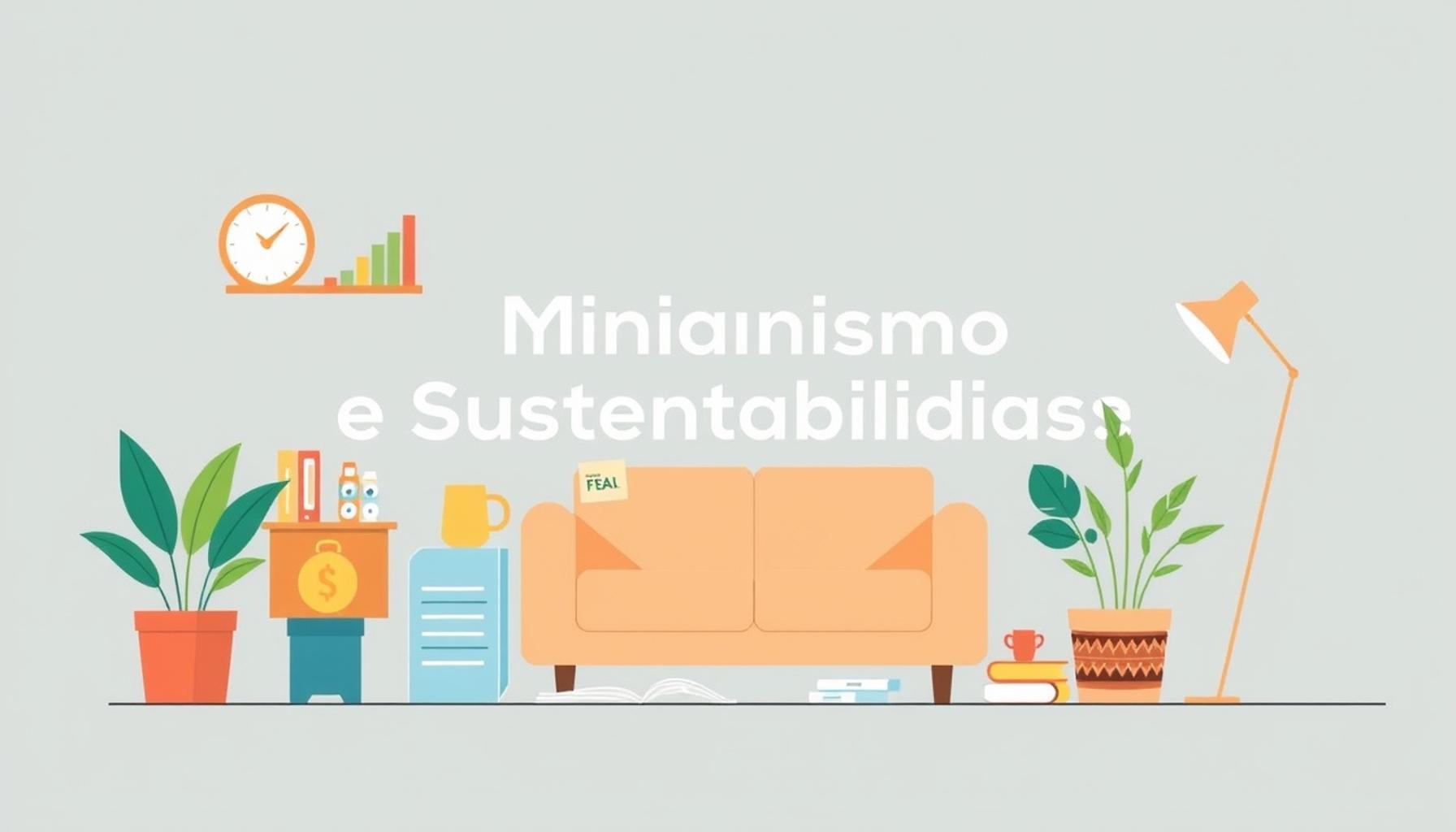
The Intersection of Minimalism and Sustainability
In today’s fast-paced world, the intersection of minimalism and sustainability offers a unique pathway to a more mindful existence. By embracing space optimization, individuals can not only declutter their lives but also contribute to a healthier planet. This dual approach encourages us to thoughtfully consider consumption patterns and prioritize what truly adds value to our lives.
Consider the benefits of adopting a minimalist lifestyle:
- Reduced consumption leads to less waste: By focusing on purchasing only what we need, we naturally create less waste. In fact, the average American generates approximately 4.4 pounds of waste per day, a significant portion of which consists of disposable items.
- Smaller living spaces often require less energy: Compact living solutions, such as tiny homes or apartments, often come with lower energy costs. For example, a tiny house, which averages around 200 square feet, can use up to 80% less energy than a traditional home, leading to both financial and environmental savings.
- Fewer material possessions foster emotional clarity and well-being: Studies have shown that clutter can lead to anxiety and stress. By minimizing distractions, individuals may find improved focus and emotional tranquility, making room for personal growth and well-being.
These practices align perfectly with the principles of sustainability. As more people recognize the threats of climate change and the depletion of natural resources, the need for an eco-friendly approach becomes critical. Each small change can accumulate, leading to substantial impact over time.
Particularly in urban areas, space is at a premium. Thus, optimizing that space can greatly reduce our environmental footprint. The minimalist approach not only helps individuals but also sets a precedent for communities. Here are some practical ways minimalism supports sustainability:
- Prioritizing quality over quantity in purchases: Instead of buying multiple low-quality items, investing in fewer high-quality products can reduce waste and support ethical brands.
- Encouraging a zero-waste lifestyle through thoughtful choices: Adopting practices such as using reusable bags, containers, and personal care items can significantly cut down on waste while promoting sustainable habits.
- Promoting shared community resources instead of individual ownership: Initiatives like tool libraries or community gardens allow neighbors to share resources, reducing the necessity for ownership of infrequently used items.
As we delve deeper into this topic, we will uncover how combining minimalism with sustainable living not only enriches personal experiences but also champions a broader movement for the future of our planet. Exploring these practices can open up discussions on how each of us can play a role in fostering a more sustainable earth while enjoying the benefits of a simplified life. By shifting our mindset and making conscious choices, we stand to create an environment that prioritizes both quality of life and the health of our planet.
DISCOVER MORE: Click here to learn how to optimize your space
Embracing Minimalism for a Sustainable Future
The journey towards an eco-friendly lifestyle does not necessarily require a complete overhaul of one’s living habits. Instead, adopting a minimalist approach fosters a mindset shift—one that prioritizes intentionality over excess. The correlation between minimalism and sustainability lies in the conscious choices individuals make daily. Emphasizing less can lead to profound benefits for both personal well-being and the health of our planet.
To grasp the impact of minimalism on sustainability, we must first consider the concept of space optimization. This practice encourages the thoughtful arrangement of our physical environment, enabling us to maximize utility while minimizing waste. When we optimize our space, we do more than just make our living areas more appealing; we also reduce the consumption of materials and energy required to maintain those spaces.
Here are some compelling ways that embracing minimalism can enhance sustainability:
- Encouraging Multi-Functional Spaces: By designing rooms and areas with multiple purposes, individuals can reduce the need for extraneous furniture and items. A home office that doubles as a guest room not only saves money but also reduces the resources needed for separate spaces.
- Cutting Down on Consumerism: Minimalism challenges the American culture of consumerism, encouraging individuals to buy only what enhances their lives. For instance, rather than accumulating excessive clothing, one can invest in a small wardrobe of timeless pieces that are versatile and durable.
- Creating a Sustainable Mindset: The minimalist lifestyle promotes reflection on what we truly value. This epiphany can lead to a more sustainable mindset, where purchases are made with keen awareness of their environmental impact and resource consumption.
Moreover, minimalism invites individuals to evaluate their relationships with possessions. The clutter that typically fills our homes often symbolizes a deeper issue—a distraction from what truly matters. By releasing unnecessary items, individuals can not only create a tranquil environment but also foster a greater appreciation for the things they choose to keep.
Consider the statistics: the United States alone generates more than 292 million tons of trash each year, with only about 35% of this waste being recycled. The excess often stems from impulsive buying tendencies fueled by marketing. However, when armed with a minimalist mindset, individuals begin making decisions rooted in sustainability. This alignment between consumer behavior and eco-friendliness illustrates how minimalism acts as a catalyst for change.
As we further explore how space optimization embodies the principles of both minimalism and sustainability, it becomes evident that the choices we make can resonate beyond our immediate surroundings. A minimalist lifestyle not only empowers individual growth but also helps carve a path toward community-wide action for a greener planet. In the upcoming sections, we will delve deeper into specific minimalist practices and their profound environmental implications, inviting readers to reflect on their consumption habits and their collective responsibility for a sustainable future.
Incorporating the principles of minimalism into our everyday lives fosters not only a sense of clarity and peace but also contributes significantly to sustainability. By embracing space optimization, individuals can reduce their ecological footprint and enhance their overall quality of life.One key aspect of this relationship is the reduction of consumerism. Minimalism encourages individuals to prioritize experiences and essential items, which leads to a conscious effort to purchase fewer goods. This shift can dramatically decrease waste generation and the demand for resources, as fewer items means less production, packaging, and transportation, all of which have environmental impacts. For instance, opting for multi-functional furniture in small living spaces not only conserves space but also diminishes the need for additional items, promoting a more sustainable approach to home organization.Moreover, minimalism facilitates a more mindful consumption pattern. When people choose to keep only what they truly need and love, they become more attuned to their purchasing habits, leading them to select environmentally friendly products. This conscious decision can create a ripple effect in the market, compelling manufacturers to adopt more sustainable practices to meet the demand of environmentally aware consumers. In alignment with these ideas, space optimization often involves rethinking and redesigning our spaces to maximize their potential without excess. Utilizing vertical storage solutions, decluttering regularly, and choosing quality over quantity are all methods that not only create a better living environment but also support ecological sustainability. As we embrace these changes, we contribute to a greater movement toward an eco-friendly lifestyle, promoting a healthier planet for future generations. Overall, minimalism and sustainability are interconnected paradigms that provide significant benefits by redefining how we interact with our possessions and the environment. Adapting these principles invites a deeper exploration into how small adjustments in our daily lives can lead to substantial environmental improvements.
DIVE DEEPER: Click here for insights on creating calming spaces</
Practical Steps to Incorporate Minimalism in Daily Life
Incorporating minimalism into one’s daily routine can seem daunting, especially in a culture that often equates success with accumulation. However, taking deliberate steps towards space optimization can transform not only living spaces but also values and habits. Here are several actionable strategies that can lead to a more sustainable lifestyle while embracing minimalism:
- Adopt a “One In, One Out” Rule: This principle encourages individuals to donate or recycle one item for every new item they acquire. This practice not only curbs consumerism but also promotes awareness about possession retention. Maintaining a balance helps in recognizing the environmental footprint associated with new purchases, making it easier to resist unnecessary acquisitions.
- Invest in Quality Over Quantity: Prioritizing durable items reduces the frequency of replacements. For instance, purchasing a high-quality backpack may seem more expensive initially, but its longevity minimizes waste and the need for constant replacements. This approach directly aligns with sustainability by lowering the demand for mass-produced goods that contribute to pollution and resource depletion.
- Utilize Digital Alternatives: Transitioning from physical to digital can vastly reduce clutter. For example, e-books, online subscriptions, and cloud storage eliminate the need for physical copies of books, magazines, or documents. This transition not only saves space but also reduces the resources required for paper production and distribution.
- Make Use of Vertical Space: Space optimization goes beyond reducing clutter; it includes smart utilization of space. Installing shelves or hanging organizers can help free up floor space while providing storage for essential items. This permits a cleaner aesthetic and a more functional area, paving the way for an atmosphere conducive to creativity and productivity.
Moreover, the environmental benefits of these practices extend far beyond individual actions. Studies indicate that households which embrace minimalism can drastically reduce their carbon footprints. For instance, according to the Environmental Protection Agency (EPA), a significant portion of U.S. greenhouse gas emissions stems from the manufacturing, transportation, and disposal of goods. By decreasing consumption, minimalists inherently contribute to a reduction in these emissions—ultimately leading to a clearer atmosphere.
Another compelling aspect of minimalism is its capacity to encourage environmentally-friendly practices. The focus on intentional living often leads to adopting more sustainable behaviors, such as composting, using reusable bags, or choosing public transport over personal vehicles. These actions, although small in isolation, create a ripple effect that can influence friends, family, and broader communities to consider their own consumption habits.
Furthermore, communities across the United States are rising to the challenge of promoting minimalist lifestyles. Initiatives such as community swaps, where individuals exchange items rather than purchase new ones, exemplify how shared resource management can reduce waste while strengthening community bonds. A closer-knit community often sees its members become more committed to sustainability efforts, influencing wider actions and policies surrounding environmental preservation.
As we observe the birth of various sustainable movements centering around minimalism, it becomes evident that space optimization is not merely a personal choice but a collective responsibility. Understanding how our lifestyle decisions can reverberate through our communities is essential for fostering long-lasting change. The subsequent discussion will shed light on innovative design concepts supporting minimalist living, further emphasizing how we can make profound shifts toward an eco-friendly future.
DISCOVER MORE: Click here to enhance your space
Conclusion: Embracing Minimalism for a Sustainable Future
As we navigate an era increasingly defined by overconsumption and environmental degradation, the principles of minimalism offer a refreshing perspective that aligns individual choices with the broader mission of sustainability. By focusing on space optimization, we can dramatically reduce our ecological footprint and foster a more mindful relationship with our possessions. The adoption of practices such as the “one in, one out” rule, investing in quality, and utilizing digital alternatives not only minimizes clutter but also embodies a commitment to environmental stewardship.
This intentional approach to living encourages us to rethink our consumption habits and promotes a culture where sustainability is prioritized over excessive accumulation. For instance, studies have shown that households adopting minimalist principles can substantially cut their carbon emissions, as less consumption directly translates to less waste and a lowered demand for resource-intensive production. Moreover, community initiatives like item swaps further illustrate how collective efforts can amplify the benefits of minimalism, fostering strong social connections while simultaneously addressing environmental challenges.
In conclusion, embracing minimalism is not merely about paring down our belongings; it is a transformative lifestyle shift with far-reaching implications for the planet. As individuals and as a society, we have the power to cultivate habits and environments that support sustainability and foster a legacy of ecological responsibility. In exploring further innovative design concepts that complement minimalist living, we pave the way for a sustainable and harmonious future—a place where our living spaces reflect not just our values, but also our commitment to preserving the earth for generations to come.

Beatriz
Beatriz Johnson is a seasoned financial analyst and writer with a passion for simplifying the complexities of economics and finance. With over a decade of experience in the industry, she specializes in topics like personal finance, investment strategies, and global economic trends. Through her work on our website, Beatriz empowers readers to make informed financial decisions and stay ahead in the ever-changing economic landscape.