Creating Functional Zones: How Space Optimization Can Transform Your Minimalist Home Office
Why Space Optimization Matters
In a world where remote working has become commonplace, the importance of a *well-structured home office* cannot be overstated. Space optimization serves as a pivotal factor in enhancing productivity and ensuring a smooth work-life balance. When you think about it, your workspace is not just a desk and a chair; it is an environment that can either hinder or foster your creativity and efficiency.
One of the most compelling advantages of establishing functional zones within your office is the ability to create an atmosphere that minimizes distractions. By segmenting your workspace into distinct areas, you mentally prepare yourself to switch gears when needed. For example, when you sit at your *Work Zone*, you are more likely to stay focused on tasks, while movement to a *Relaxation Zone* signifies a time for a mental break. Such intentionality can significantly mitigate the commonplace interruptions of everyday home life.
The Benefits of Designing Functional Zones
Designing your office with specific zones brings forth numerous benefits that go beyond just aesthetics. Some of these include:
- Increased Focus: Research suggests that designated areas for work can effectively reduce distractions. The physical separation of spaces creates a psychological boundary that helps maintain concentration.
- Enhanced Organization: Specific zones for various tasks encourage better organization. For instance, having a *Creative Zone* stocked with supplies can foster inspiration without cluttering your primary workspace.
- Better Workflow: A thoughtfully designed office allows for streamlined movements between zones, thereby fostering a seamless transition from one task to another—an essential factor for boosting overall productivity.
Essential Zones for Your Home Office
When considering the layout of your home office, there are several fundamental zones that you may want to create:
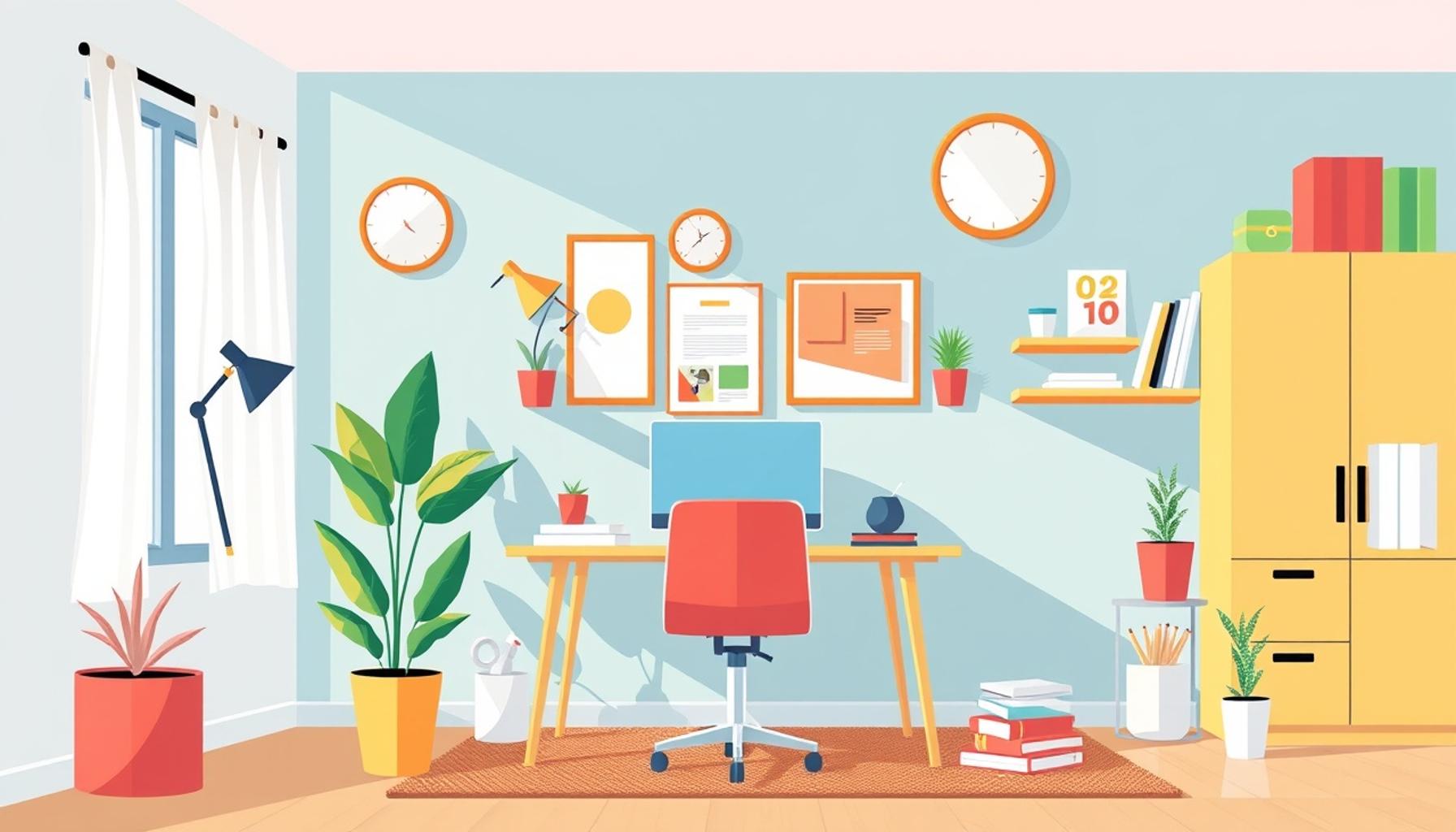
- Work Zone: This is your dedicated space for focused tasks. Ensure it includes a comfortable chair, an ergonomic desk, and minimal distractions to enhance your productivity.
- Relaxation Zone: An area designed for recharging is just as important. Feature comfortable seating, perhaps a soft couch or an armchair, alongside elements that soothe, such as plants or art.
- Creative Zone: This space should encourage brainstorming and idea generation. Stock it with reference materials, whiteboards, sticky notes, and even art supplies to inspire creativity.
As you embark on this transformation, remember that small adjustments can lead to substantial changes. Incorporating these strategies into your workspace will not only create a minimalist aesthetic but also foster a harmonious blend of functionality and tranquility. Embrace the opportunity to reflect on how your workspace influences your productivity. A cohesive layout can lead to better performance and, ultimately, a more fulfilling workday.
DISCOVER MORE: Click here to dive deeper
Understanding the Importance of Functional Zones
Creating functional zones within your home office is not just about dividing a room into sections; it’s a transformative approach that harnesses the principles of space optimization. This methodical design fosters a workspace that not only looks appealing but also promotes a high level of efficiency. By understanding the significance of these zones, you can set up an environment that not only suits your work style but also enhances your overall experience of remote work.
Your home office can be a sanctuary for productivity if structured correctly. To kickstart the transformation, consider how each zone serves a specific purpose. The reality is that different tasks require different mindsets. By crafting zones that cater to various activities, such as dedicated areas for focused work, relaxation, and creativity, you can optimize your workflow and create a balanced atmosphere.
Defining Each Zone’s Purpose
Implementing functional zones effectively means delineating clear purposes for each area in your office space. Here are some essential zones to consider:
- Work Zone: This primary area is crucial for tackling your daily tasks. It should be tailored for focus, featuring an ergonomic desk, adjustable chair, and adequate lighting. Aim for minimal clutter to enhance concentration, as an overstuffed environment can lead to distractions.
- Relaxation Zone: This space is vital for unwinding and ensuring mental well-being. Incorporating soft furnishings, like a cozy armchair or a small sofa, can make this area inviting. Consider adding elements such as dimmed lights or calming artwork to foster a peaceful environment away from work stresses.
- Creative Zone: This dedicated spot can serve as your brainstorming hub. Stock it with materials that inspire, such as colorful sticky notes, whiteboards, or art supplies. A Creative Zone can ignite innovation and help you visualize ideas more clearly, making it an essential part of your home office.
The flexibility of these zones allows for customization based on individual preferences and tasks. You may find that establishing spaces such as a reading nook or a quick-meeting corner can further enhance the office’s functionality. The essence is to create a tailored experience; one that harmonizes your professional responsibilities with your personal style.
In addition to enhancing functionality, it’s important to acknowledge how each zone impacts your mood and productivity. Scientific studies indicate that spatial organization can lead to improved focus and mental clarity, underscoring the value of a thoughtfully designed workspace. When you create distinct zones, you enable your brain to switch tasks more effectively, which can help combat burnout and sustain enthusiasm throughout the workday.
As you embark on this journey of space optimization, remember that the key lies in experimentation. Assess how each zone works for you, and don’t hesitate to make adjustments as you discover what enhances your productivity in this minimalist setting. With time and intention, your home office can evolve into a space that not only meets your professional needs but also enriches your daily life.
| Zone Type | Purpose and Benefits |
|---|---|
| Work Area | Enhances productivity by providing a dedicated space for focused tasks, reducing distractions. |
| Relaxation Zone | Promotes well-being by incorporating elements like plants and comfortable seating, helping to alleviate stress. |
| Collaboration Space | Encourages teamwork by using communal furniture that fosters interaction and idea sharing among remote colleagues. |
Optimizing your home office requires thoughtful consideration of how to create distinct functional zones that align with your work style and needs. Every zone should serve a specific purpose, allowing for seamless transitions between tasks. The Work Area is crucial for productivity; ensuring a clean, organized workspace limits distractions and enhances focus. Incorporating a Relaxation Zone is equally essential. Elements such as greenery and cozy seating can significantly boost morale, creating a retreat during stressful workdays. Furthermore, establishing a Collaboration Space can facilitate communication among team members, enhancing creativity and collaboration, even in a remote setting.By thoughtfully arranging these zones, the aesthetic and functional aspects of your home office are harmonized, resulting in a workspace that is not only visually appealing but also highly efficient. Space optimization elevates the minimalist approach, making homes more than just functional but also conducive to well-being and creativity.
DIVE DEEPER: Click here to discover how digital minimalism can transform your space
Implementing Design Strategies for Zone Efficiency
Once you have defined your functional zones, the next step is to implement design strategies that further enhance their efficiency and aesthetic appeal. Effective space optimization involves not only assigning purposes but also utilizing design elements that promote a seamless workflow. Here are some practical strategies to consider:
- Vertical Space Utilization: In minimalist design, it’s essential to make the most of every inch. Install shelves or cabinets that reach towards the ceiling to keep items organized and accessible without crowding the limited floor space. Using floating shelves in your Work Zone can keep the area tidy while placing decorative or functional items within reach can contribute to the overall aesthetic.
- Color Psychology: Colors can have a profound impact on mood and productivity. For instance, blues can promote calmness in the Relaxation Zone, while bright colors like orange can energize the Creative Zone. It’s wise to utilize paint, decor, or even accent furniture in a way that aligns with each zone’s purpose. This not only provides visual separation but stimulates the desired mindset for different tasks.
- Flexible Furniture Choices: Consider incorporating multifunctional furniture to maximize the use of space. Desks that extend into conference tables or sofas that can transform into beds for quick rests are ideal for versatility in your home office. Foldable or stackable chairs can serve a dual purpose, ensuring that even in a minimalist setup, you can accommodate guests when needed.
- Personalization: Minimalism does not equate to a lack of personality. Infusing personal touches into each zone—such as framed photographs, inspirational quotes, or cherished books—can create a sense of belonging and comfort. Customizing your space enhances creativity and motivation, making it easier to immerse yourself in your work.
Moreover, consider implementing technology that can further optimize your zones. Smart lighting systems, for instance, allow you to adjust brightness based on the task at hand, creating an ideal environment for reading, creating, or focusing. Investing in noise-canceling devices or sound machines in the Relaxation Zone can create a peaceful atmosphere, vital for mental clarity.
Incorporating Movement and Natural Elements
In the world of home offices, movement is often overlooked, yet it plays a critical role in maintaining productivity. Incorporating a standing desk in your Work Zone can encourage physical activity, reducing the fatigue that settles in after hours of sitting. Regularly alternating between sitting and standing can invigorate both body and mind, ultimately enhancing work performance.
Natural elements are equally important. Bringing plants into your workspace not only enhances aesthetics but also helps improve air quality and reduce stress. Consider easy-to-maintain options like succulents or snake plants, which thrive in varying light conditions and contribute to a serene ambiance. Research indicates that exposure to nature can improve concentration and overall well-being, underscoring the value of integrating greenery into your home office setup.
Finally, it’s essential to continually assess and adjust your zones as your work habits evolve. The flexibility you incorporate into your design will allow for adjustments that suit changing workloads or goals, ensuring your minimalist home office remains a productive haven. With a thoughtful approach to implementing these strategies, you will discover newfound efficiency and enjoyment in your workspace.
DISCOVER MORE: Click here to learn about creating inviting social spaces
Conclusion: Embracing the Power of Functional Zones
In conclusion, creating functional zones within your minimalist home office is not merely a design choice; it’s a transformative strategy that can significantly enhance your productivity and well-being. By thoughtfully delineating work areas, relaxation corners, and creative spaces, you can cultivate an environment tailored to the various demands of your daily routine.
The strategies discussed, from vertical space utilization to the integration of natural elements, demonstrate that effective space optimization is achievable even within minimal confines. Utilizing color psychology, flexible furniture, and personalization serves not only to maximize efficiency but also to foster a sense of ownership and creativity within your workspace. As you integrate these elements, remember that the journey towards an optimized home office is ongoing. Periodic assessment and adjustments will ensure your space evolves alongside your professional and personal aspirations.
Moreover, embracing movement and technology enhances the functionality of your zones, creating a dynamic balance between productivity and comfort. As you reflect on the insights shared in this article, consider how your own minimalist home office can be a haven for focused work, rejuvenation, and inspiration. Discovering the right balance between form and function will ultimately lead you to a workspace that not only meets your needs but also enriches your life. Explore, experiment, and enjoy the process of crafting a truly remarkable home office experience that transcends traditional designs.

Beatriz
Beatriz Johnson is a seasoned financial analyst and writer with a passion for simplifying the complexities of economics and finance. With over a decade of experience in the industry, she specializes in topics like personal finance, investment strategies, and global economic trends. Through her work on our website, Beatriz empowers readers to make informed financial decisions and stay ahead in the ever-changing economic landscape.