The Psychological Benefits of Decluttering: How a Minimalist Lifestyle Enhances Mental Health

Understanding the Impact of Decluttering
In today’s fast-paced society, the pressure to accumulate more—more belongings, more commitments, more everything—can be overwhelming. This changing paradigm surrounding material possessions has led many to embrace the idea of minimalism, a lifestyle choice that focuses on simplicity and intentionality. By actively reducing the number of physical items in our lives, individuals often find much more than just additional space; they unearth a myriad of psychological benefits that promote a healthier mindset.
One notable advantage of adopting a minimalist approach is the improved focus that accompanies a decluttered environment. Studies reveal that when our surroundings are free from clutter, we can better concentrate on tasks at hand. For instance, professionals in open-concept offices have reported higher levels of productivity when their desks are organized and devoid of unnecessary distractions, demonstrating how a minimalist workspace can positively influence work output.
Furthermore, the act of decluttering can significantly reduce anxiety. Many individuals associate clutter with an array of unfinished tasks and obligations, which can lead to feelings of being overwhelmed and mentally fatigued. By organizing and eliminating items that no longer serve a purpose, people often experience a newfound sense of calm and clarity. This therapeutic practice not only simplifies their physical space but also ensures they can approach challenges with a level head and purpose.
The journey into minimalism often leads to an enhanced sense of well-being. Many who have embarked on this path report feeling lighter after letting go of excess possessions. The realization that happiness does not stem from material items but rather from meaningful experiences encourages deeper connections with others and greater satisfaction in everyday life. For example, families who prioritize shared experiences, such as traveling or spending quality time together, often find that their bonds strengthen as they move away from focusing on acquiring material goods.
Research underscores the correlation between cluttered living spaces and increased stress levels. The constant visual reminders of chaos can act as psychological burdens, making it difficult to focus and relax. By intentionally curating one’s belongings, individuals can reshape not only their physical environments but also their mental landscapes.
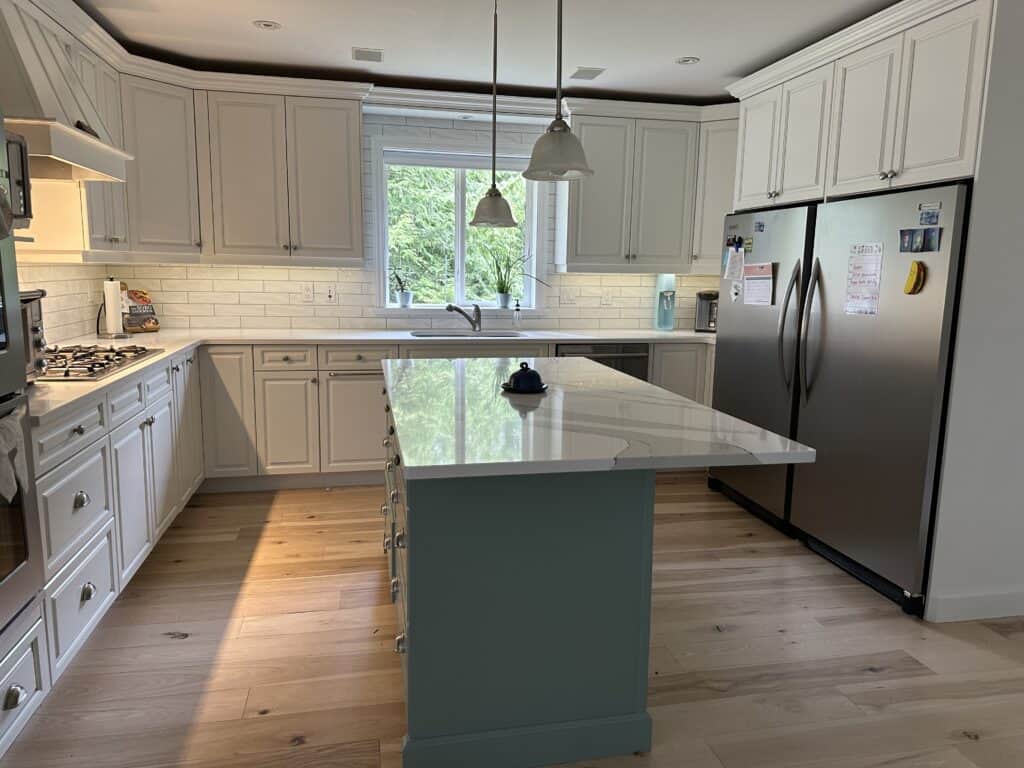
Embracing a minimalist lifestyle involves a deliberate decision-making process regarding what is truly important in life. This conscious choice fosters mindfulness and encourages people to prioritize experiences over possessions, ultimately leading to a more fulfilling existence. As you dive deeper into the opportunities that decluttering presents, you may discover a wealth of techniques and strategies designed to enhance your mental health.
In subsequent sections, we will explore various methods to effectively implement minimalist principles in everyday life. The journey towards mental clarity through minimalism is not only transformative but remarkably rewarding.
DISCOVER MORE: Click here to learn about intentional living practices
Creating Space for Mental Clarity
As we begin to peel back the layers of the minimalist lifestyle, one of the first aspects to consider is how decluttering creates space for mental clarity. The term “mental clarity” refers to the ability to think clearly and make decisions without the interference of distracting thoughts and chaos. A cluttered environment, whether physical or digital, can significantly hinder this clarity. Studies suggest that the average American home contains an astonishing 300,000 items, overwhelming many and leading to decision fatigue. In contrast, minimalism encourages a systematic approach to assess what is essential, allowing individuals to clear away distractions from their lives.
Moreover, decluttering serves as a form of emotional release. For many, material possessions carry emotional weight and memories, making it difficult to part with them. A meticulous decluttering process encourages individuals to confront these emotions, facilitating a sense of closure. Letting go of items associated with negative experiences or phases of life can be liberating, helping individuals break free from the past and usher in fresh beginnings. As noted by psychologists, this act aligns with the concept of emotional regulation, where managing feelings is linked to overall mental health.
Furthermore, embracing a minimalist lifestyle not only enhances mental clarity but also promotes a greater sense of control over one’s life. When individuals take charge of their possessions, they often find that this control extends into other areas, including their time and commitments. Minimalism encourages people to evaluate their priorities and make intentional decisions about how they spend their days. By focusing on what truly matters, individuals cultivate a sense of autonomy and purpose that can significantly boost mental well-being.
- Improved Focus: Less clutter means fewer distractions, allowing for deeper engagement in tasks.
- Reduced Anxiety: An organized space can diminish feelings of being overwhelmed.
- Emotional Release: Letting go of items can provide closure on past experiences.
- Greater Sense of Control: Curating possessions fosters intentionality in life choices.
It’s essential to recognize that the act of decluttering is not merely about the physical removal of items; it is also a transformational journey that fundamentally alters how individuals engage with their surroundings. As people sift through their belongings, they often unearth deeper insights into their values and aspirations. This aligns seamlessly with the tenets of mindfulness, encouraging a greater appreciation for the present moment rather than being bogged down by material excess.
In essence, the psychological benefits of decluttering present a compelling case for minimalism as more than just a trend. As we delve deeper into this journey, we will explore practical steps and techniques that individuals can adopt to embrace a minimalist lifestyle and harness its power for improved mental health.
| Advantage | Description |
|---|---|
| Reduced Anxiety | A minimalist lifestyle helps to eliminate distractions and overwhelming stimuli, resulting in lower stress levels. |
| Increased Focus | With less clutter, individuals can direct their attention to important tasks, thereby enhancing productivity and creativity. |
The removal of physical clutter plays a significant role in enhancing mental clarity and emotional stability. Research suggests that a disorganized environment can trigger feelings of confusion and tension, which may contribute to mental fatigue. By adopting a minimalist approach, individuals often experience a newfound sense of freedom, allowing them to engage more meaningfully with their thoughts and surroundings.Moreover, embracing minimalism can facilitate a deeper connection with one’s priorities, enabling a conscious decision-making process regarding what one values most. This conscious engagement with life promotes a stronger sense of purpose and self-awareness, vital components for mental well-being. Decluttering also encourages healthier habits, as the space becomes conducive to activities like mindfulness practices, meditation, or even simple relaxation. As we explore the psychological benefits of decluttering further, it becomes clear how impactful a minimalist lifestyle can be on enhancing mental health.
DIVE DEEPER: Click here to discover the benefits of minimalism
Fostering Creativity and Productivity
Another significant psychological benefit of decluttering is its ability to foster creativity and productivity. A cluttered workspace can stifle innovation and hinder the ability to think outside the box. Research indicates that individuals working in organized environments tend to focus better and produce higher-quality work. With fewer distractions vying for attention, focusing on tasks becomes simpler, fostering an environment where creativity flourishes. This is particularly crucial in a fast-paced world where the ability to generate fresh ideas can differentiate one from the competition.
Moreover, when individuals engage in decluttering, they create a sanctuary for thought and inspiration. For instance, many creatives report that their best ideas emerge when they eliminate detritus from their surroundings. A minimal workspace can boost motivation, leading to greater task completion. In one study, approximately 80% of participants who reorganized their workspaces felt a notable increase in their productivity levels. This reflects the profound connection between our surroundings and our mental capabilities.
Decluttering also plays a vital role in promoting mental resilience. Embracing a minimalist lifestyle involves making tough decisions about what to keep and what to let go. Each decision strengthens the decision-making skills of an individual, fostering resilience that can be applied outside of the organization of material possessions. This enhancement in adaptability equips individuals to navigate life’s uncertainties with confidence, reinforcing their ability to cope with stress and setbacks.
Improving Relationships Through Minimalism
The journey towards minimalism not only benefits individuals but also profoundly impacts their relationships. As individuals declutter their personal space, they often find themselves with more time and energy to invest in interpersonal relationships. This is particularly significant in our digital age, where multitasking can lead to superficial connections. By shedding excess, individuals can prioritize meaningful interactions, leading to deeper, more fulfilling relationships with friends and family.
Additionally, a decluttered living space can create a more welcoming atmosphere for guests, promoting social interaction. When the focus shifts from maintaining clutter to fostering connections, individuals can experience enhanced social well-being. In fact, studies reveal that people with well-organized and relational living spaces report higher levels of happiness and lower levels of loneliness.
Decluttering as a Mindful Practice
Another noteworthy aspect of decluttering is its alignment with the practice of mindfulness. Engaging in the decluttering process can serve as a form of meditation, allowing individuals to be fully present in the moment. This conscious engagement in sorting through items leads to self-reflection and a better understanding of one’s values. According to research, practicing mindfulness can significantly reduce symptoms of anxiety and depression. Therefore, the act of letting go can combine the physical and mental processes of cleansing oneself from excess.
In summary, the psychological benefits of decluttering extend far beyond mere organization. They embrace enhanced creativity and productivity, improved relationships, and a more mindful existence. As we further explore the ways individuals can implement decluttering practices into their lives, we will uncover practical strategies that can seamlessly integrate minimalism into daily routines, enhancing mental health while promoting clarity and purpose.
DISCOVER MORE: Click here to learn about the benefits of disconnecting
Embracing Minimalism for a Healthier Mind
In conclusion, the psychological benefits of decluttering stretch well beyond the surface, offering profound implications for our mental health and overall well-being. By adopting a minimalist lifestyle, individuals can unlock enhanced creativity and productivity, as a clear and organized environment paves the way for focused thought and innovative ideas. Moreover, as we prioritize meaningful interactions through decluttering, we lay the groundwork for stronger relationships that enrich our lives, combat loneliness, and foster a sense of belonging.
Furthermore, the practice of decluttering serves as a powerful form of mindfulness, encouraging self-reflection and leading to a better understanding of our values. As we engage in this transformative process, we gain valuable decision-making skills that build mental resilience, equipping us to face challenges with confidence. Importantly, minimalism urges us to let go of the excess that no longer serves us, thus creating space not just in our surroundings, but also in our minds for fresh perspectives and personal growth.
As we navigate a world overwhelmed by material distractions, the principles of minimalism offer a roadmap to mental clarity and peace. Embracing these practices can significantly enhance mental health, fostering a lifestyle rooted in intentionality, creativity, and resilience. As you consider the transformative power of decluttering, take the first step toward minimalism, and explore how it can reshape your mental landscape, leading to a healthier, more fulfilling life.